Mordoğan: The Fishing Heart of Karaburun Peninsula
Gulf of İzmir
Dear readers, in this article we wanted to visit Mordoğan, which we can call the fishing center of the Karaburun peninsula.
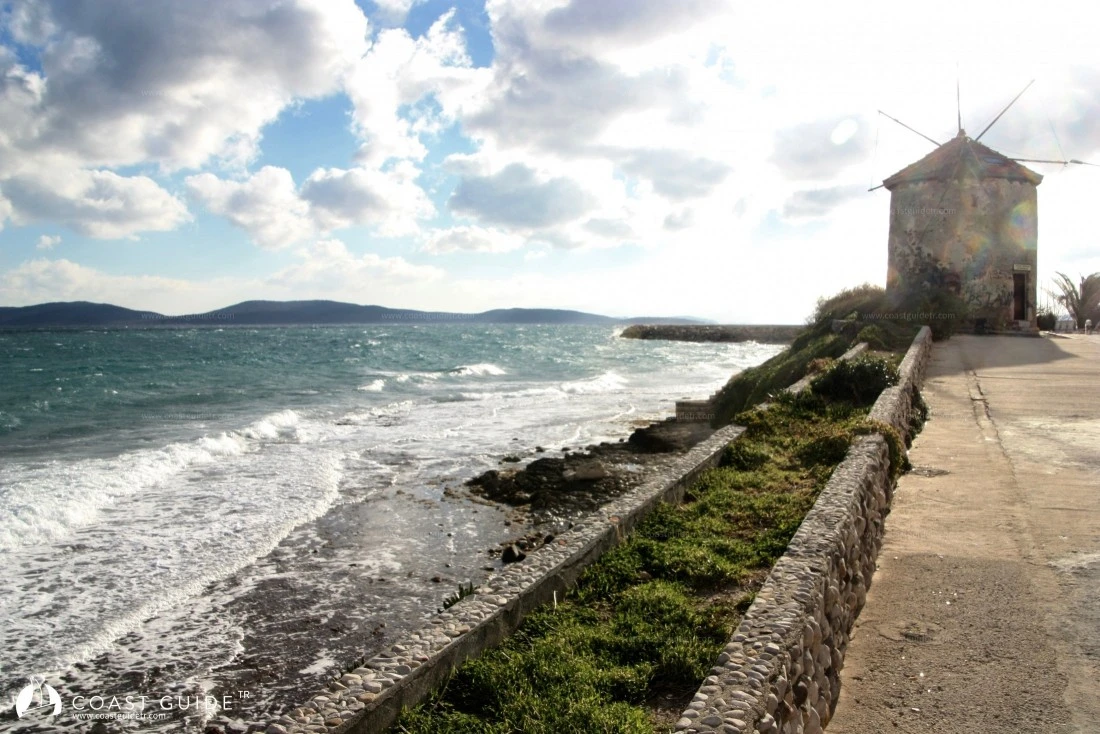
Generally a land of windy, choppy seas. We're heading to this green paradise that many of us hesitate to visit since it's not on the North-South route.
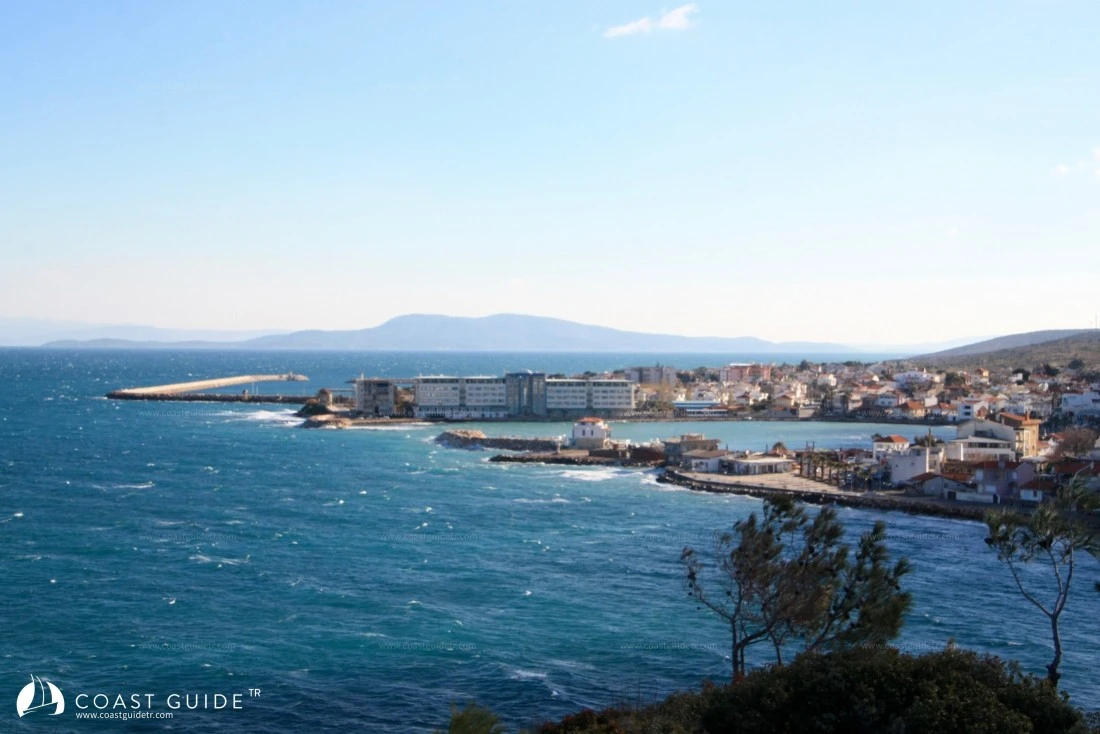
It has a 600-year settlement history. While researching this subject, we met with figures who truly know its history in great detail and express its development most accurately. Since this wasn't the main focus of our article, we covered it sufficiently.
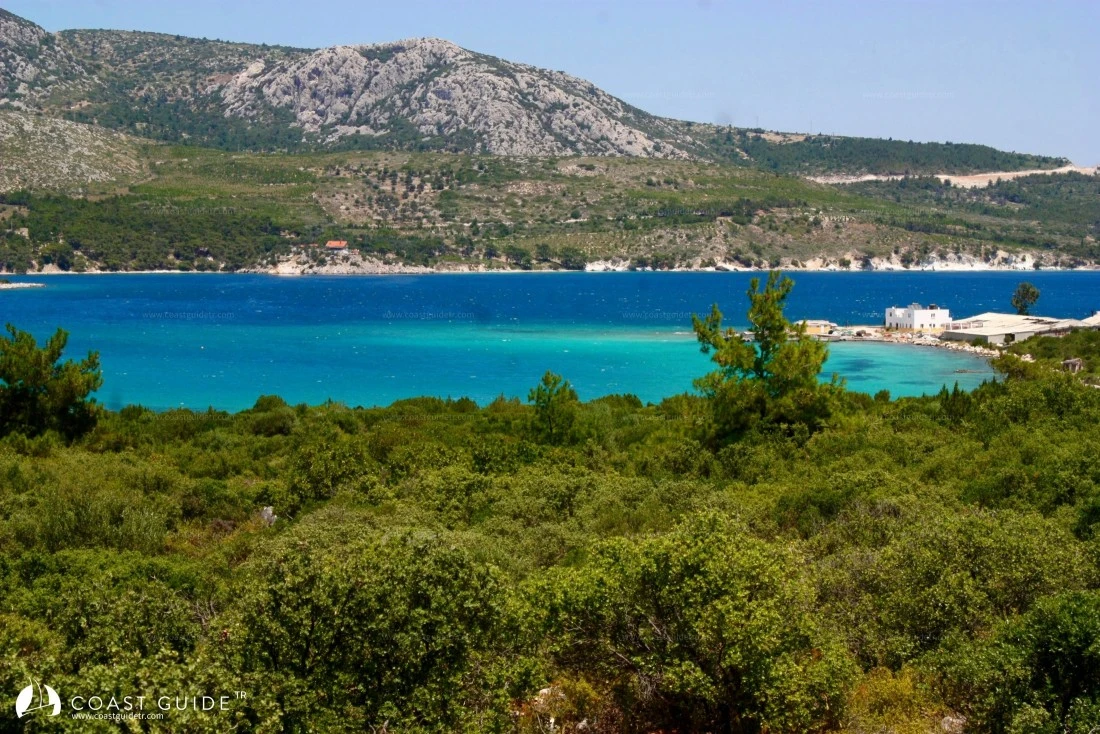
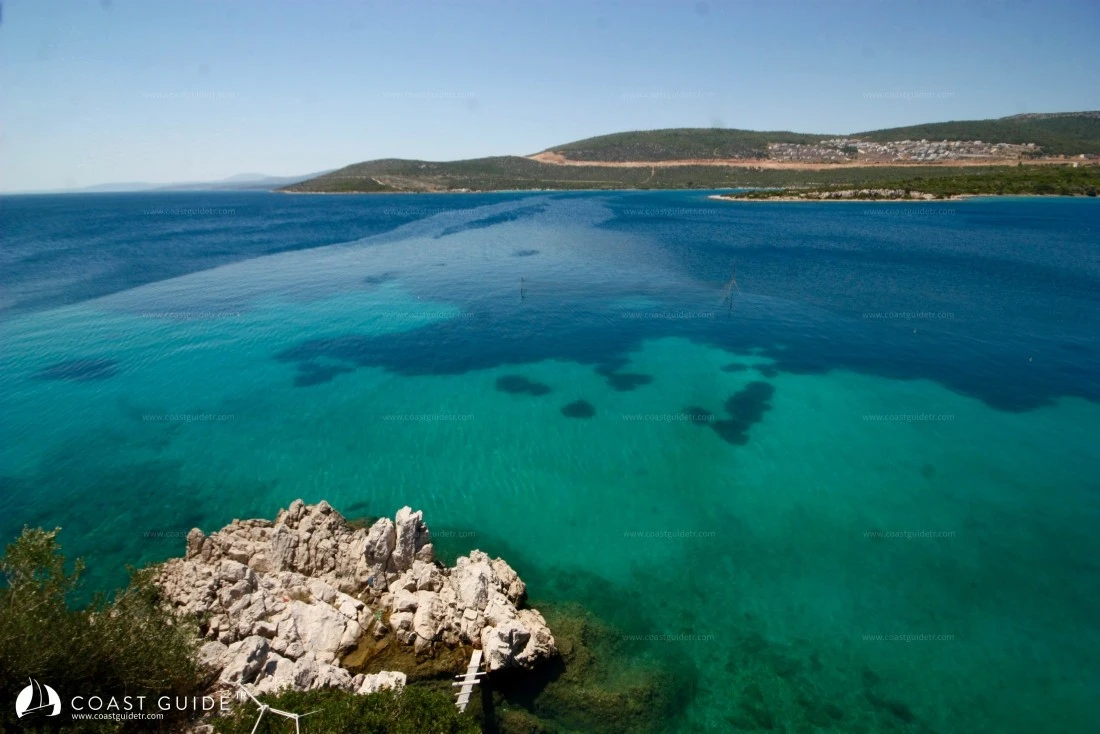
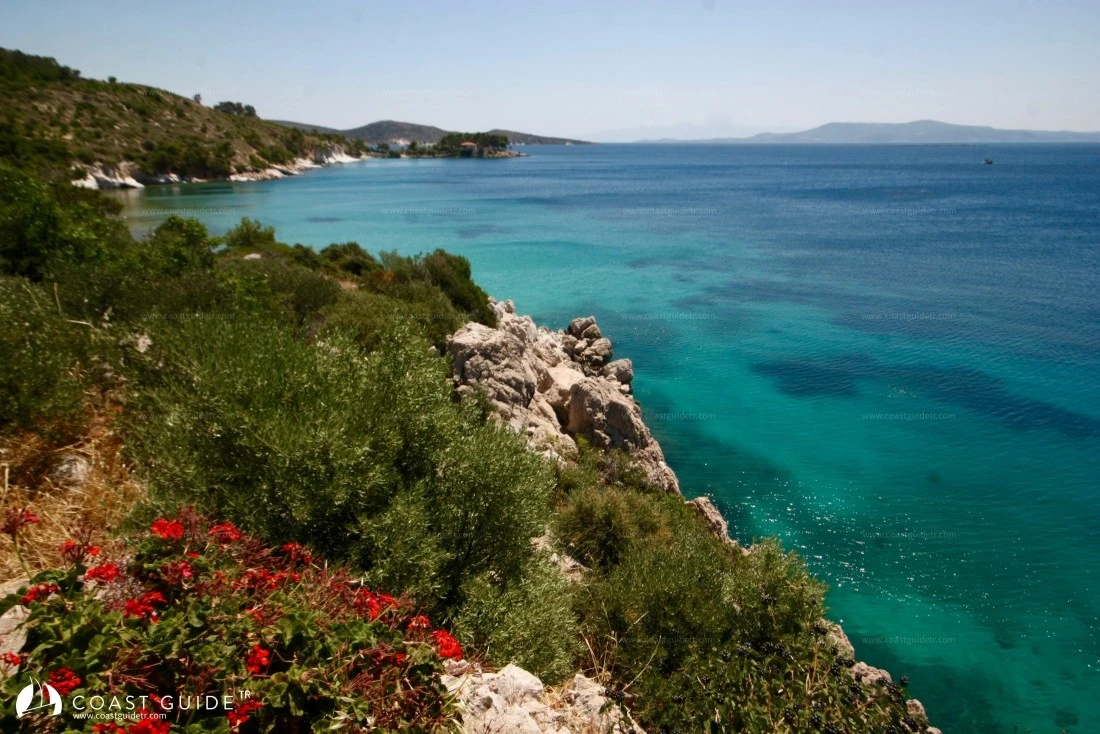
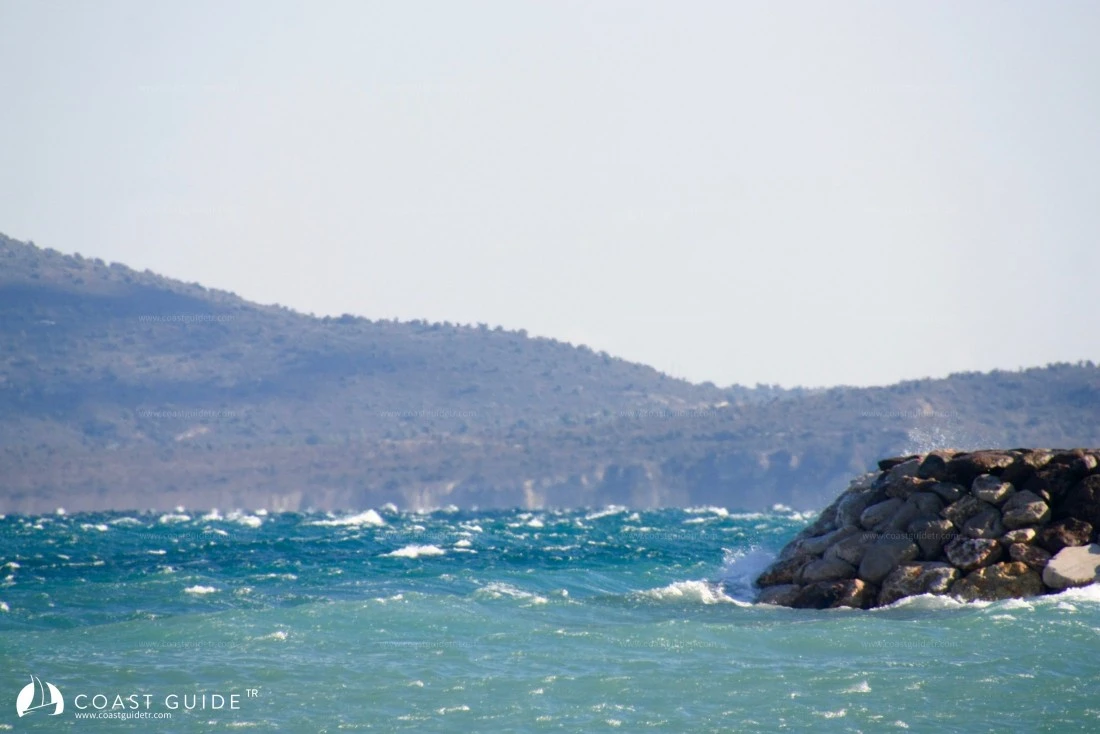
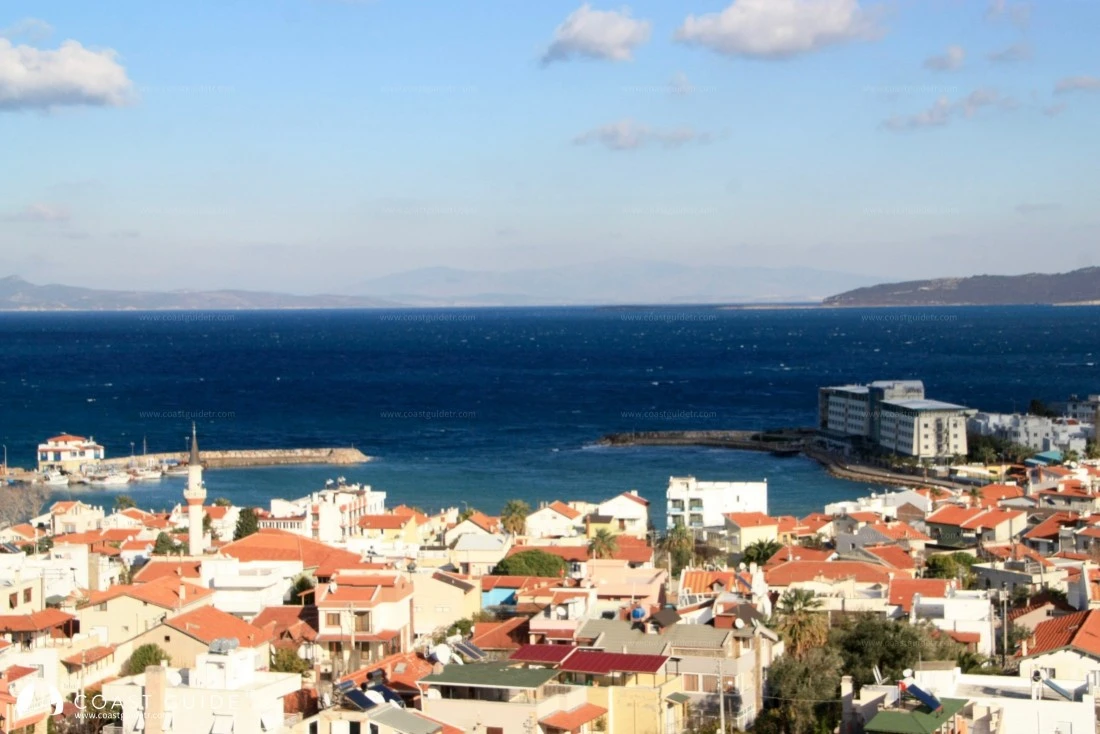
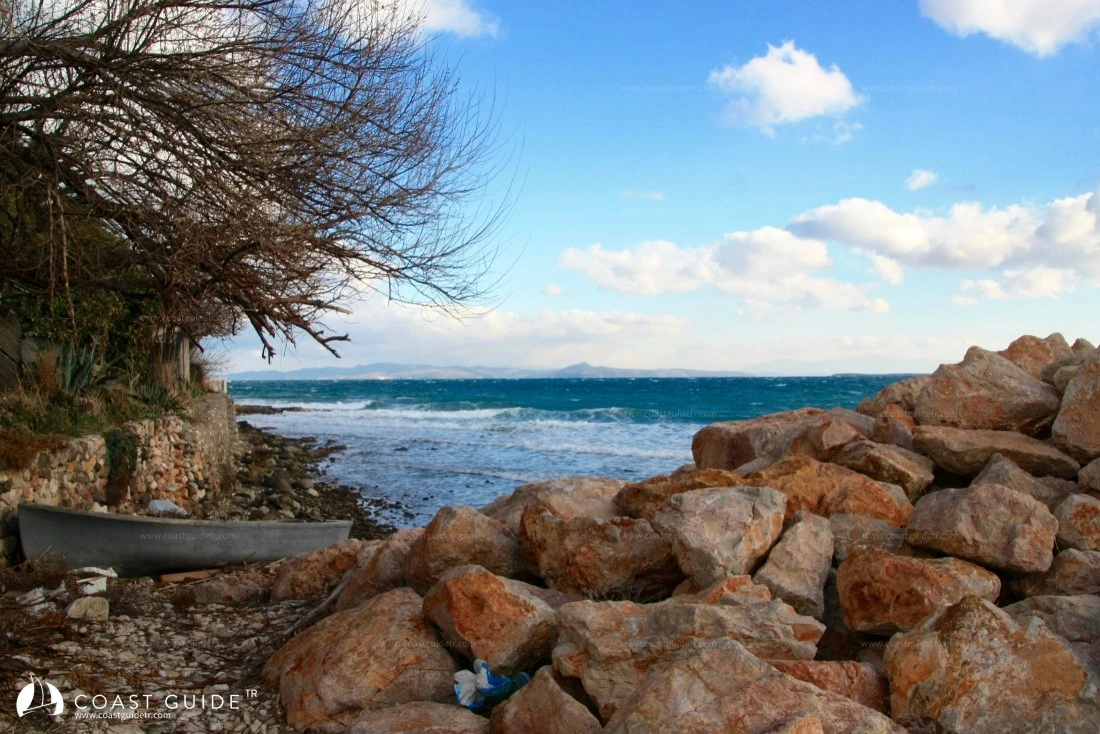
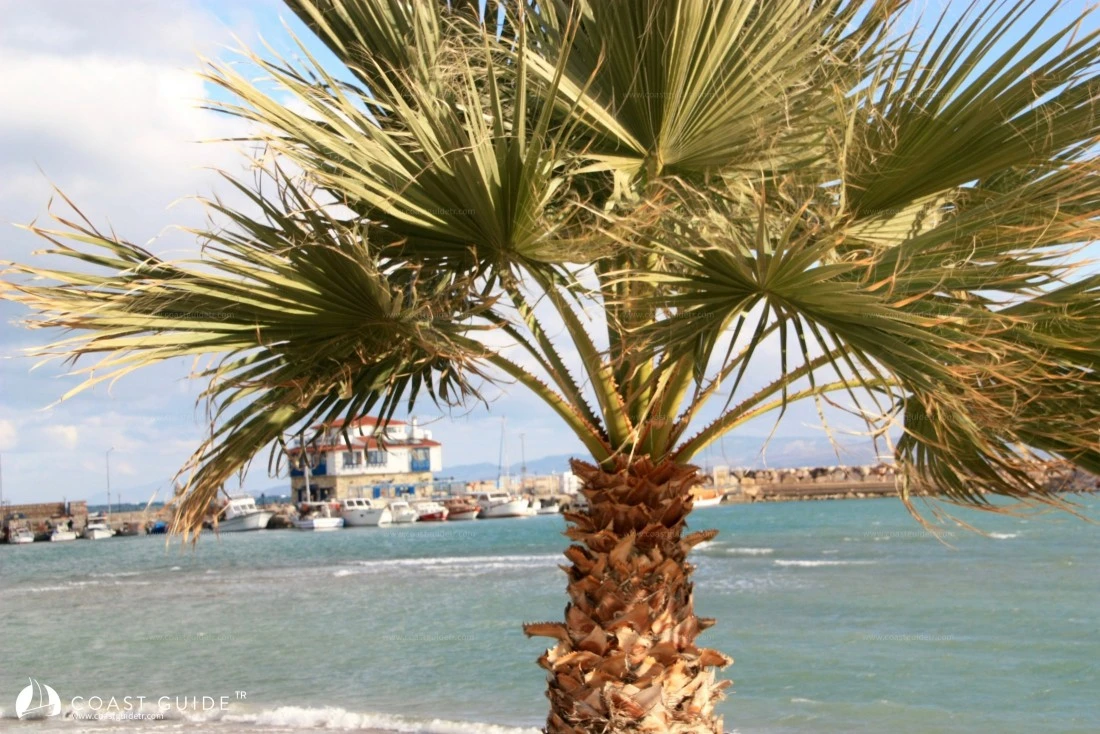
When we approach Mordoğan from the sea, we generally need to make a passage through choppy conditions. It has very beautiful sheltered coves.
Previously used as a fish farm. Now vacated but nature still needs cleaning.
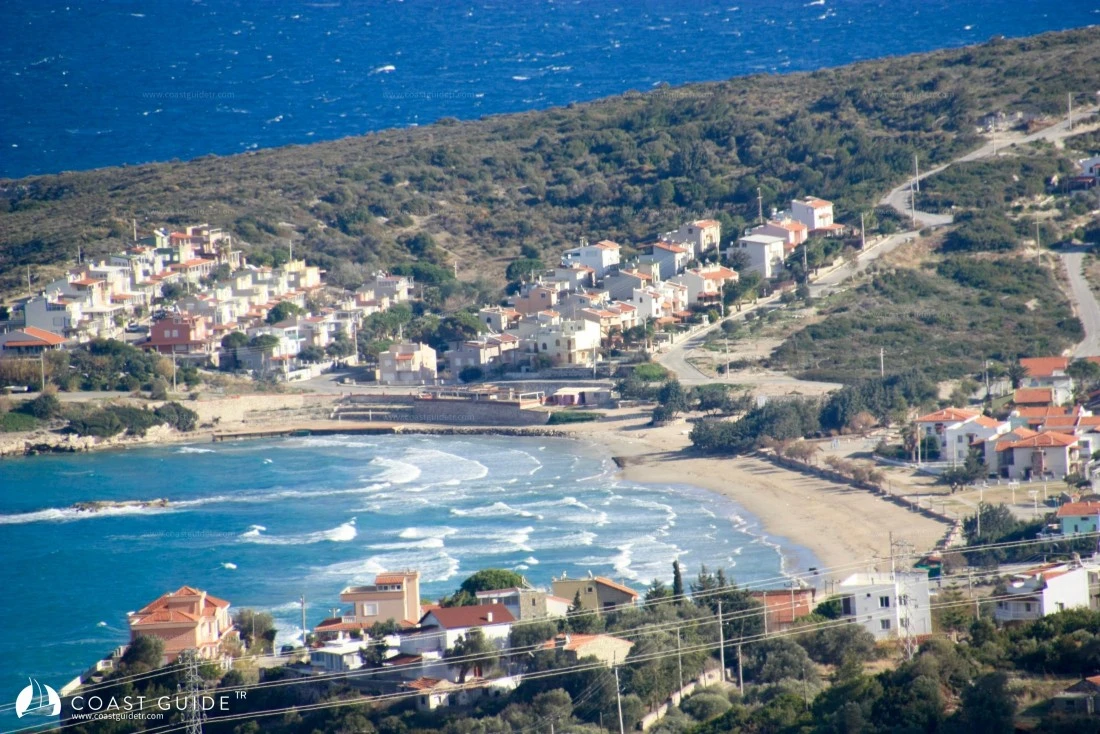
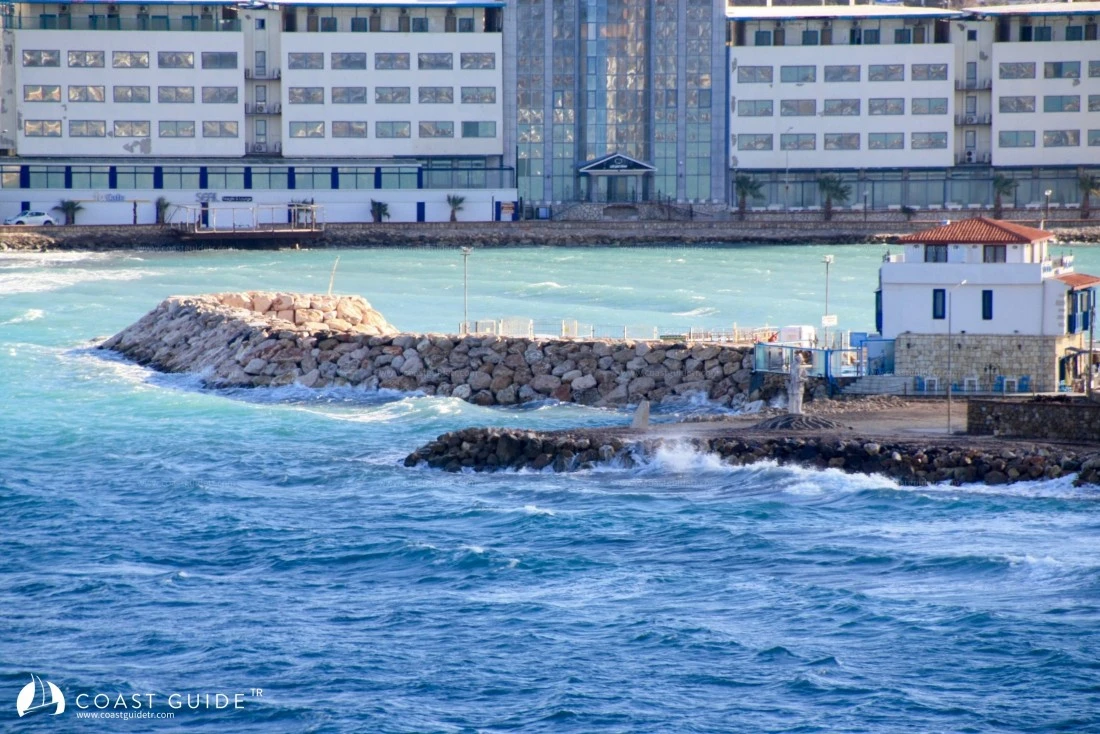
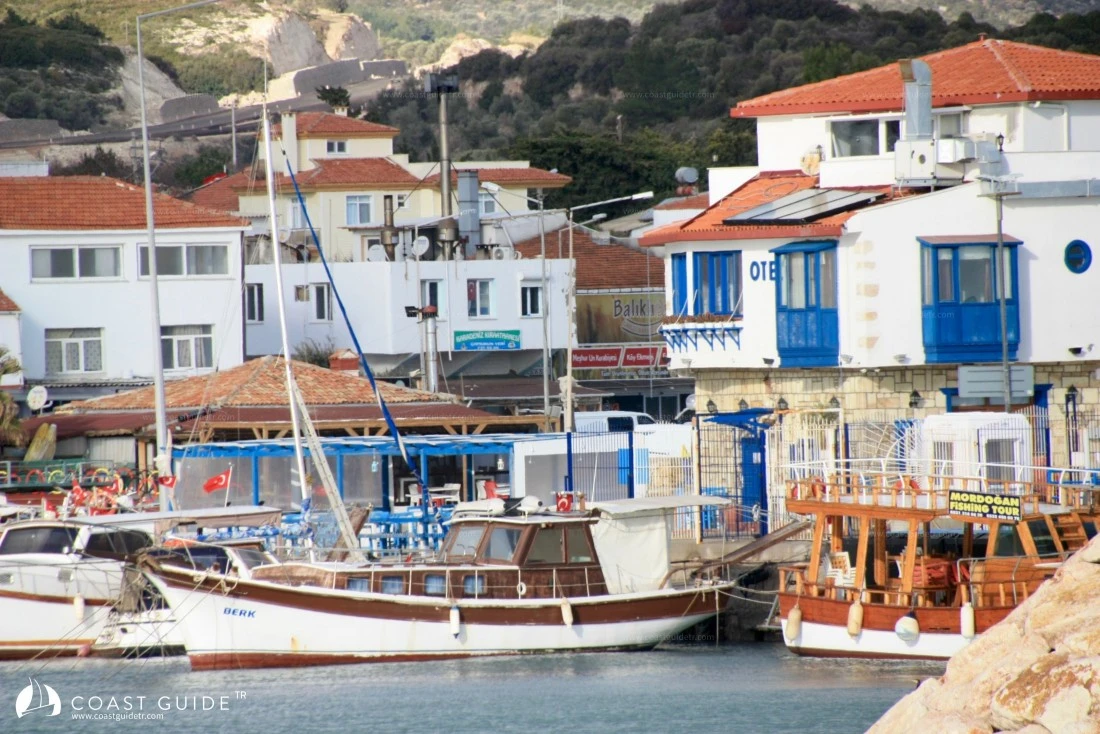
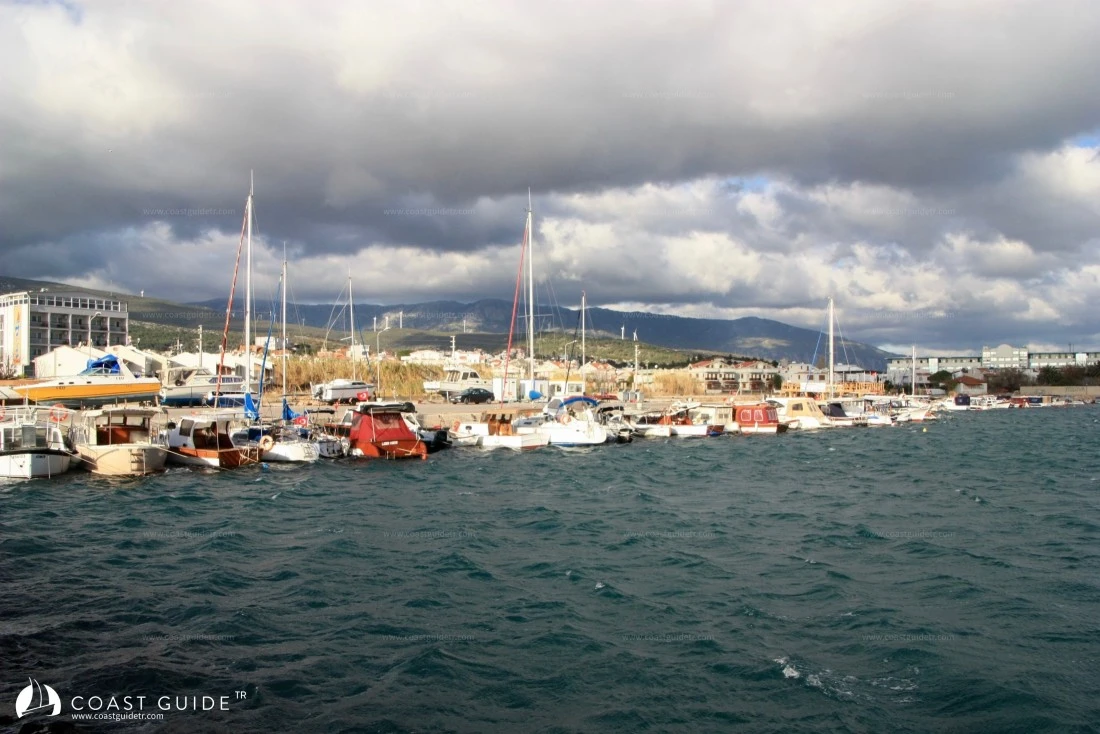
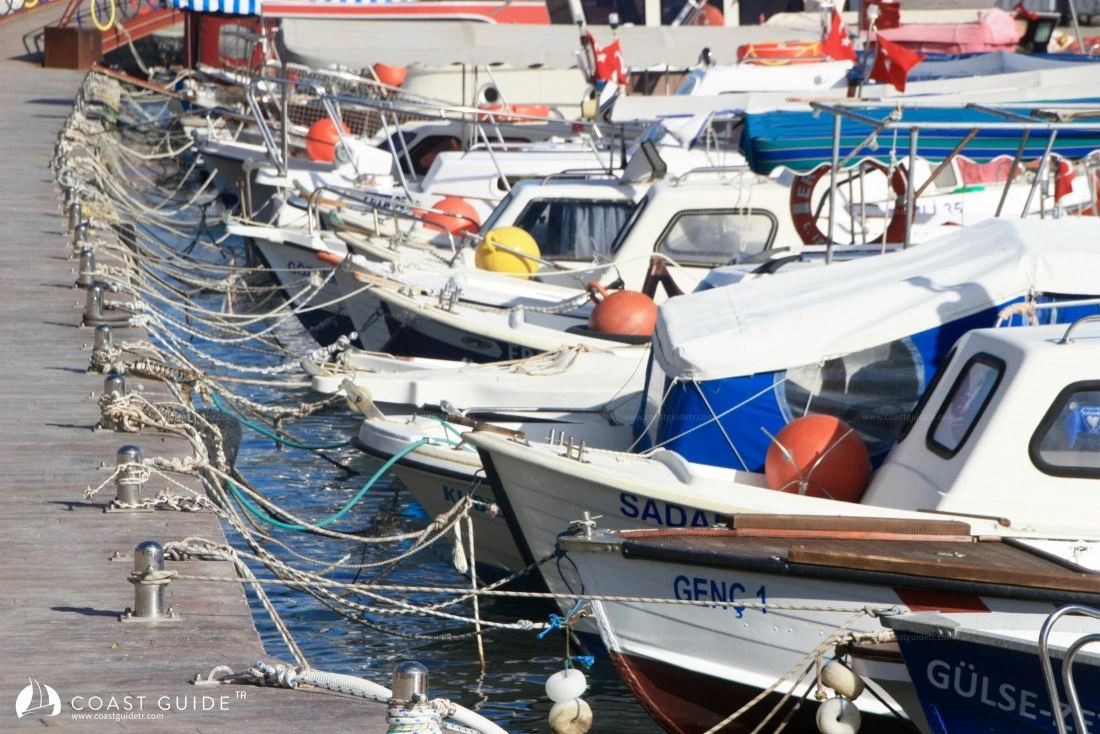
There are 2 harbors in the center, but the old one is both shallow and small. The entrance is narrow and dangerous, with shoals.
If you don't know the harbor well, you definitely shouldn't enter.
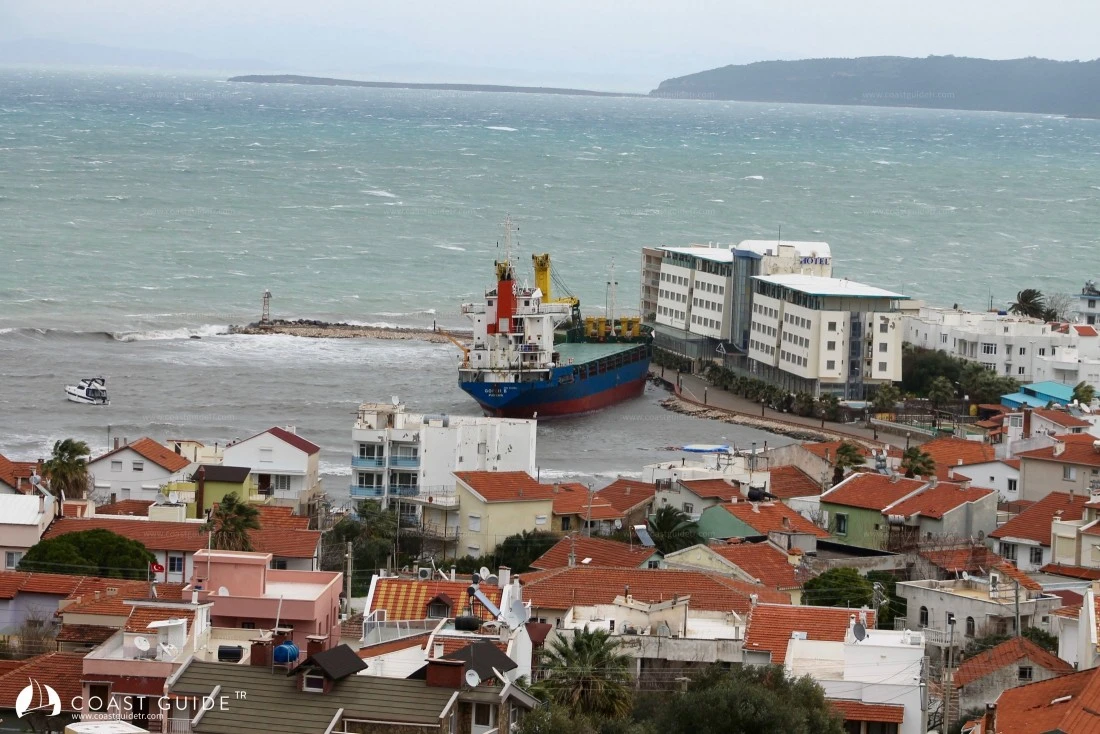
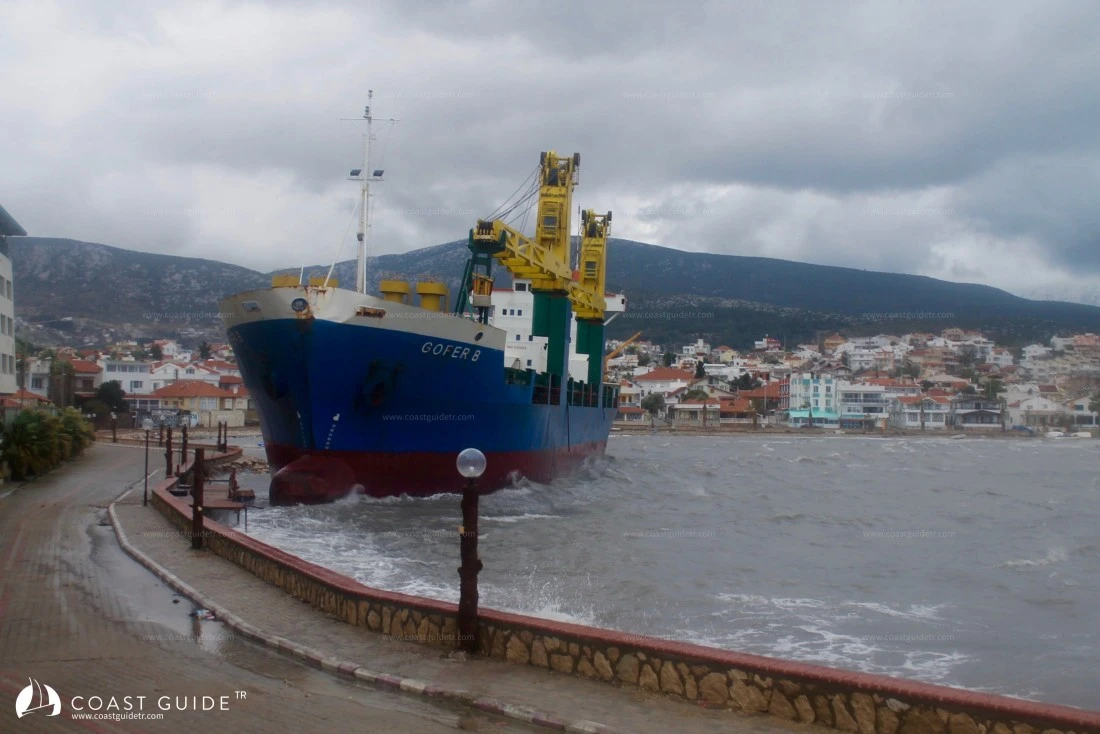
On February 11, 2014, an abandoned 90-meter-long vessel that failed to heed this advice drifted into the harbor.
It ran aground in front of the hotel.
The astonished people of Mordoğan lived with this ship in their harbor for a long time.
The newly constructed harbor, thanks to the efforts of the Fisheries Cooperative, is operating at a capacity far below its potential.
Since the authorities provided sufficient information in the interviews I conducted on this matter, I will not go into detail with my own narrative on the subject.
Unfortunately, many harbors built with all of our taxes are in the same situation. They were constructed as marinas, as fishing harbors, but their owners are not officially clear.
What a shame!
They were just built, expenses were made, that's all.
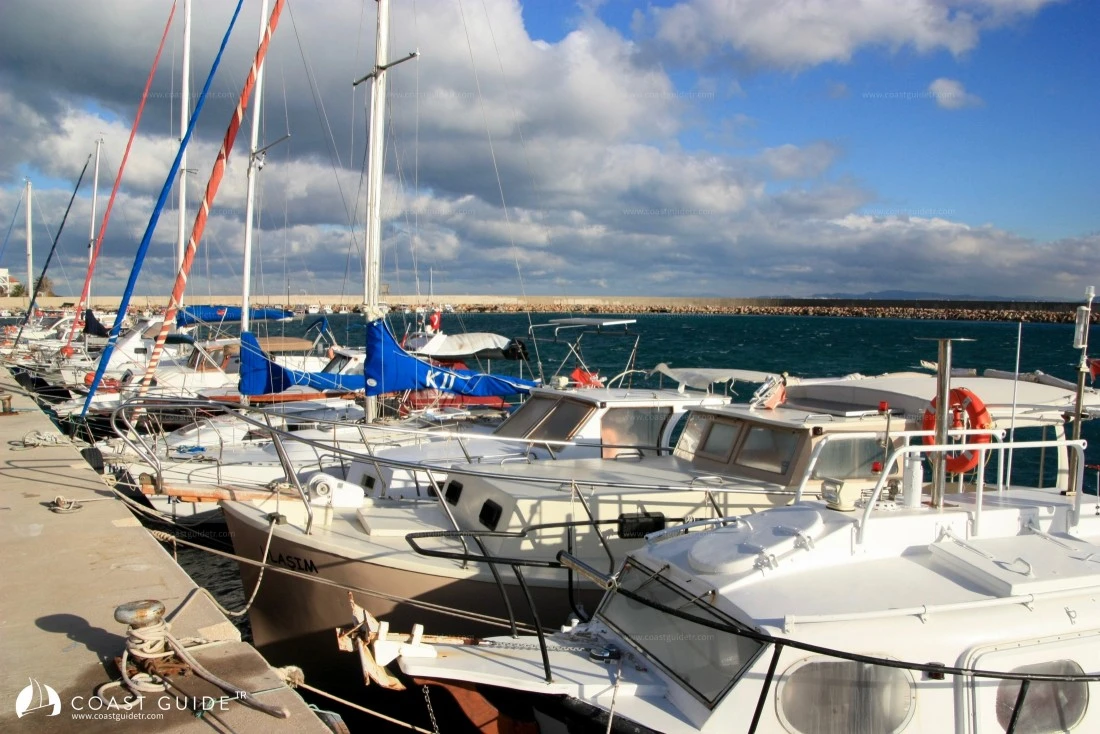
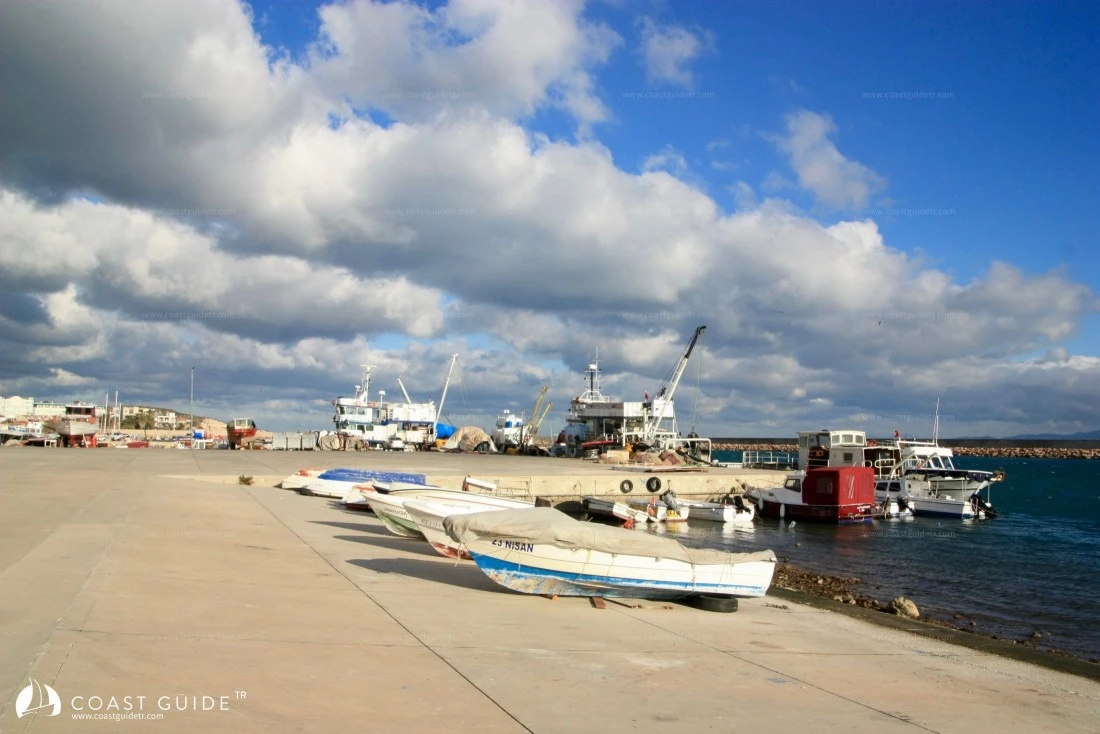
Speaking of the harbor, I wanted to discuss this matter and Mordoğan's sea with the fishermen.
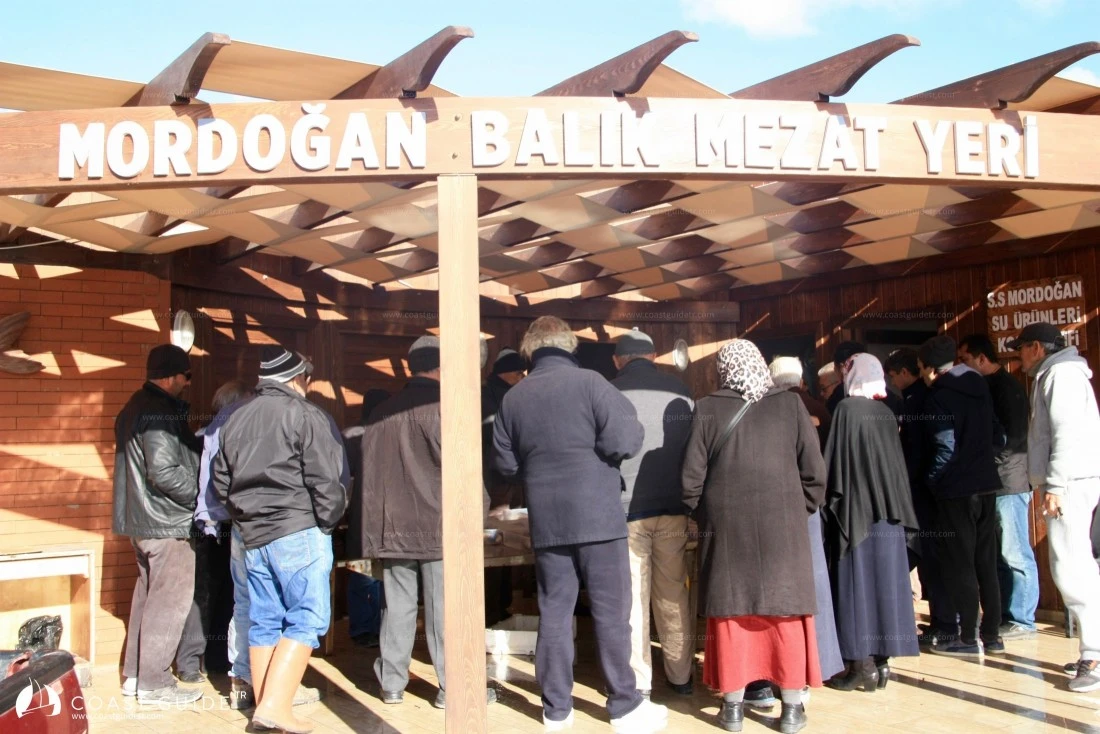
I went to the auction that is held daily at 11:30 AM on the quay.
The weather was freezing cold, the sea was practically raging, the fishermen had gathered around an electric heater, practically inside it.
I also dove into the base of the heater and into the conversation.
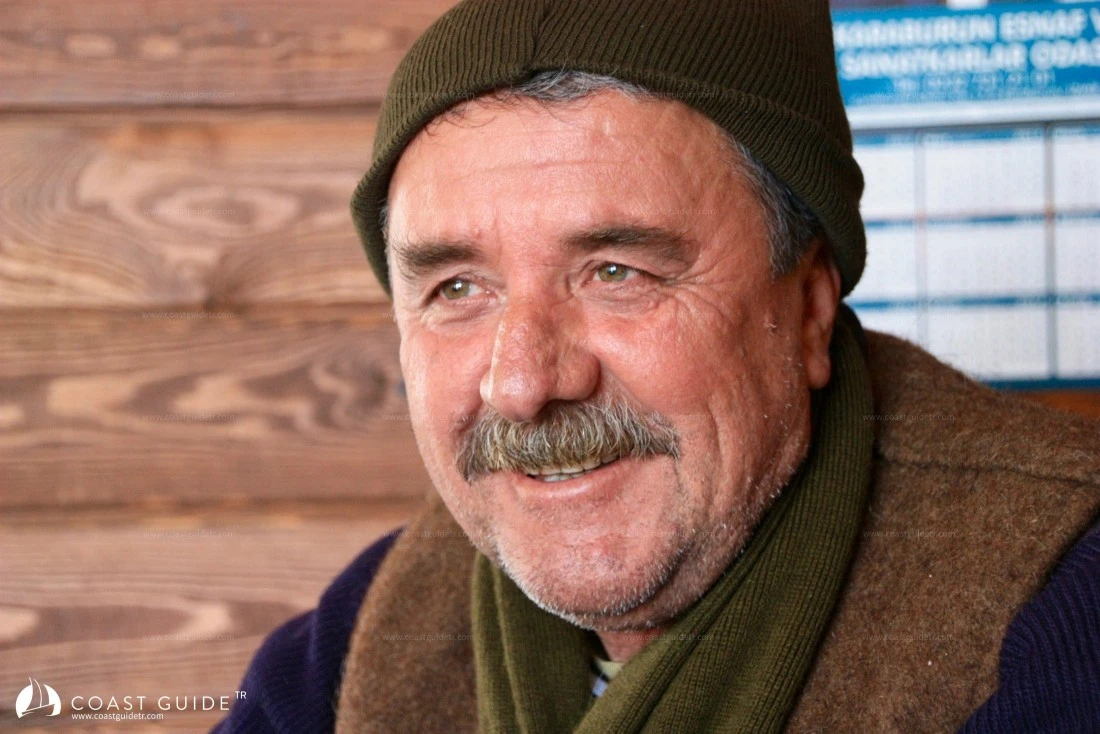
YASEDİN ÇİDEM
Fisherman
"Our shelter covers a large area of 5 dönüm. Currently, it's mainly used as a landing point for purse seiners.
There's a berthing capacity of 400 boats, but only 150 boats can safely moor depending on weather conditions.
Because it was built without wind analysis, there are problems during southwesterly winds. The lack of dredging up to now and the absence of a quay wall makes it difficult for private vessels to berth.
It's not really suitable for private vessels.
Nevertheless, we also provide service to private vessels. Under these conditions, only 25 boats can stay safely.
We've also obtained the license for our slipway and will put it into operation. There are sheltered spots protected from wind in every direction, but they're insufficient.
If we get permission, we want to open an Optimist school here.
Fishing in Mordoğan is seasonal.
Our member count is 55 but our active fisherman count is 23. It's been like this since the old days.
Fishing has decreased due to economic policies. Those who used to do this work are now doing other jobs.
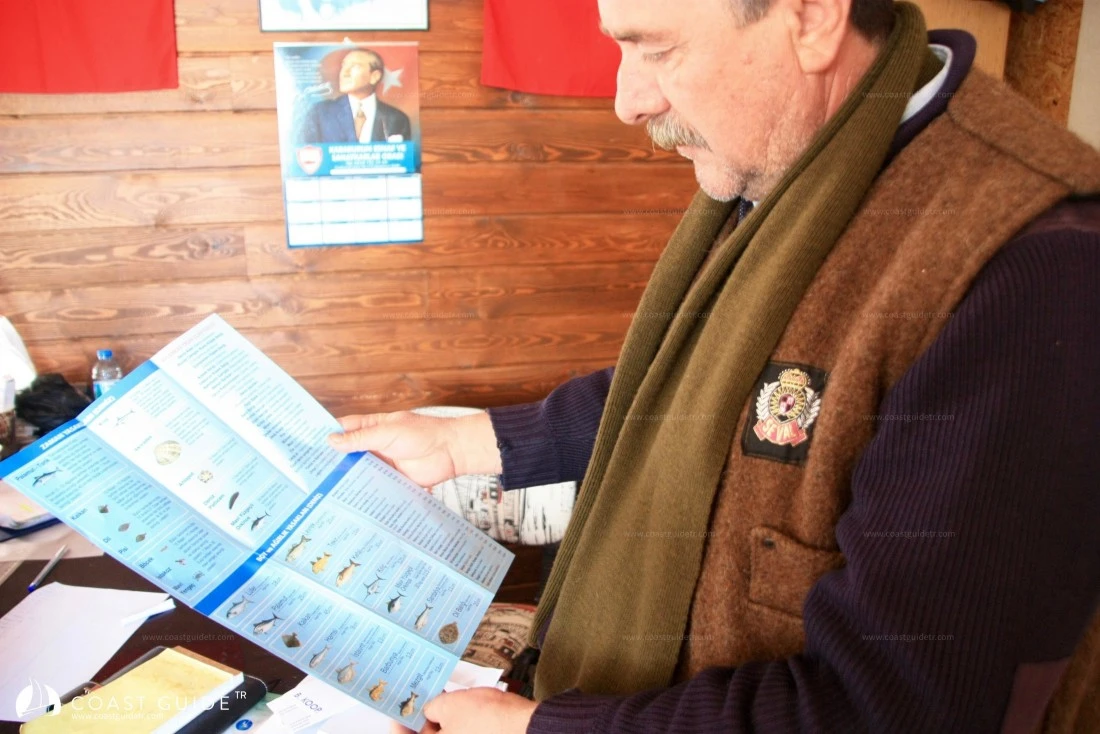
We see through experience that producers are not supported in Turkey.
While 1 Republic Gold could be bought with 3.5 kilos of red mullet in 1968, today 1 Republic Gold can be bought with 26 kilos of red mullet. It's obvious how much the value of the fish we catch has fallen.
A 100-meter red mullet net that cost 3 lira in 1968 is 300 lira today. Lead weights are the same. There's only fuel support, that's all.
p>We opened a path through the auction, established the market, and fishermen are getting their fair price. For this reason, there has been a slight return to fishing again. The state must definitely change its fishing policies.
The sizes of the caught fish are small. When this happens, juvenile fish are especially being caught.
The mesh spacing of the nets also needs to be increased.
Mordoğan's sea is rough, but there are alternative locations where fishing can be done in all weather conditions.
No matter what the weather is, we can fish every day.
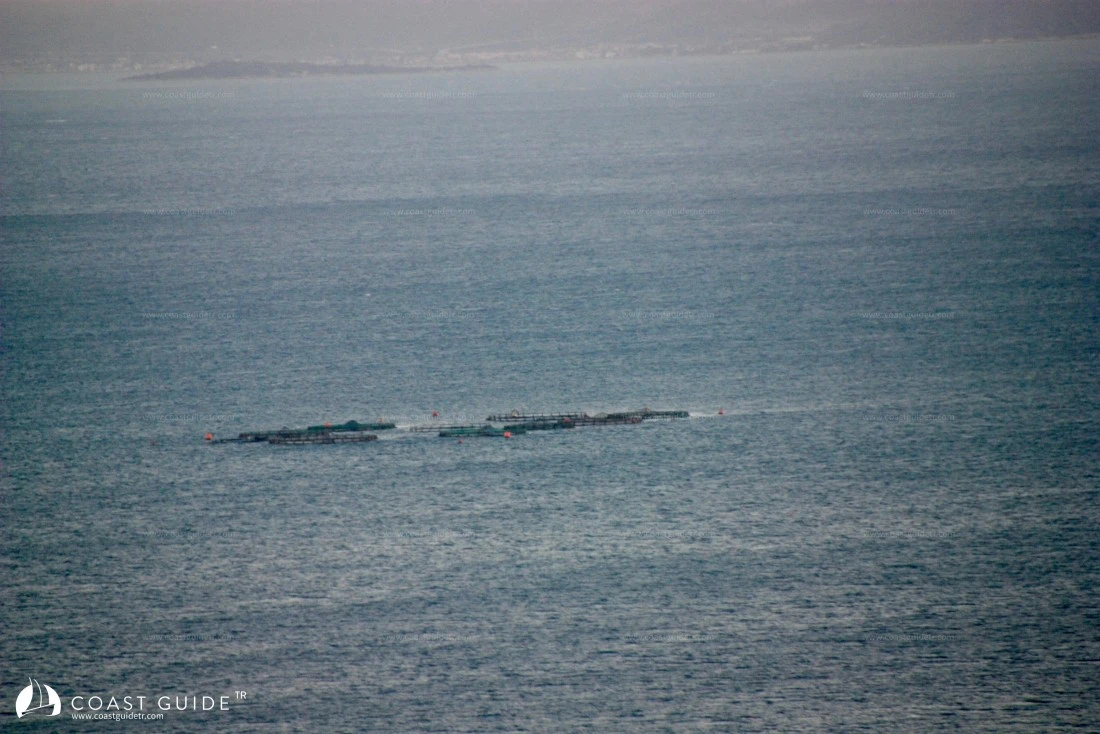
Due to the waste from fish farms in our region and the layer they create on the seabed, it has become rare to find noble pen shells, especially in the pina region.
Noble pen shells, which live half in soil and half in water, are almost on the verge of extinction.
Fish farms have been moved offshore, but there is no current in that area. The pollution remains inside.
However, our region has the richest Posidonia meadows. Their main feature is that they are the lungs of the sea. Fish living in these plant areas are tasty and resilient. They spoil late after being caught.
For this reason, our fish are extremely delicious compared to other regions."
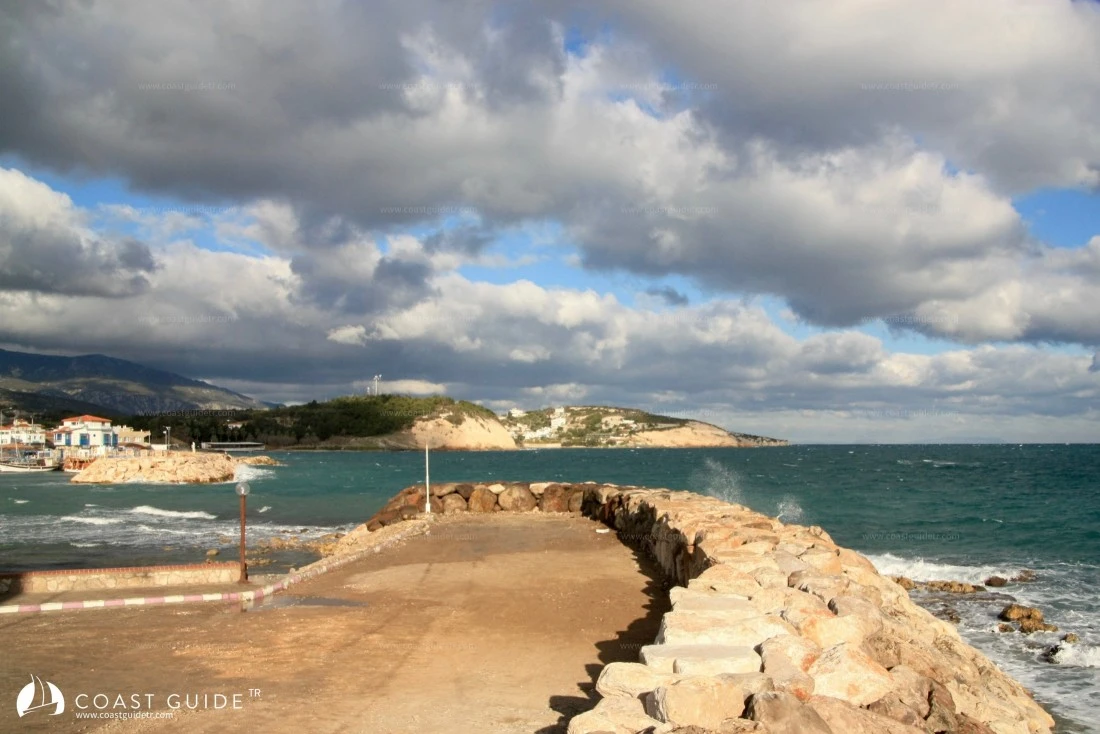
Since it's auction time for the fishermen, we're heading outside with them. There are few fish today, the weather has affected it. Still, a certain crowd comes and consumes the fish at the stall.
Following the fishermen, I meet with Cem Liman, who works as the head of registry office at Karaburun Municipality. Cem is from a local family and has been involved with the sea, especially fishing, since the day he was born.
I want to continue exploring Mordoğan's sea, history, and different values with him.
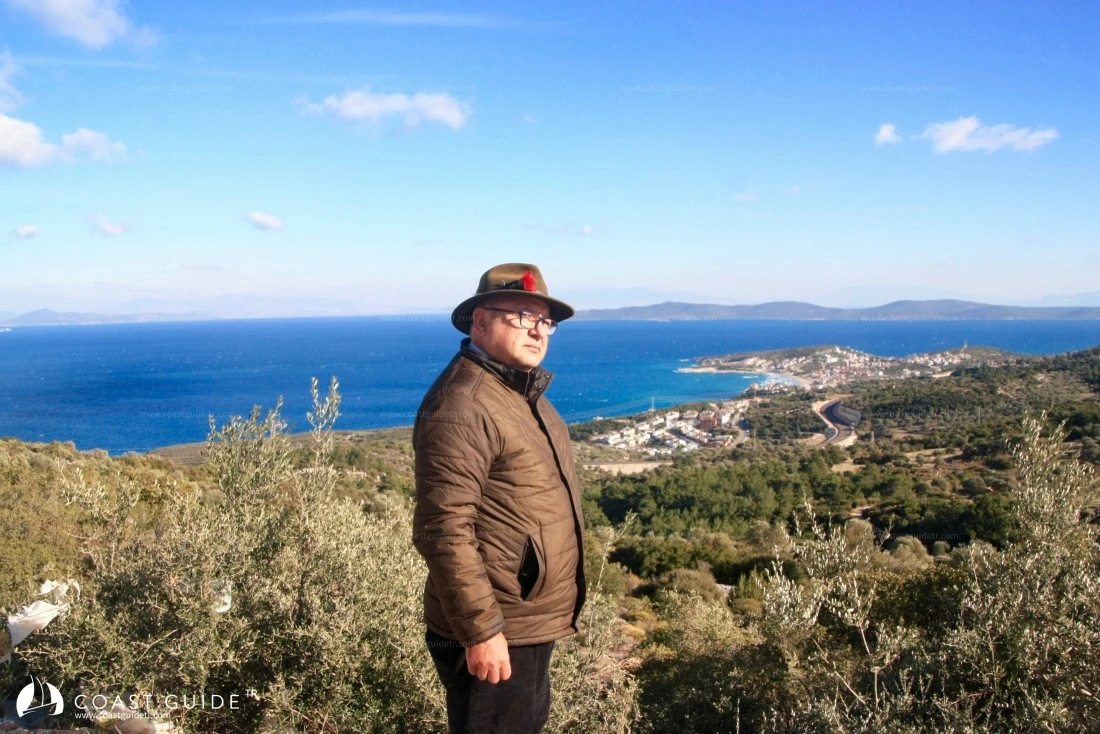
CEM LİMAN
"My father was a teacher and from Mordoğan. I grew up in İzmir, and I've been living here for 26 years. I can say I've been a fisherman since birth.
Through my website www.kalamaravcisi.com, I try to help amateur anglers and beginners. Mordoğan is a productive area for fishing. I used to go fishing with my small boat. My boat was moored at the small harbor.
On February 11, 2014, an abandoned ship 90 meters long was swept by waves into the small harbor area.
It remained here for a long time. It was dangerous in terms of appearance and safety. One day, very large waves entered the harbor. The large waves reflected from this grounded ship to the opposite quay threw the boats moored there onto the quay. My boat was among those that were thrown onto the quay and wrecked. It remained as a bad memory; anyway, the ship was later removed from here.
I had my boat repaired and I'm back at sea again.
Mordoğan is a very beautiful place and it's developing. But as it develops, it regresses. We've come to miss the old days with longing. As it gets crowded, it deteriorates.
In the past, young people were in the majority. Now they've gone far away. The elderly have increased now. The average age has grown.
Agriculture has almost ended; everyone quit because it wasn't profitable.
p>Here we have a type of olive called Hurma that we can be proud of. Since it is salt-free, it is perfect for people with hypertension and kidney problems.
Now there are daffodils and hyacinths, purple hyacinths.
Daffodil bulbs don't give off this fragrance anywhere else but Mordoğan.
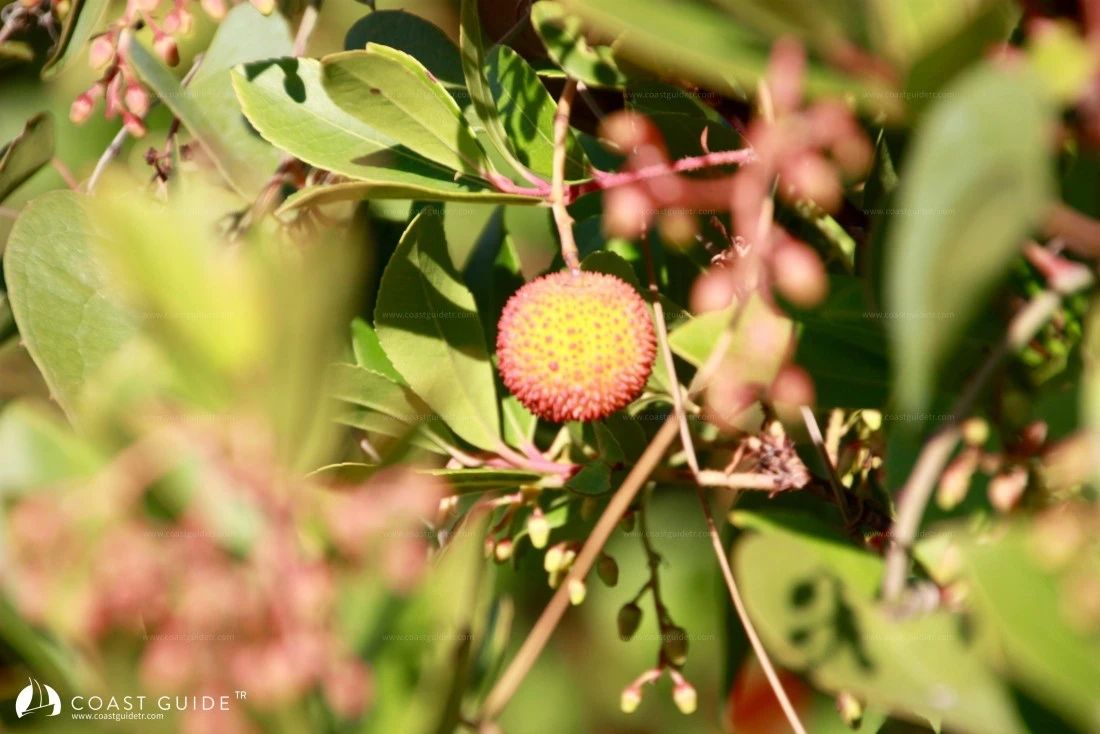
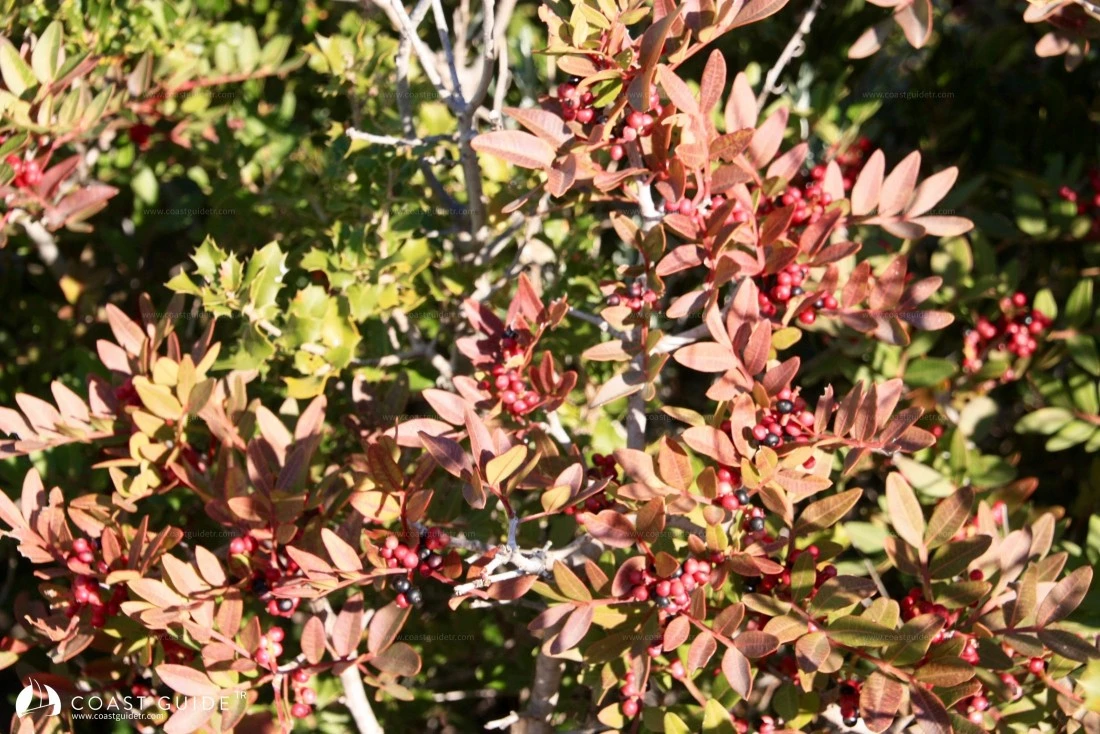
Unfortunately, the places where agriculture is practiced and flowers are grown are becoming construction sites. Our only consolation is that they are not high-rise buildings.
Here, 4,500 people live during winter months, and 45,000 in summer. We learn this from the bakeries that bake bread.
Our nature is full of unique beauties.
There are caves where monk seals shelter in winter. They go far away in summer, but return again in winter.
The place known as Dilek Spring, where the Narcissus Legend takes place, is also in Mordoğan.
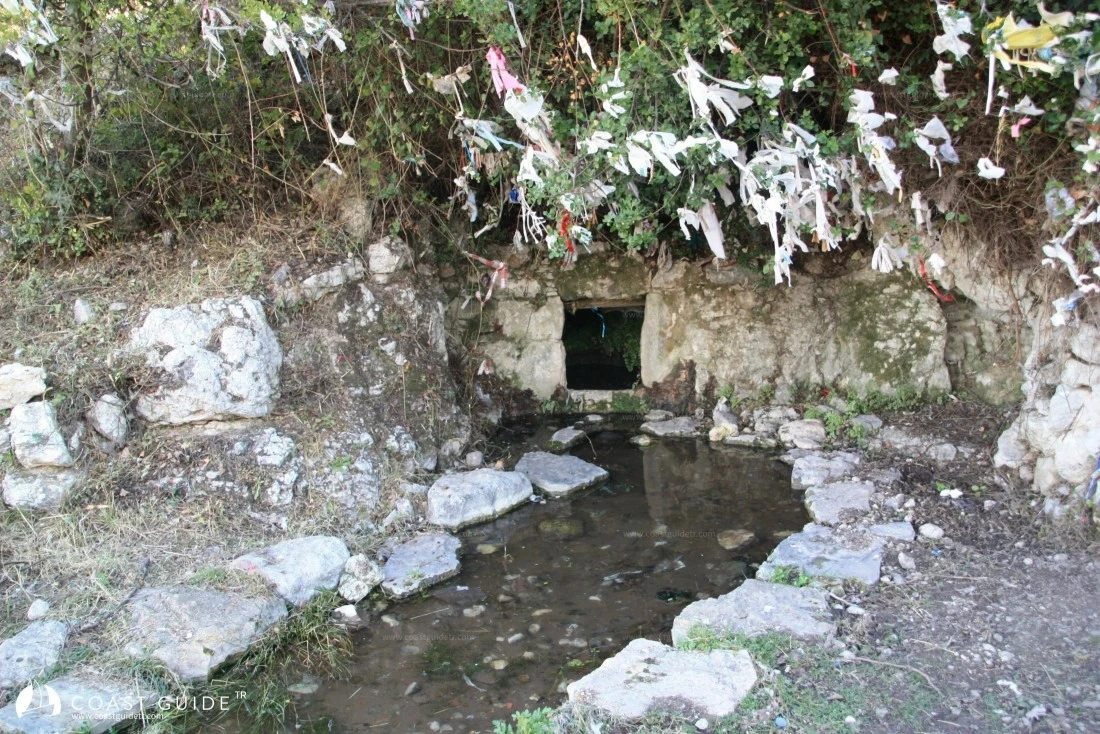
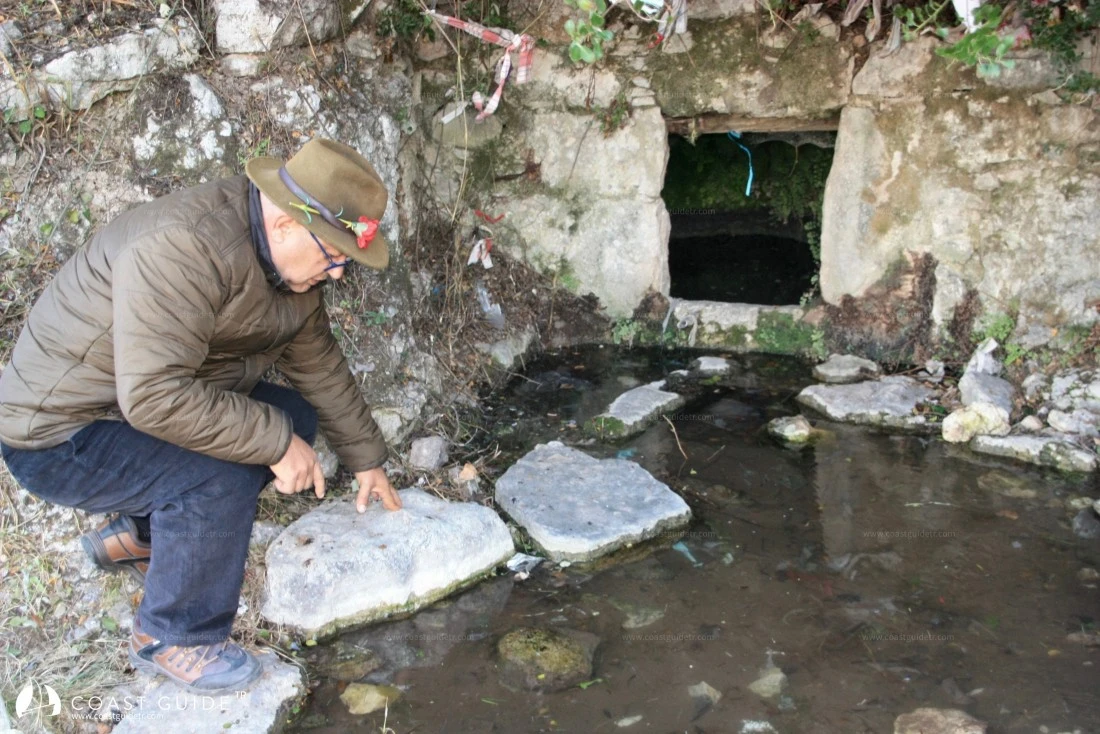
According to the legend; Echo, a very beautiful fairy maiden, sees a hunter. This hunter named Narcissus is very handsome.
Echo falls in love with this young hunter at first sight. However, Narcissus does not reciprocate this love and distances himself from the fairy maiden.
Faced with this situation, Echo wastes away day by day, withdrawing into herself with desperate love, and dies. All that remains of her body - her bones - turn into rocks, and her voice turns into what we call 'echoes' reverberating in these rocks.
The gods become very angry at this situation and decide to punish Narcissus.p>
One day while on a hunting break, Narkissos comes to this waterside, thirsty and exhausted. When he bends down to drink water, he sees his own reflection in the water. He becomes utterly enchanted by this beauty he had never noticed before. He cannot move from that spot; he has fallen in love with himself. He loves his own image more than he has ever loved anyone until that moment.
In that state, he can neither drink water nor eat food there. Just like Echo, Narkissos begins to fade away day by day and wastes his life there, merely gazing at himself. After his death, his body transforms into narcissus flowers.
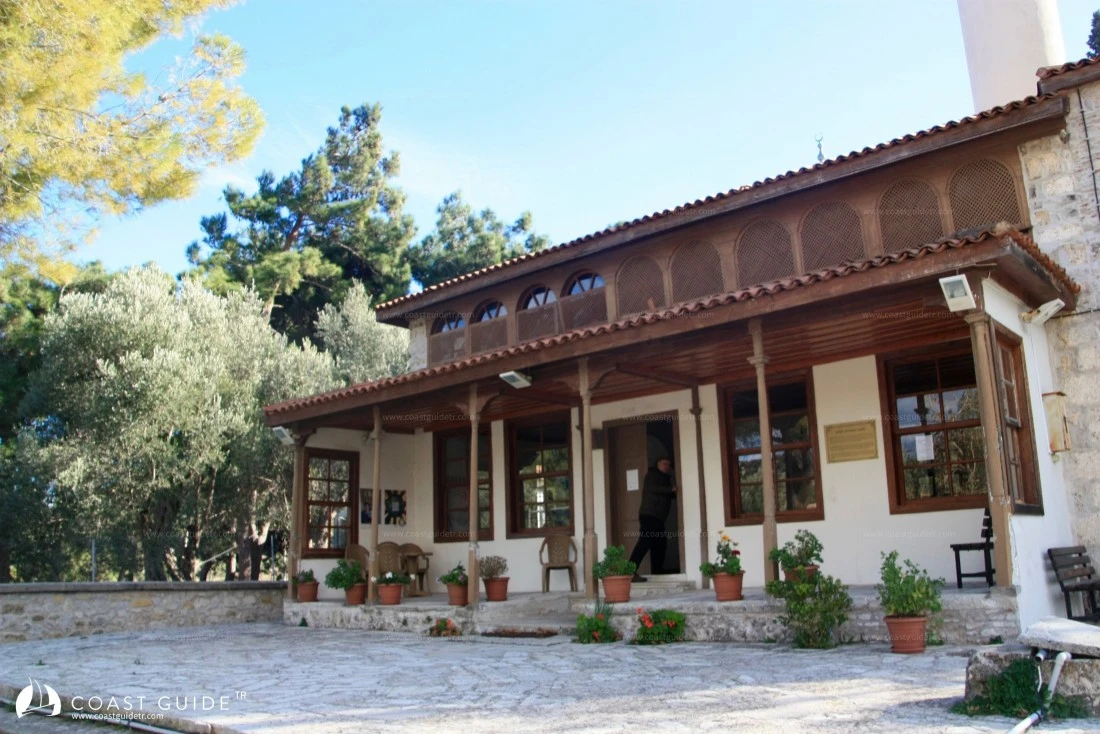
There is Ayşe Hatun Mosque;
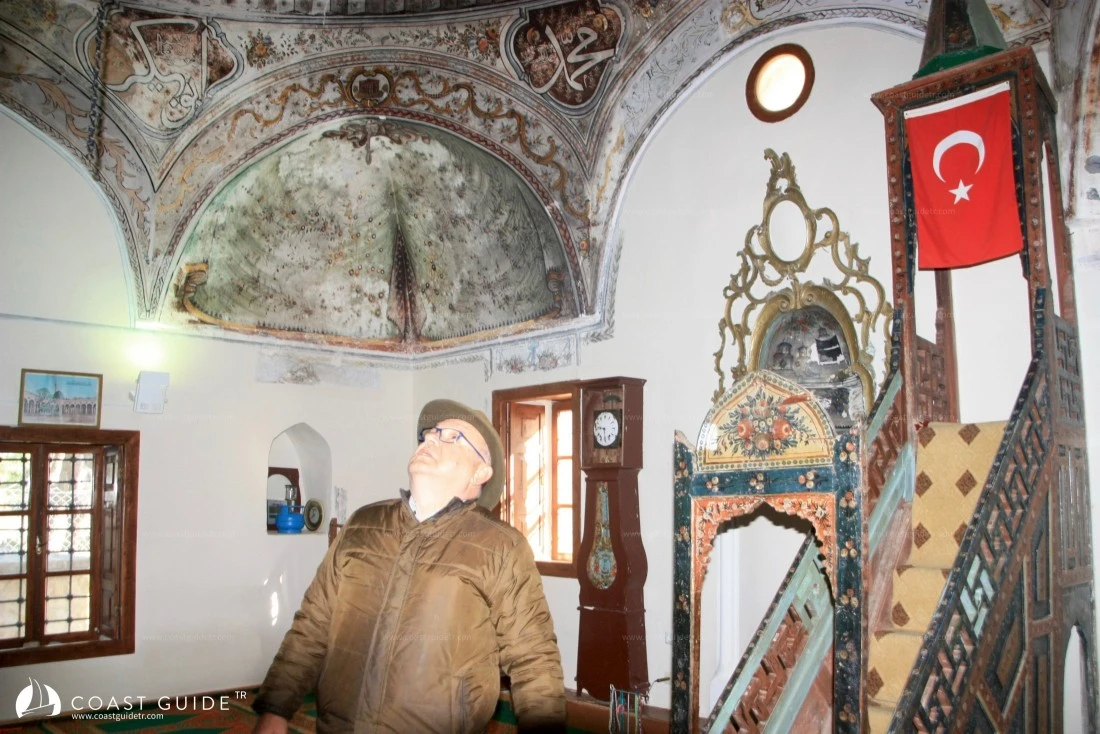
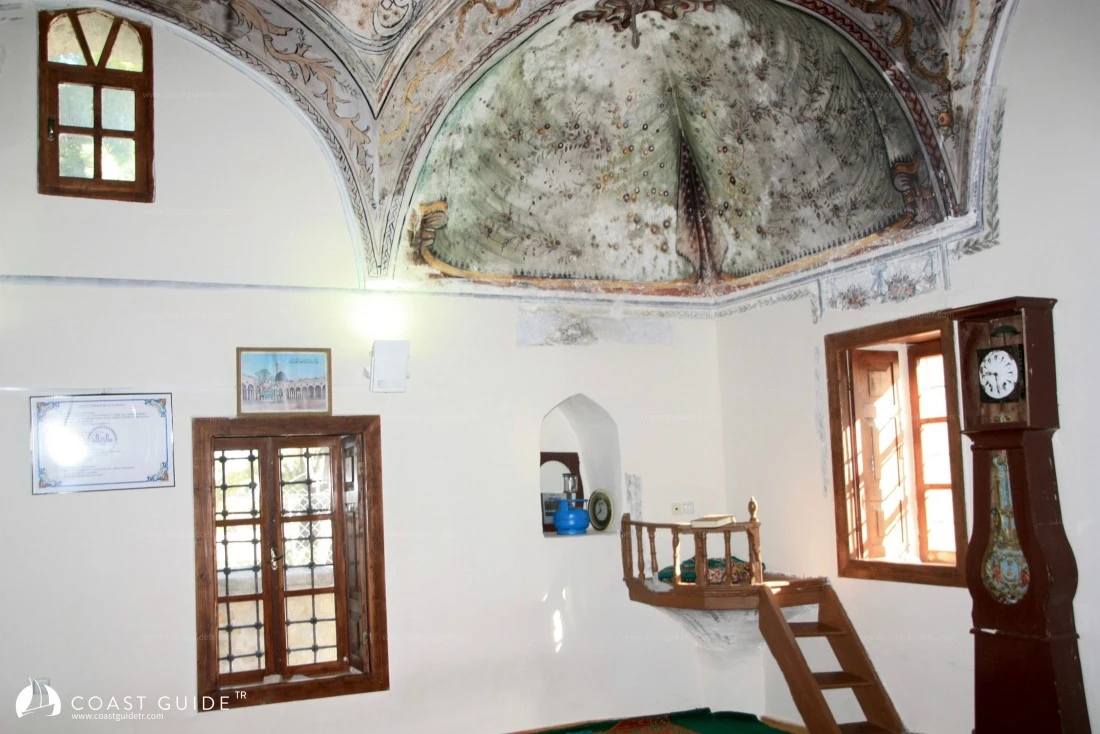
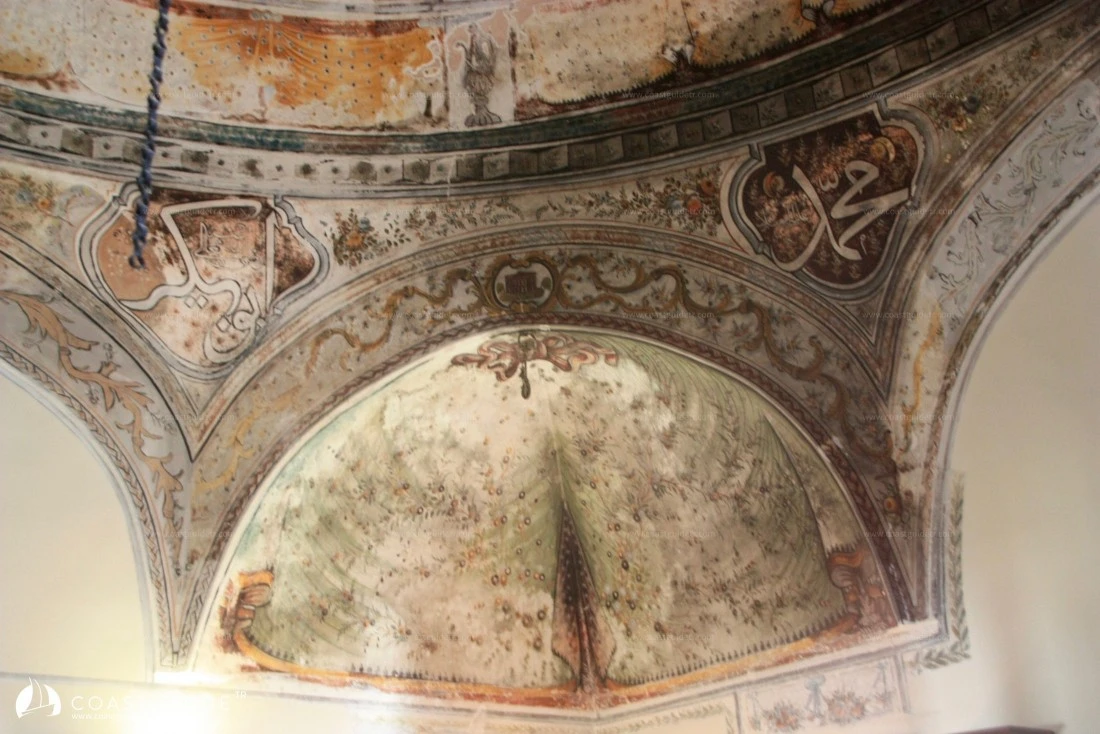
The Ayşe Hatun Mosque in Mordoğan Village was built by the Aydınoğulları in the 1400s. It underwent major renovation in 1800. When Ayşe Hatun's daughter passed away, her dowry remained in a chest. Ayşe Hatun converted these items into money. She had all the patterns and motifs from her dowry applied to the mosque's interior walls using natural dyes.
Especially the inside of the dome is densely covered with these decorations.
The village residents are very interested and protective. It has remained open to this day and is still active.
There is Ardıç Location, and I can say that the most beautiful winter is the winter here."
We visit many places that Cem Liman told us about and that I was curious about, and we go to Dilek Spring, which is said to be the place where the Narcissus Legend took place.
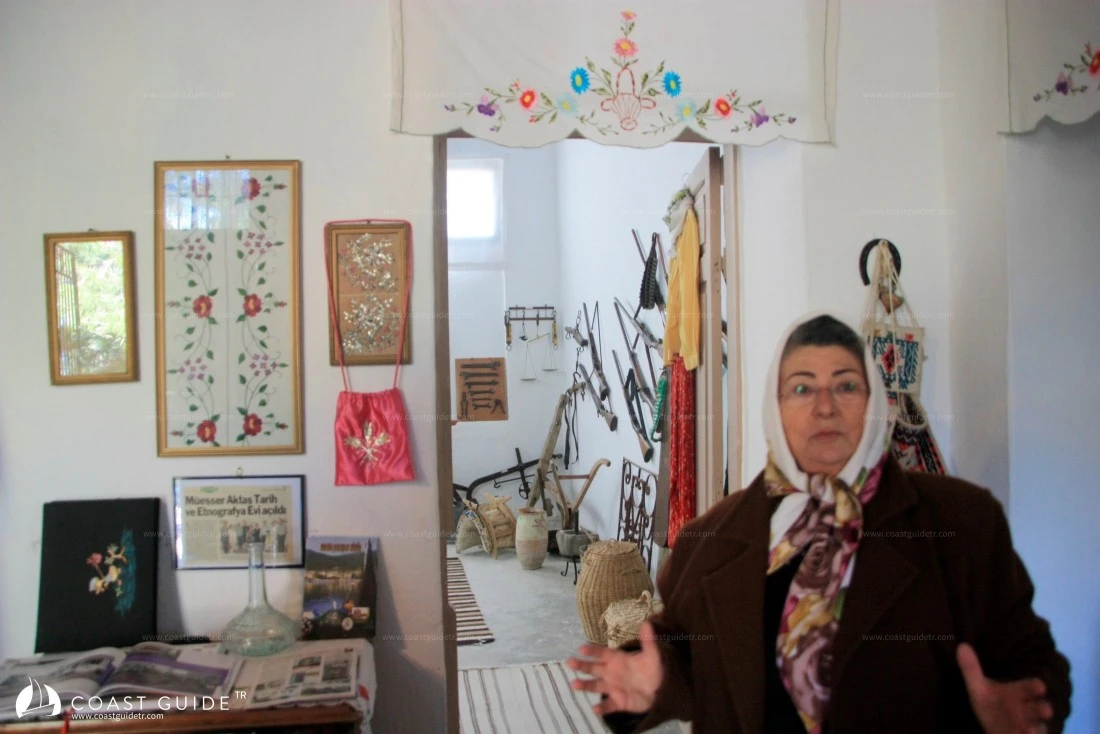
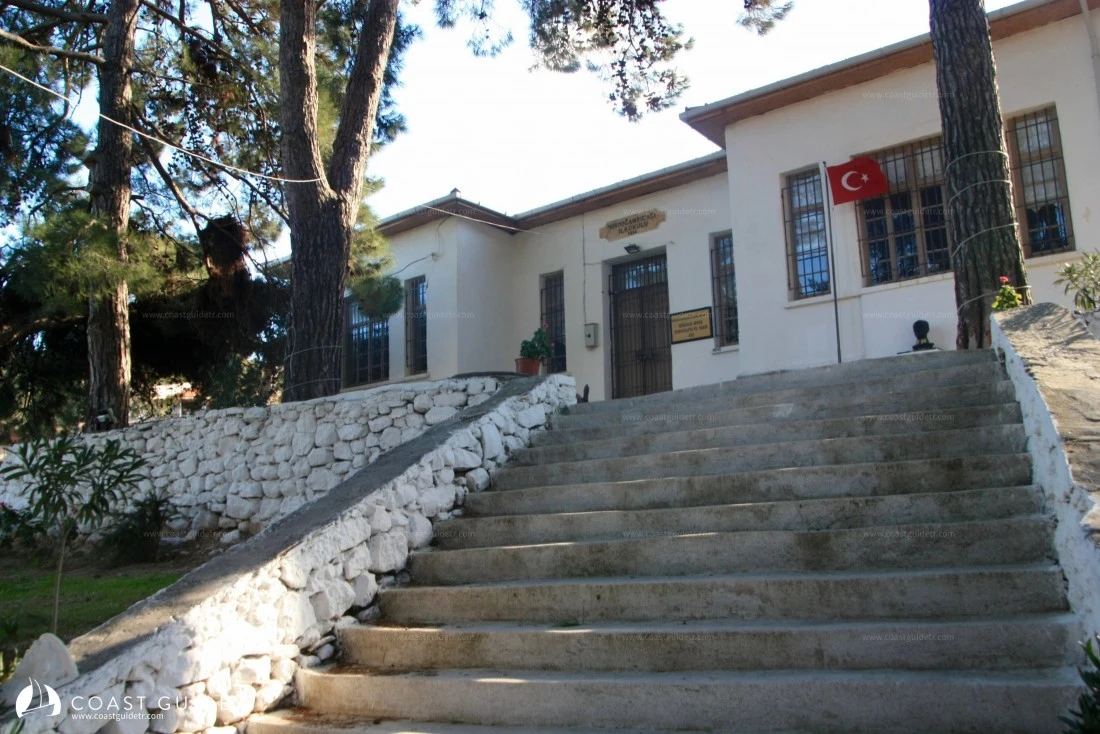
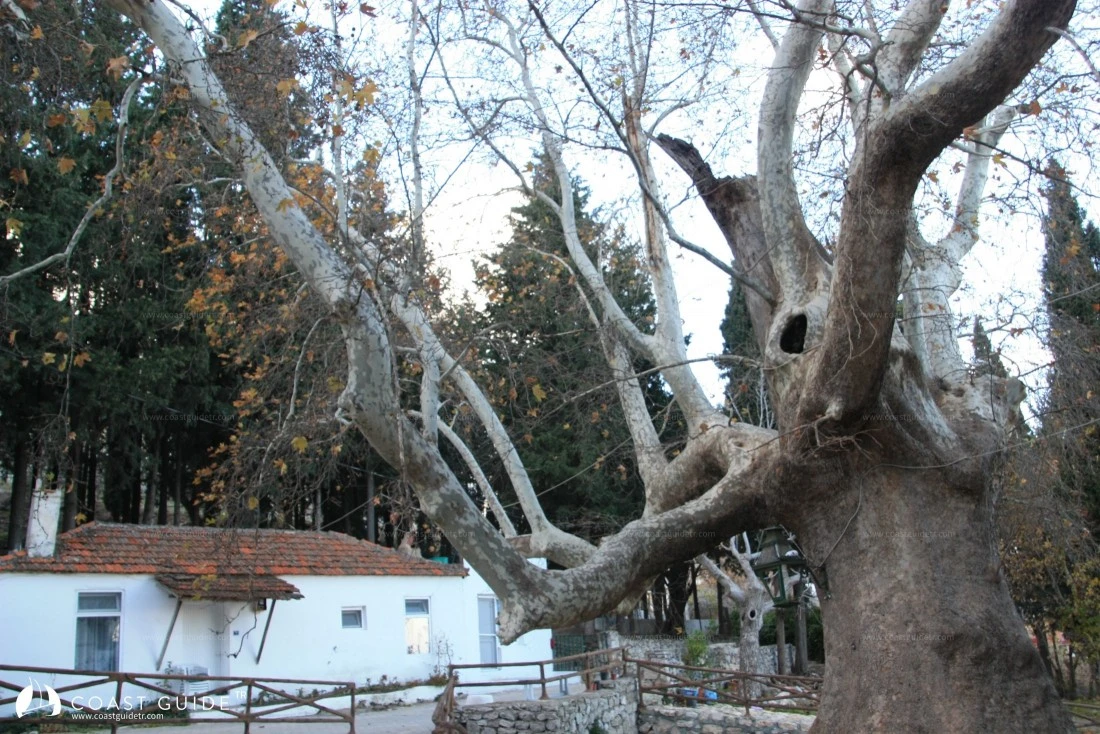
Then to Mordoğan Village on the hillside. We film Ayşe Hatun Mosque. The walls are truly very interesting. Right next to the mosque, there's an old building among the pine trees, leaning against the hillside. It served as a school for many years, and now it has been transformed into a museum through the efforts of Müesser Akbaş, who was born and raised here.
We meet with Mrs. Müesser and while listening to the story of the museum, we also take our footage.
MÜESSER AKTAŞ
Museum Founder
"I was born, raised, and currently live in Mordoğan central village. The foundation of this building was laid in 1928, right after the establishment of the Republic.
It was built by Kazım Dirik, the governor of İzmir at the time. My grandfather and his friends built it together as a school. They contributed both financially and physically.
It was put into service in 1932 and was used as a school for 70 years. It closed after the implementation of bused education.
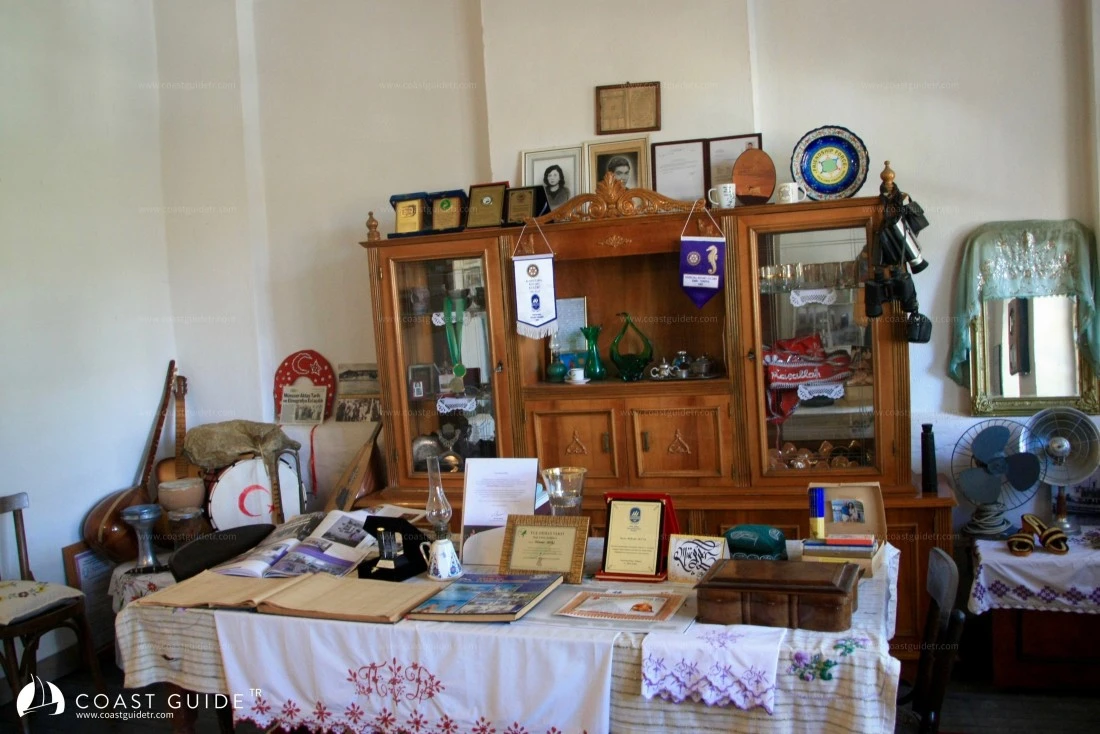
I made efforts to have this place restored and opened for use as a museum.
Just as I was explaining the project and about to get approval, the district governors would change each time.
At this stage, 4 district governors changed. But I stubbornly continued to follow up on the project.
After a long effort, the District Governorship approved the use of this place as a museum.
At that time, the village service board was established. This board assigned me to the task.
I cleaned and organized this building using my own resources and local government facilities.
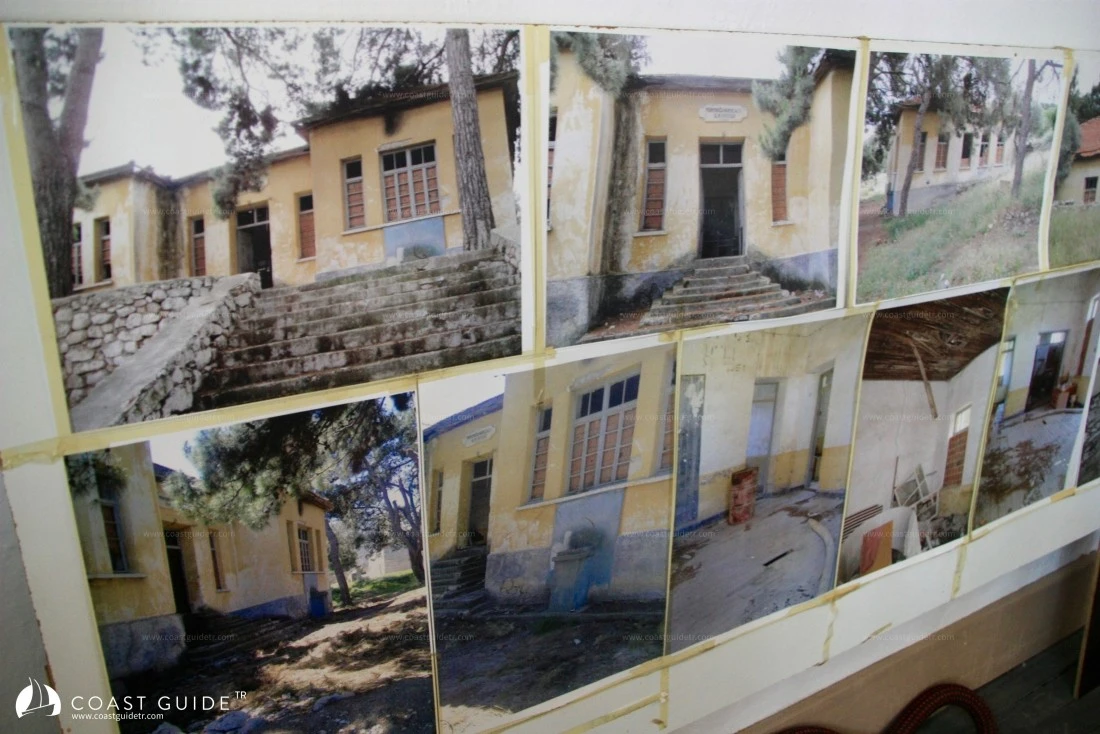
The land where the building is located belongs to the national property, and the building belongs to the national education. To be able to do anything, you need to negotiate with 2 different places separately, convince them and get approval.
Even when it was necessary to bring water to cultivate the garden, I had to get approval from 2 places. This becomes very difficult, but I'm doing it.
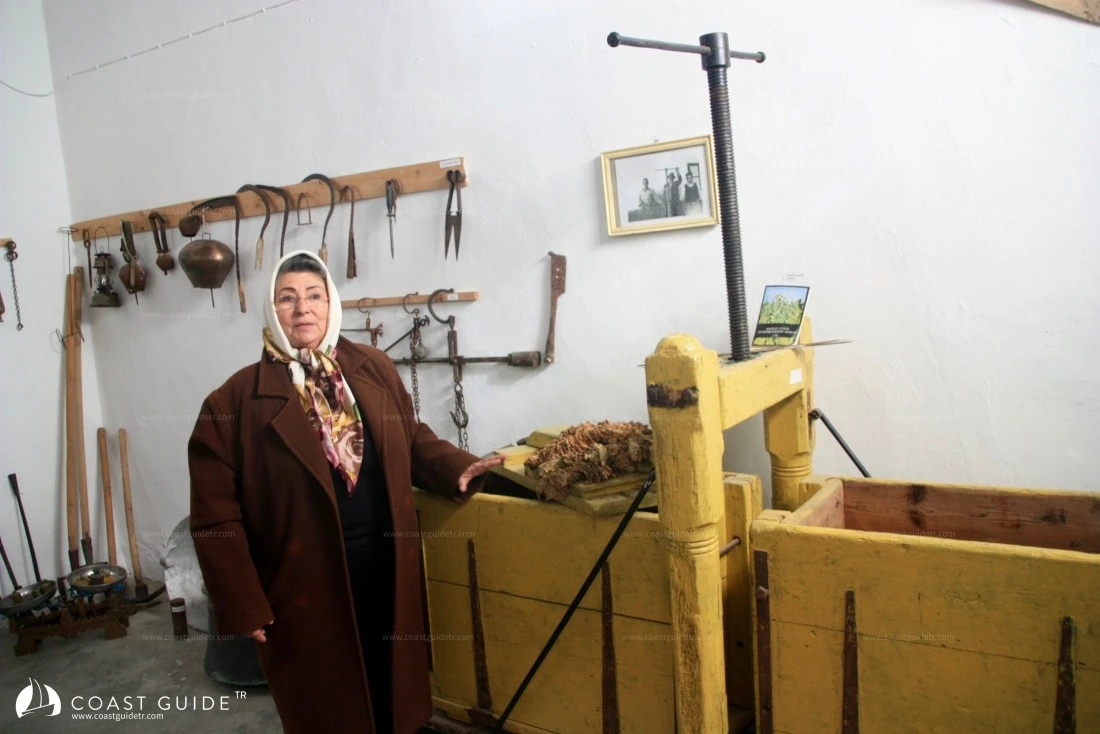
I collected, gathered and compiled all the objects in the museum myself.
During the summer season, it's open every day except Monday. In the winter season, we're open on Friday, Saturday and Sunday.
All the objects here have their own lived histories.
Among them, I love my father's baler machine the most.
Mordoğan is my soul, living here is a privilege. We are all relatives and we live happily."
We are passing from Old Mordoğan Village to Çatalkaya Village. Again on the hillsides. It also has a historic mosque and 2 fountains in its courtyard. We view them. We also get the story from Mordoğan Neighborhood Headman Kenan Üstündağ. If the definition fits, Mr. Kenan is a walking history book for Mordoğan.p>
A rare person consulted by both local and foreign historians about the region.
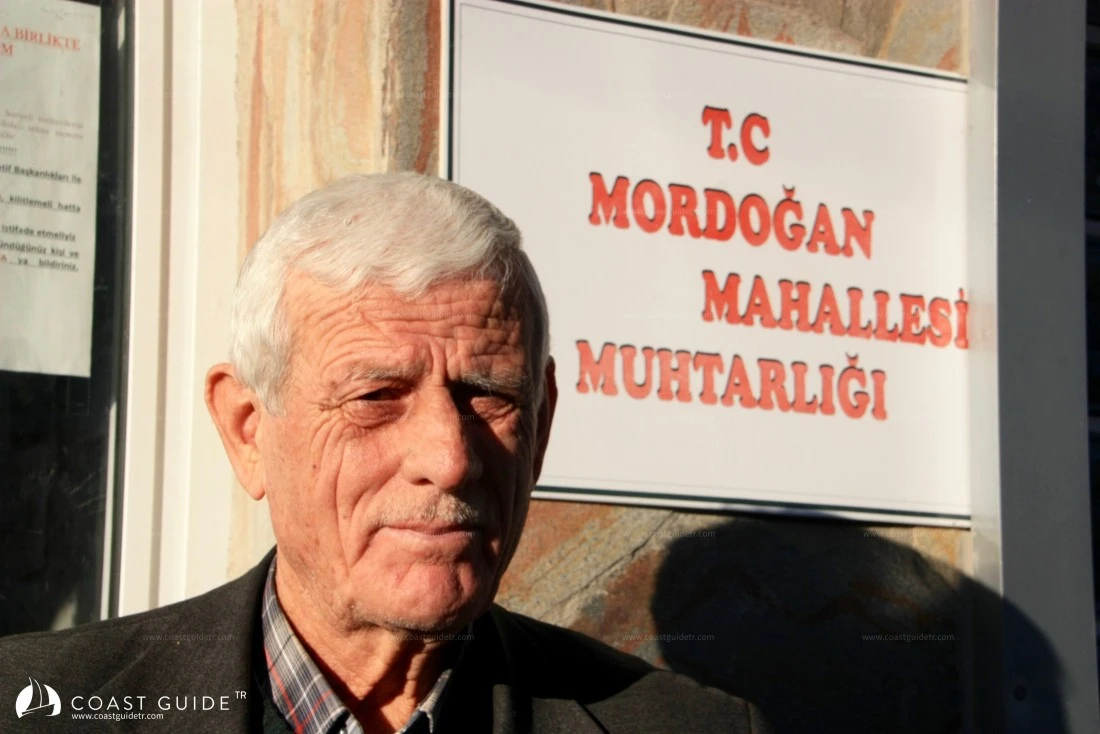
KENAN ÜSTÜNDAĞ
Village Headman
"Today's Mordoğan emerged from the merger of Mordoğan Village and Çatalkaya village.
Çatalkaya was founded by Yörüks from the Mediterranean region. These villagers came from the mountainous area south of Tuz Gölü (Salt Lake) in Central Anatolia. The villagers of Mordoğan came from the north of Tuz Gölü. Çatalkaya people are highlanders, while Mordoğan people are from the plains. There is a cultural and lifestyle difference between the two. Today's Mordoğan was formed from the merger of both.
After Çatalkaya was founded by Yörük chiefs in 1695, its famous mosque was built within it in 1707. In 1737, someone from the Oduncular family had the large fountain built in the mosque courtyard. A woman named Hatçe had the small fountain built in the same courtyard. The small one became known as Hatçe Fountain, and the large one as Oduncu Fountain. The mosque and fountains are among Mordoğan's symbolic landmarks; their waters come from different sources.
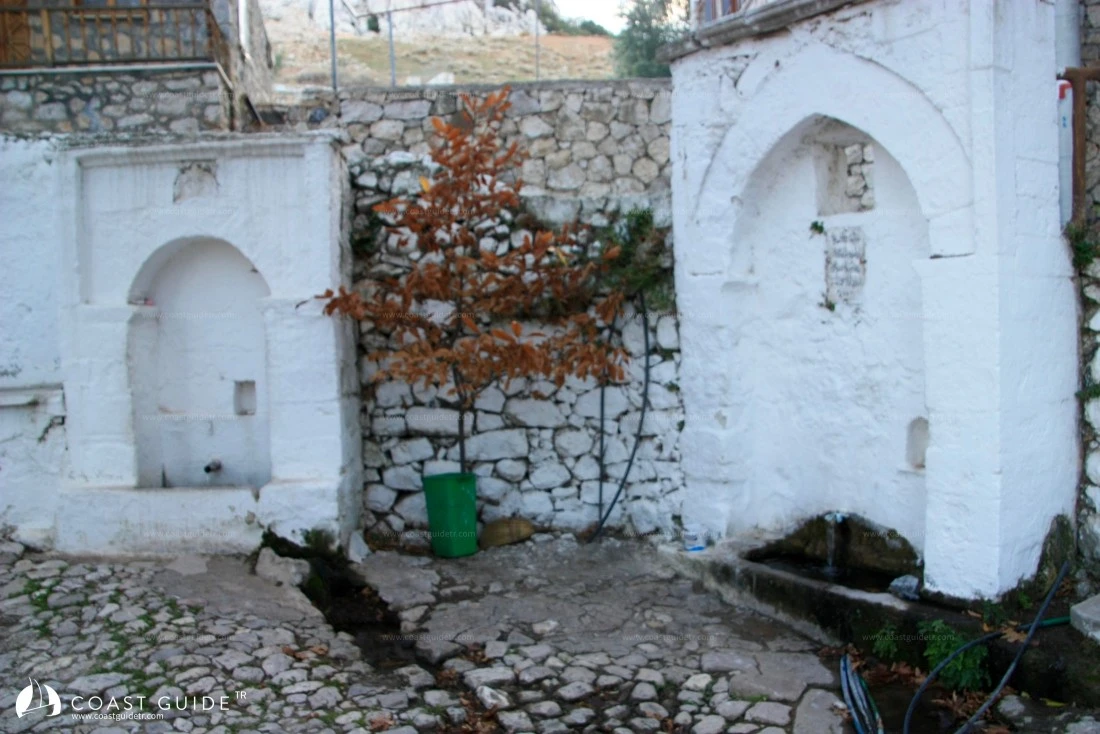
The fountains were built around the mosque to symbolize the abundance of water as a blessing.
In this sense, it is said that there were 36 fountains in Çatalkaya village at that time, and all 36 brought water from different sources. They are known as fountains built by those who wanted to do charitable works."
We are passing through the gardens from our headman's side. Mustafa Özer and his wife have completed their business lives and settled here. They have a very beautiful house. They are as interested as possible in nature and social life. They are the local representatives of the hiking trails project taking place in the Izmir region.
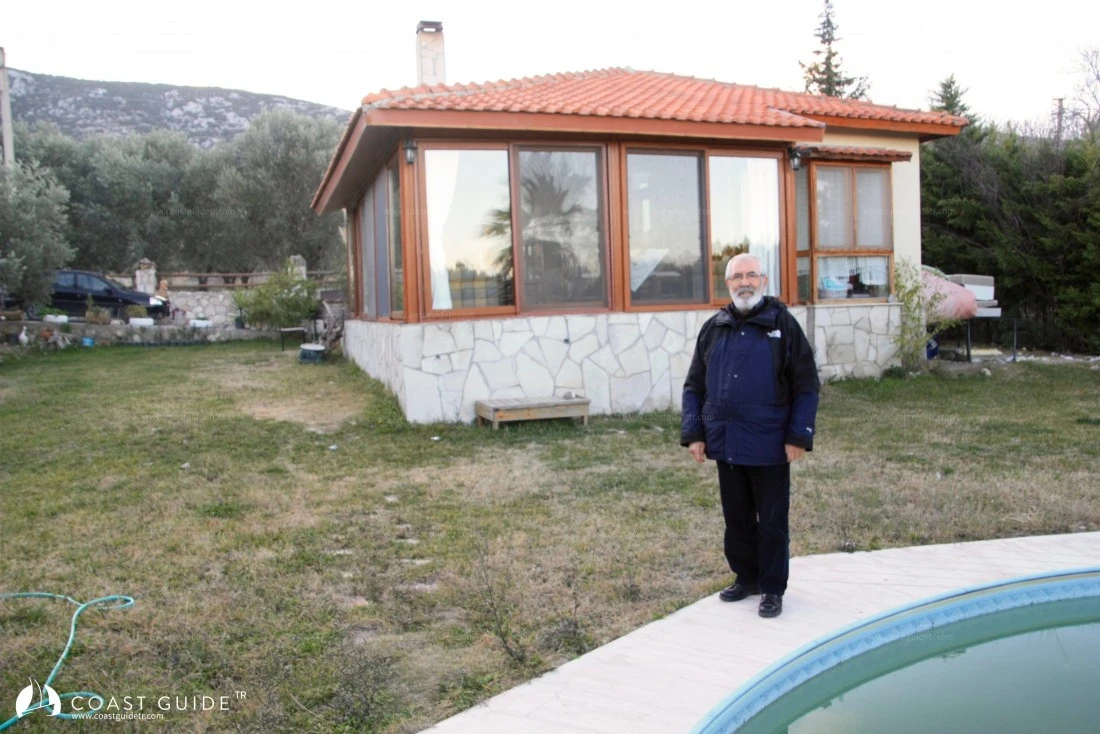
MUSTAFA ÖZER
Retired Industrialist
"After living in Izmir for many years, we have been living in Mordoğan for 10 years. While easing our working life, we wanted to settle in seaside towns where fishing prevails. First we looked at Datça and compared it with Mordoğan. We chose Mordoğan because of its air, pristineness, and proximity to Izmir. We're glad we chose it. One day I was at a meeting at the regional forestry directorate in Izmir. The forester friend who introduced me presented me as the person who breathes the freshest oxygen due to where I live.
Indeed, the unspoiled nature here and the warmer human relationships have bound us to Mordoğan. Here, Akdağ has an Alpine climate, with different climate regimes in every direction. This is a special place.
I am active in many social fields. I am active in the EPHESUS-MIMAS TRAIL project. In our research on these hiking trails, we saw that there is a tremendous ecosystem in Mordoğan.p>
It is a very rich region with its Flora, Fauna and Folkloric values. There are 200 species of protected birds. There are many endemic plants. We live within a 600-year-old tradition.
In our Mordoğan, we have fresh fish, conversation, and we are happy with small things.
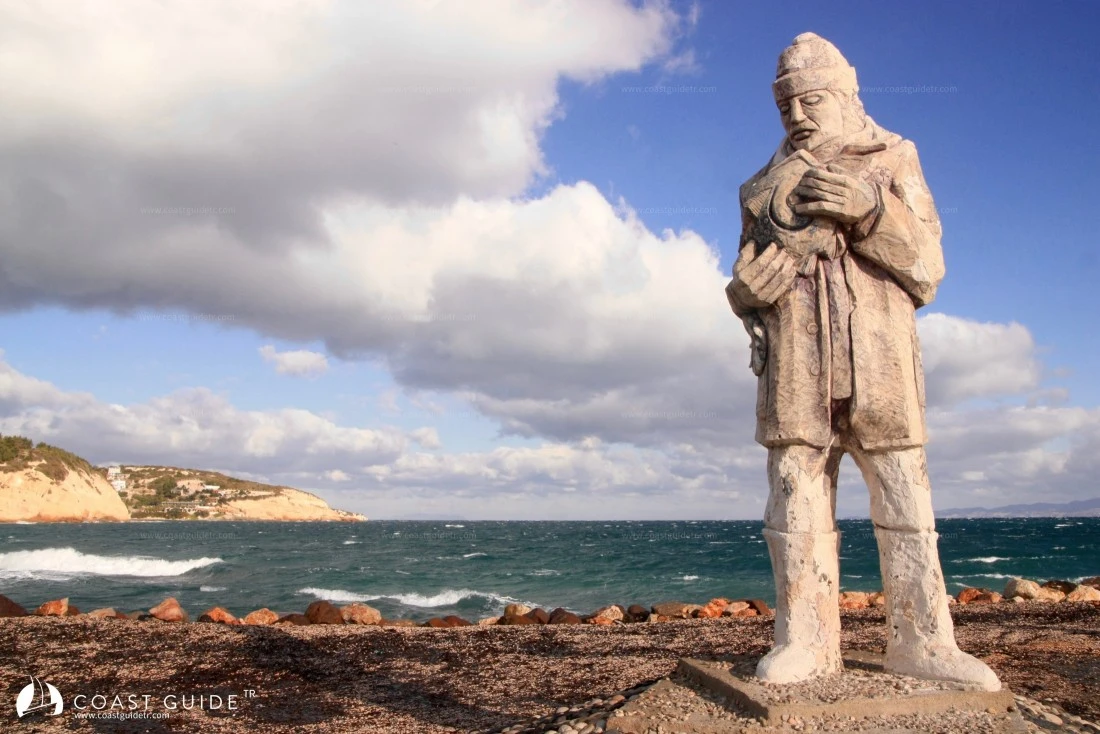
We opened the Karaburun Mimas Mountaineering and Nature Sports Department. We go hiking every Sunday. We try to take people to nature as much as possible. I am also trying to grow mastic trees.
The Yörüks who settled here first came with their animals, then later
They switched to agriculture. My roots are also originally from Toros. The generations before us grew three things; mastic, grapes and olives. These disappeared over time. Now we are producing mastic saplings through the Peninsula Social Responsibility Association. Growing mastic takes a long time. For this reason, producers cannot wait very long. We will show that money can be made from this with an exemplary mastic grove. It's good that we settled in Mordoğan. We don't even notice how time passes."
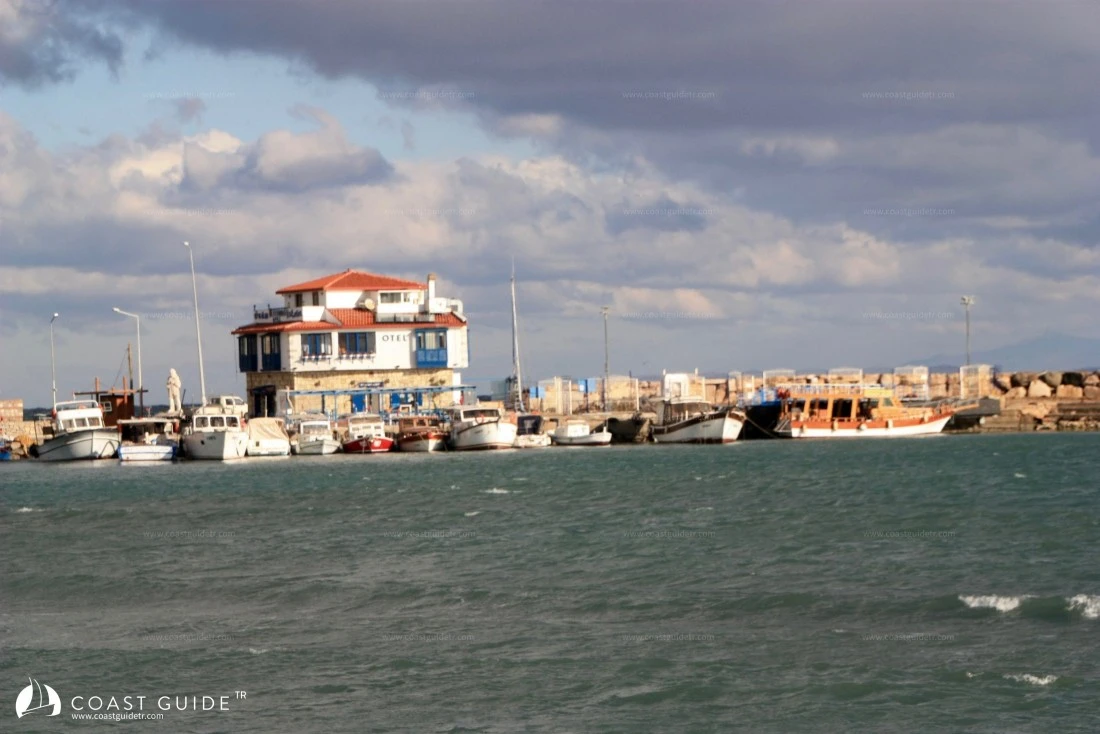
Finally, I am visiting Master Mariner Fatih Türküstün, who generally spends his life in his seaside home in Mordoğan.
He knows the seas, he knows Mordoğan, he's a maritime instructor, a researcher, his wife is a local from here and a sea lover. What more could we ask for?
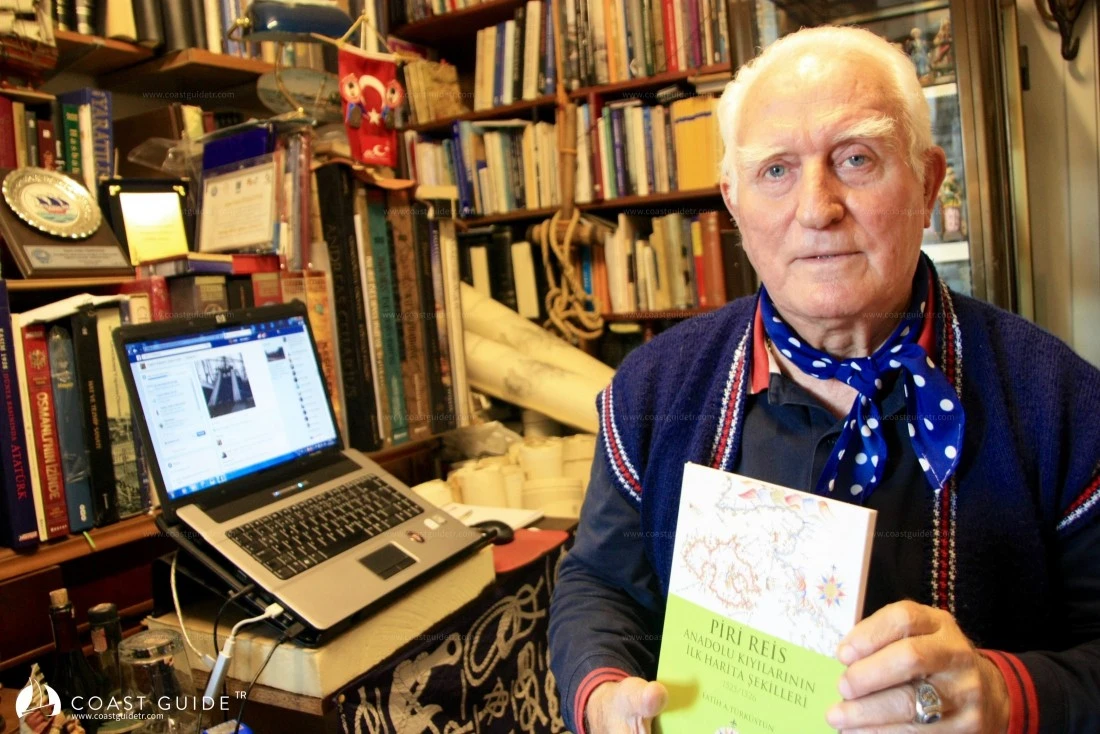
FATİH TÜRKÜSTÜN
Master Mariner-Maritime Instructor
"We came to Mordoğan to ask for my wife's hand in 1968. We've been locals here since that day. More precisely, we became villagers through marriage. She's a native of this beautiful place. Born and raised here. Since I have a wife who was born and raised here, there's nothing to complain about regarding our happiness. Born in a sea land, she knows the sea, loves the sea and seafarers.
For this reason, we never experienced any problems.
Of course, these places were calmer in previous years, relationships were warmer.
Once summer housing complexes started to be built, Mordoğan lost its tranquility, just like everywhere else.
The construction quality is also very low and gets even worse with cosmetic beauty. We're in the center and we're happy.
It has magnificent seas, spectacular air. Our Rota fisherman 14 boat, which we've been using for 16 years, had sails. My wife and I would go fishing every evening when the sun came over Akdağ, and we'd return around 22:00 at night.
My wife catches squid very well. She would catch very large squid, I would catch the smaller ones. Every evening, our seafaring friends would eagerly wait for us at the pier.
The sea here is formidable, but we went out to sea in all kinds of weather.
The day came 2 years ago when we sold the boat. The fish had already diminished.
A shelter was built here, first they said it would be a marina.
How can there be 2 shelters side by side, said the authorities who came from Ankara at a certain stage of the construction.
DLH and the Ministry of Finance clashed while the project was ongoing.
As far as I knew, this place had obtained construction permits for the purpose of a yacht marina.
I was at sea for many years. I am a Deep Sea Captain. In 1978, as captain of the vessel Piri Reis, I brought the ship from Germany to our waters.
She is now moored at Inciraltı.
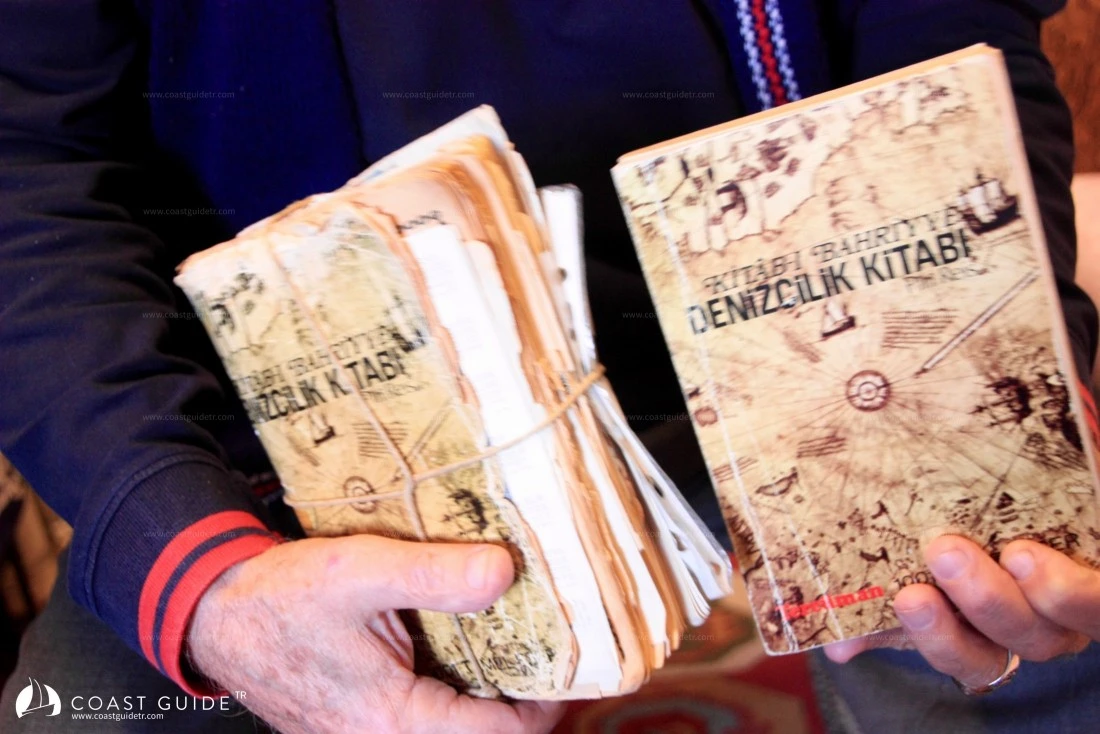
I studied Piri Reis's works scientifically for years. For 12 years, I worked on ships for 6 months during winter.
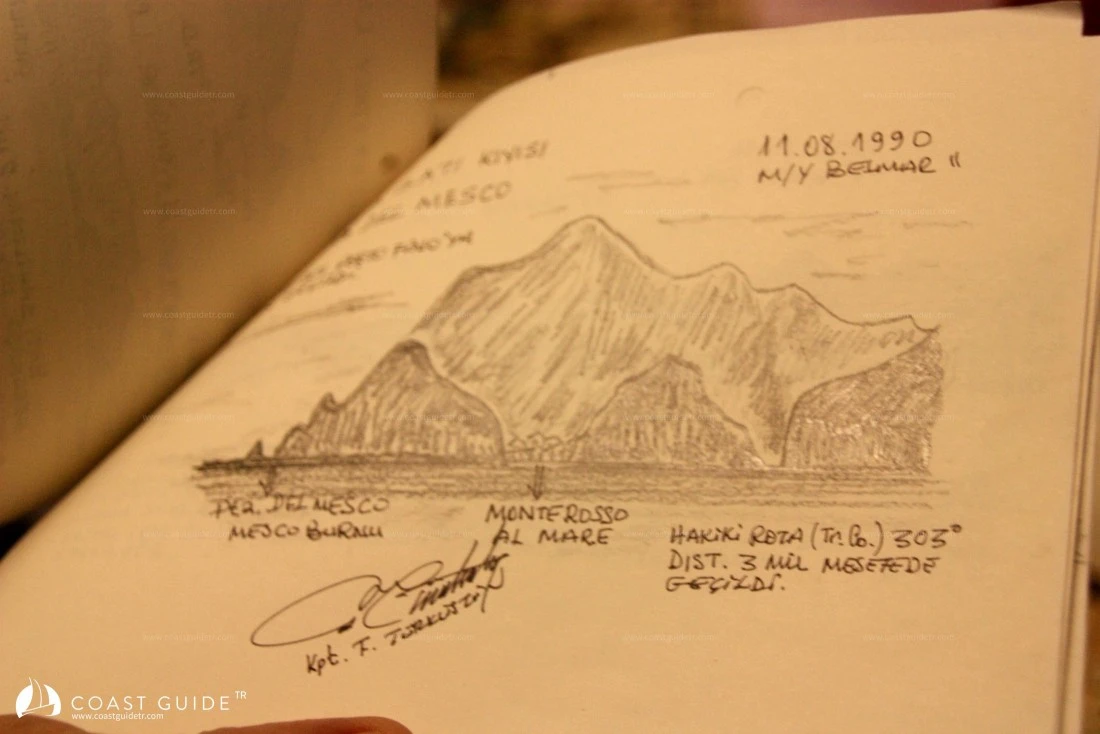
During the remaining 6 months of my leave, I covered 14,000 nautical miles and drew all the coastlines with pencil. I detailed Piri Reis's Book of Navigation. I charted my observations and passages on maps. I made drawings and sketches. Eventually, I wanted these not to be lost.
The time came and I published these in my book titled PIRI REIS THE FIRST CHART FORMS OF ANATOLIAN COASTS.
There are charts of our coasts and nearby neighboring islands all the way to Iskenderun.
Now I am preparing my new navigation book."
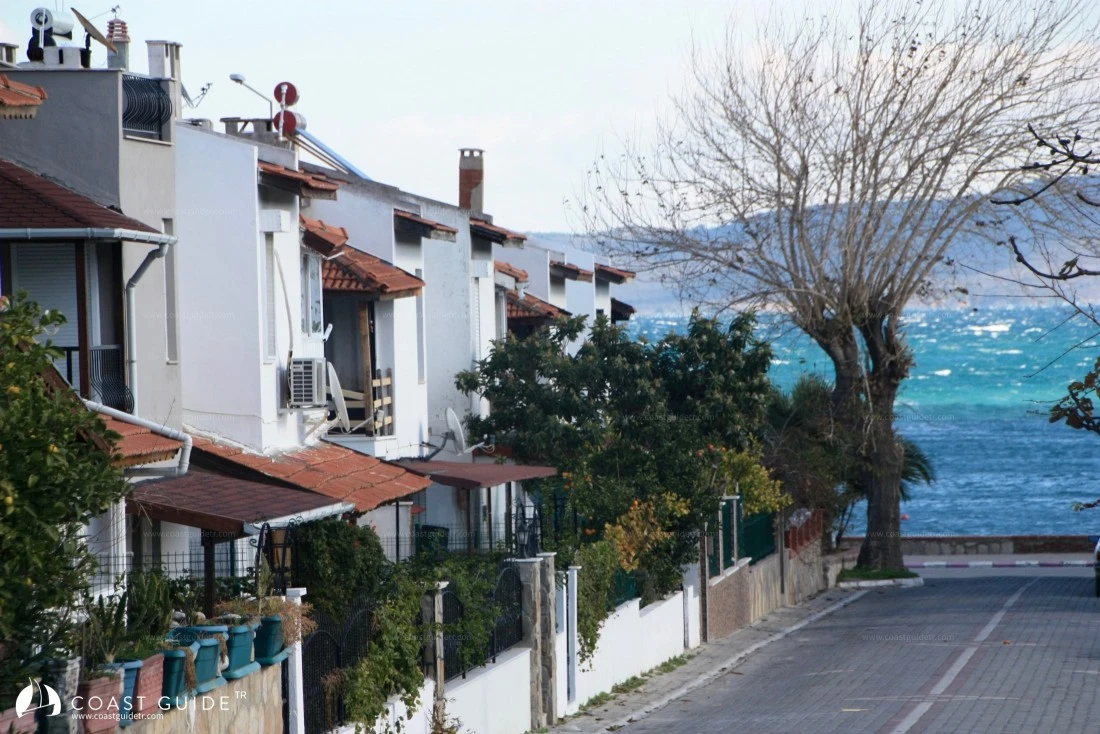
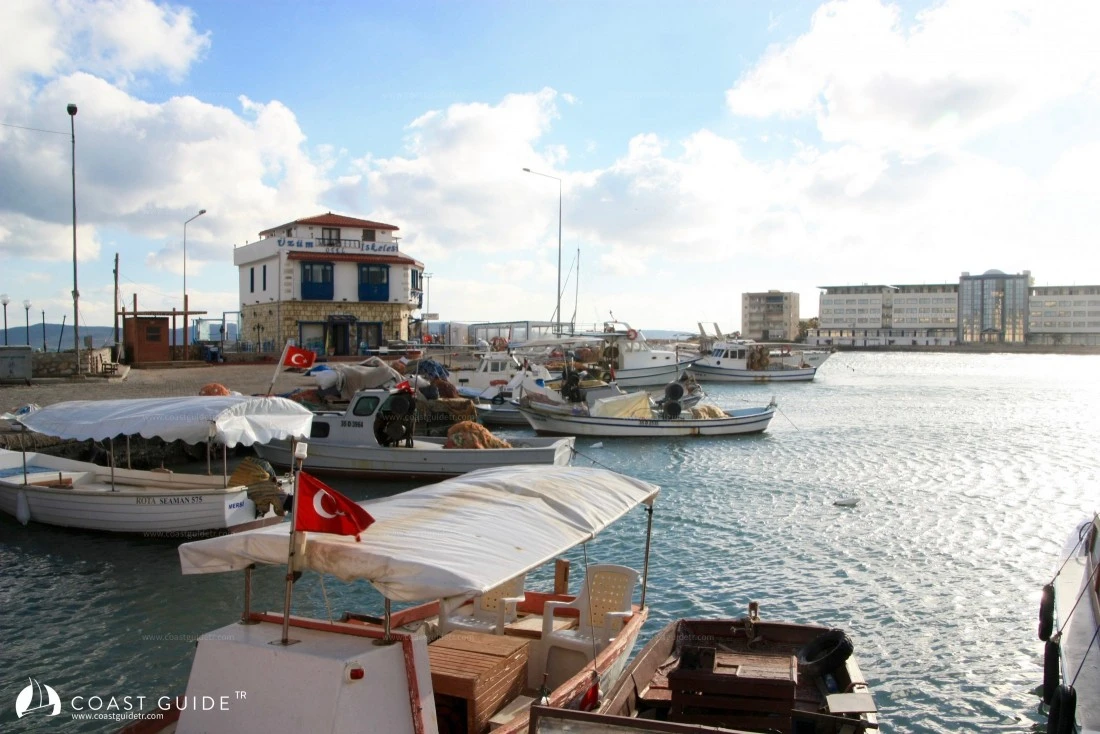
Yes, we were in Mordoğan with its history, its values, its sea and its fish.
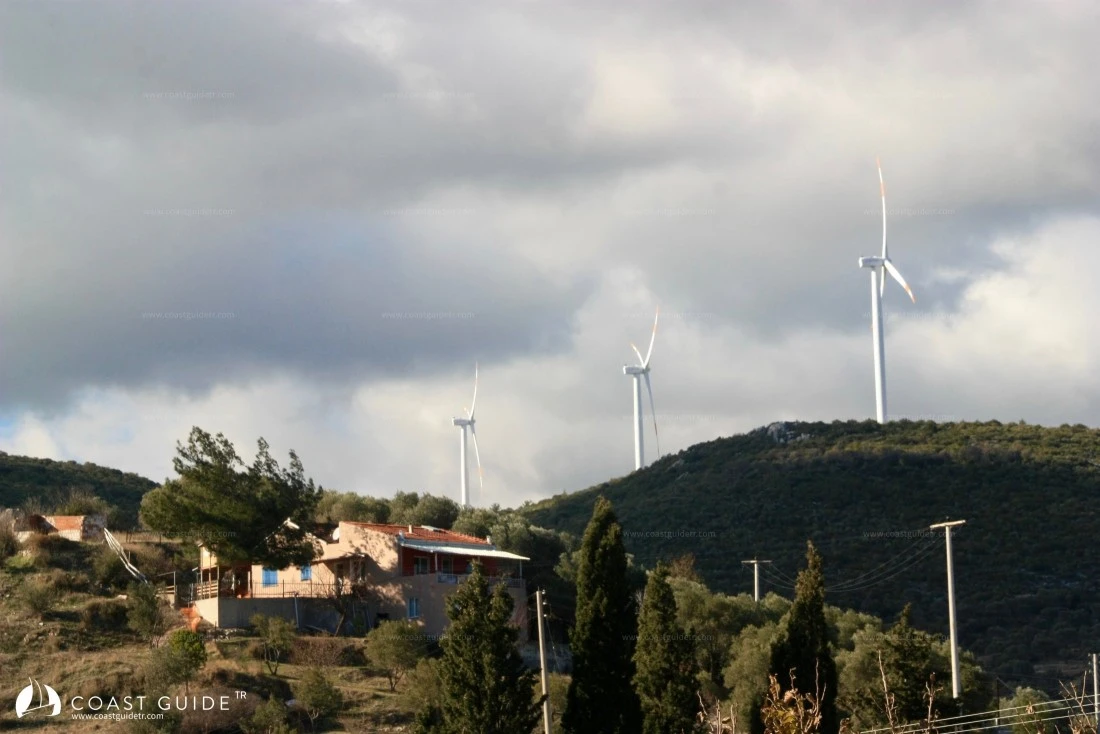
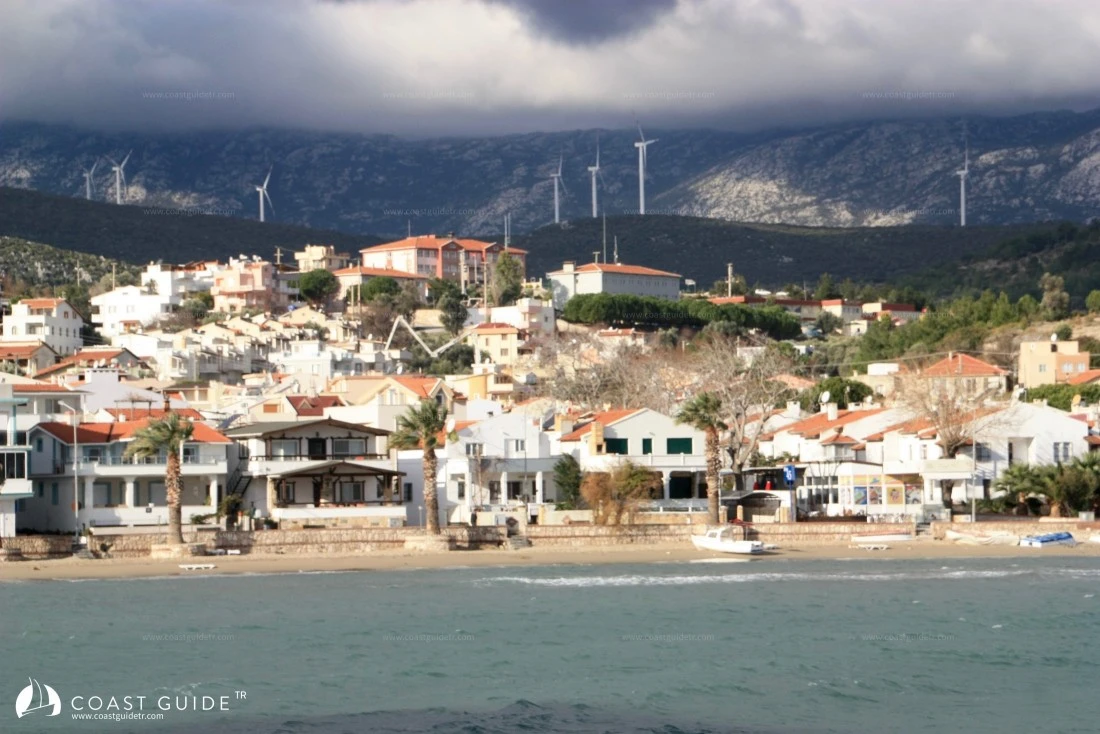
By the way, I almost forgot to mention; the people of Mordoğan are complaining about the wind turbines that have been installed very close to them and are still being installed.
They want them to be installed at least 5 kilometers away from residential areas.