ÇANDARLI: Northern Aegean's Hidden Sailing Paradise
Discover Turkey's Oxygen Depot - A Natural Haven for Sailors
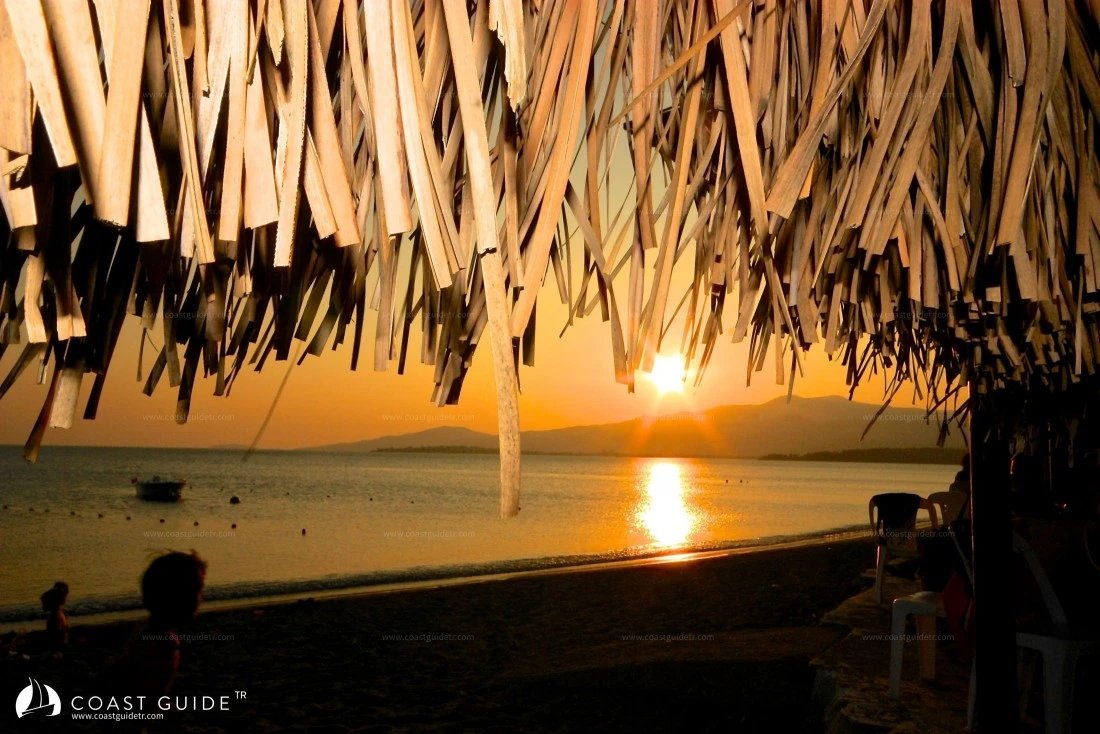
Dear readers, in this article we are taking you to a town renowned for its winds in the northern Aegean; Çandarlı.
It's also called an oxygen reservoir. A natural town with its olive groves, cotton fields, and somewhat cool sea.
These areas, which fall outside the South Aegean and Mediterranean where foreign tourists come intensively, are places where domestic tourism is densely experienced.
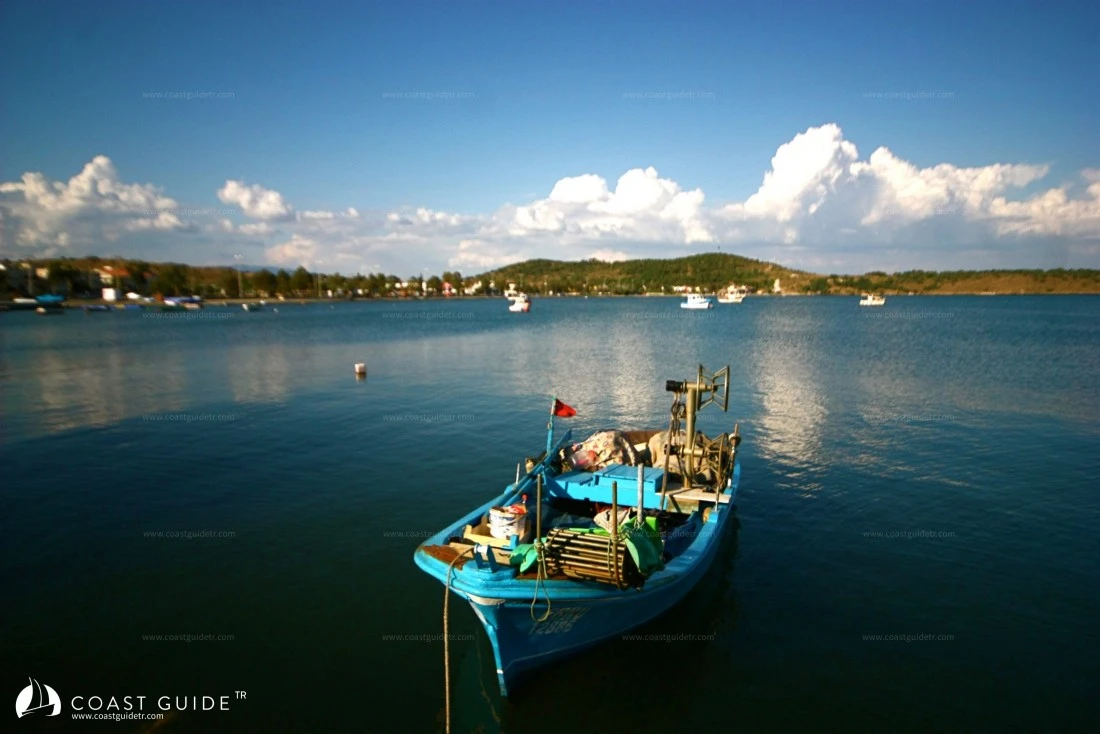
A town preferred by those who want a peaceful and affordable vacation, as prices remain comparable to normal living centers even during the summer season.
It attracts attention with its modest hotels, seaside guesthouses, and restaurants that don't apply inflated prices.
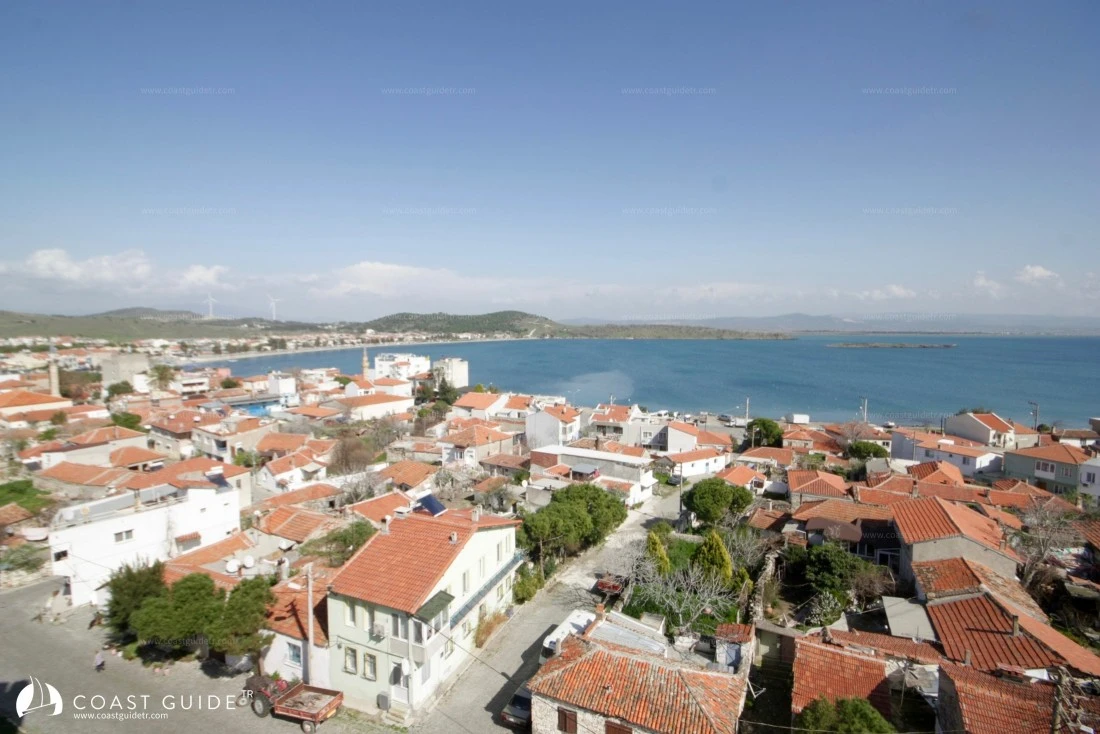
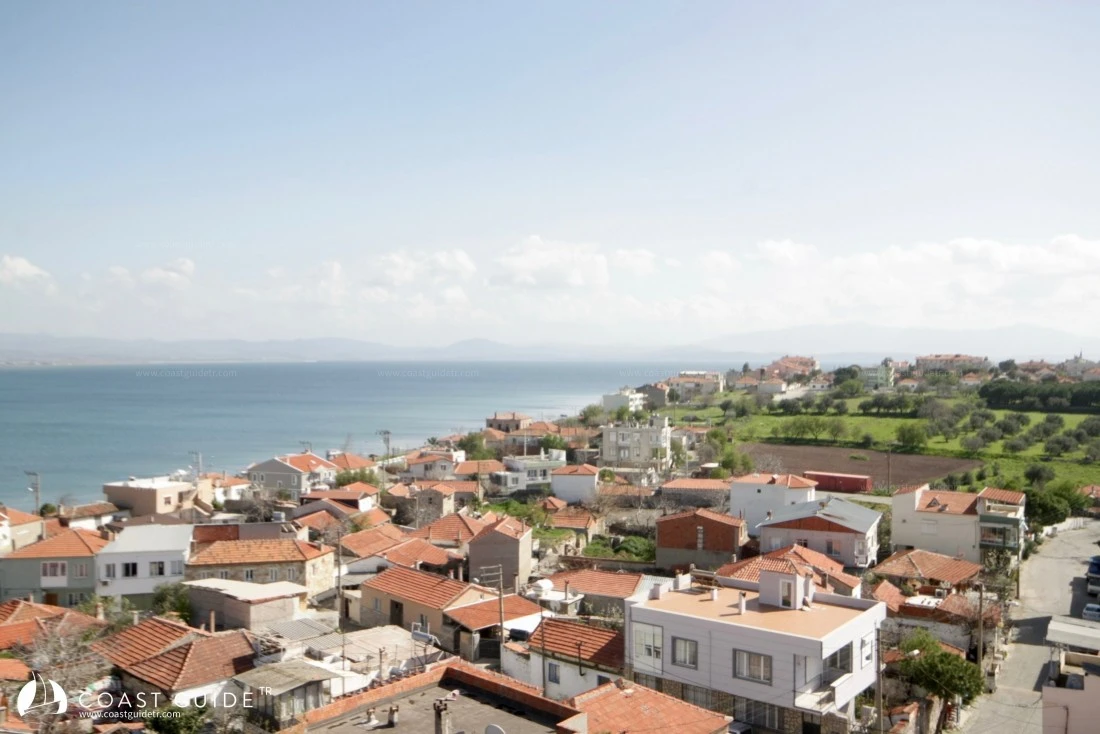
The history of Çandarlı (Pitane) dates back to 4000 BC.
The castle and ancient city took its name from the Amazon Queen Pitaned. The famous philosopher Arcesilaus was from Çandarlı.
According to local legend, the city was ruled by Amazon warriors.
For this reason, the city's name was referred to as – City of Women or Queen City.
In subsequent years, the city came under the rule of the Hittites, Lydians, Persian Empire, Byzantines, Seljuks, and finally the Ottomans.
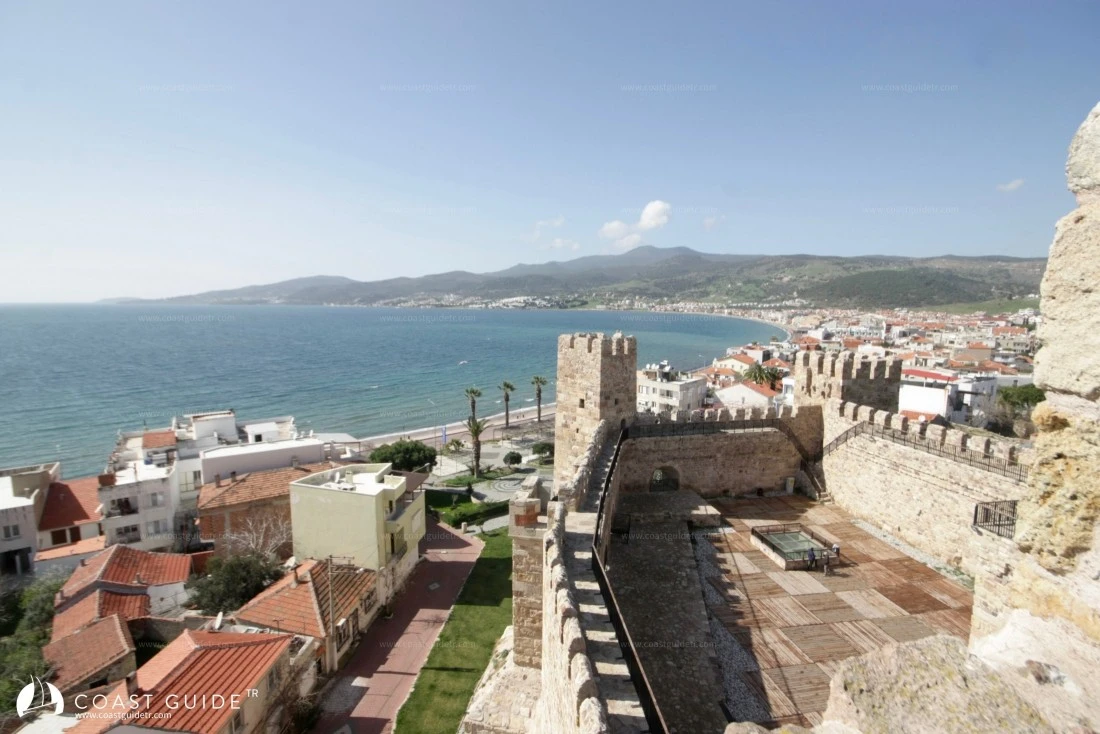
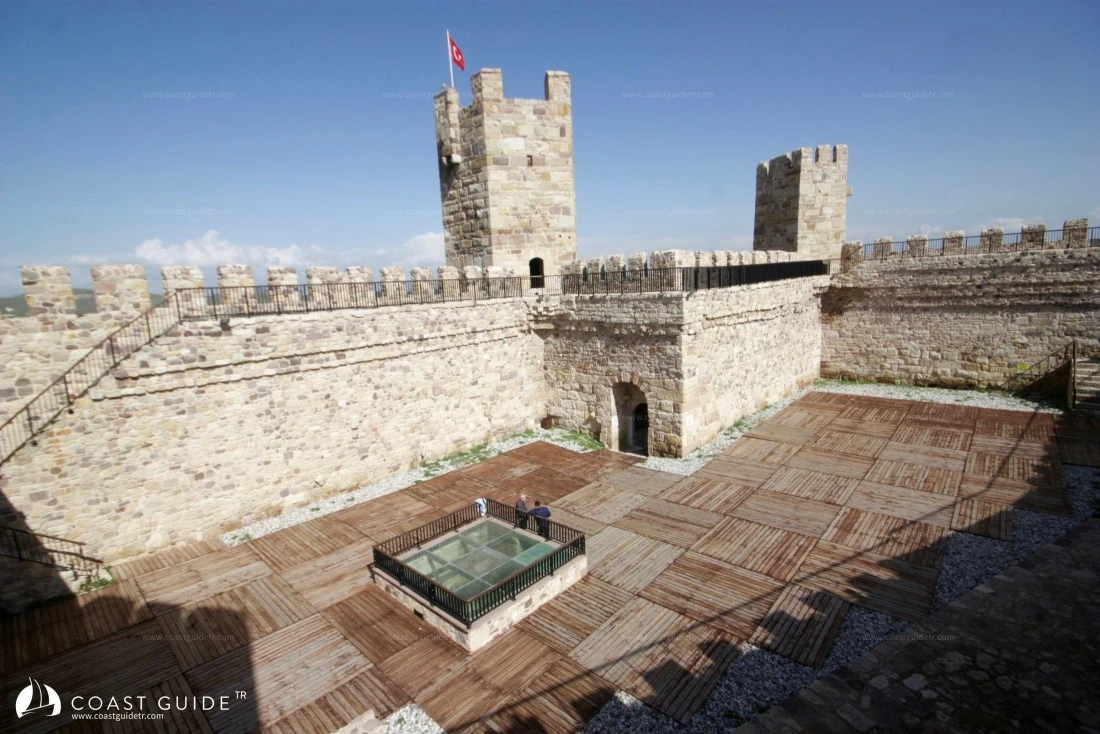
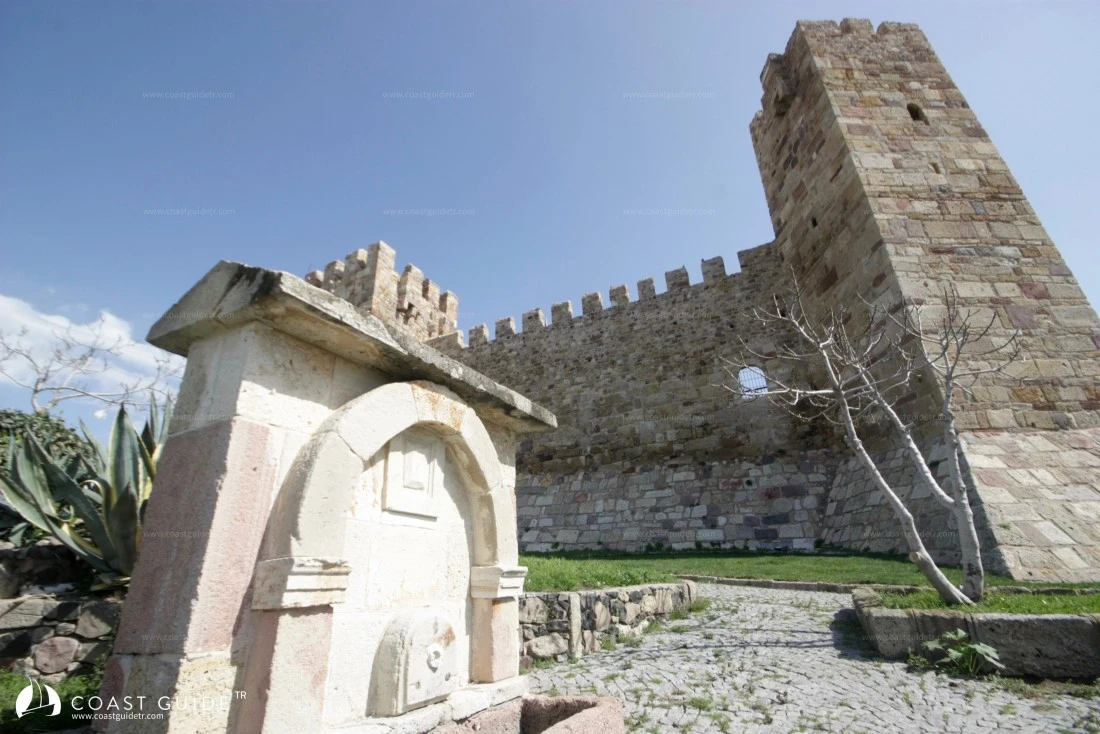
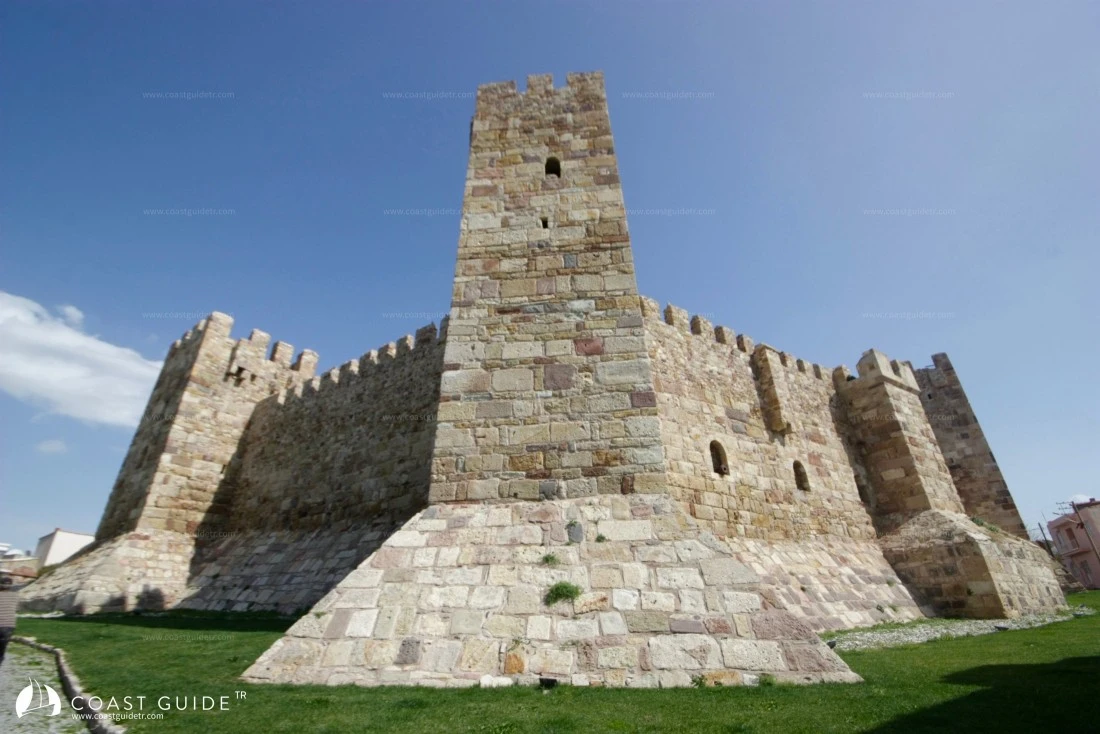
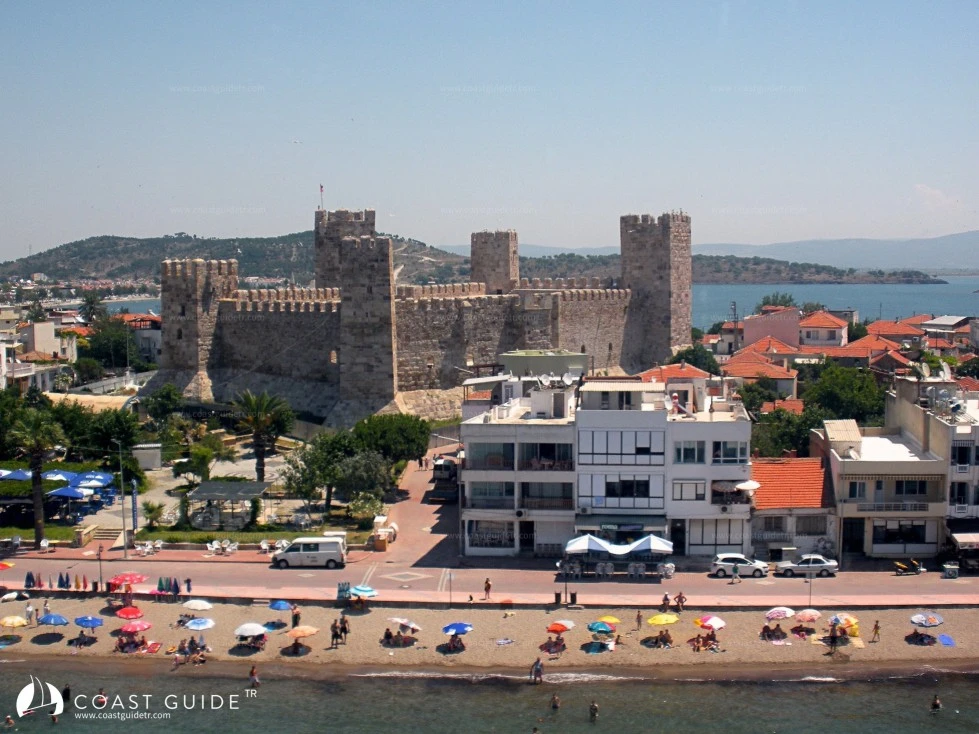
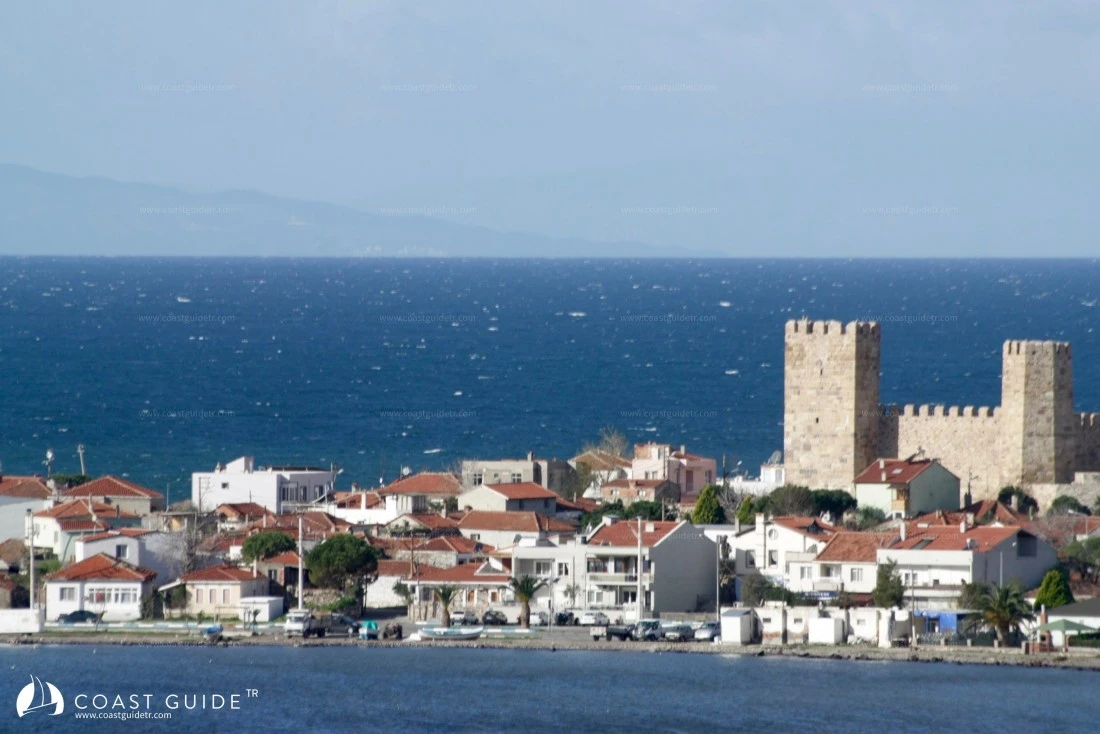
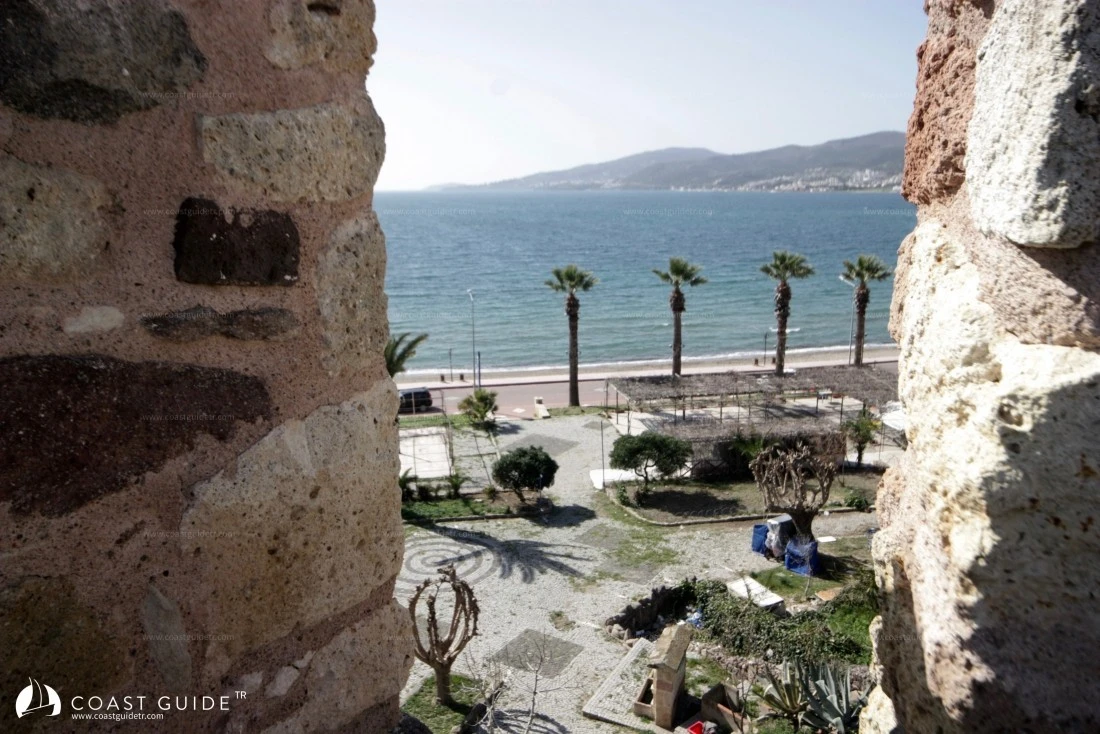
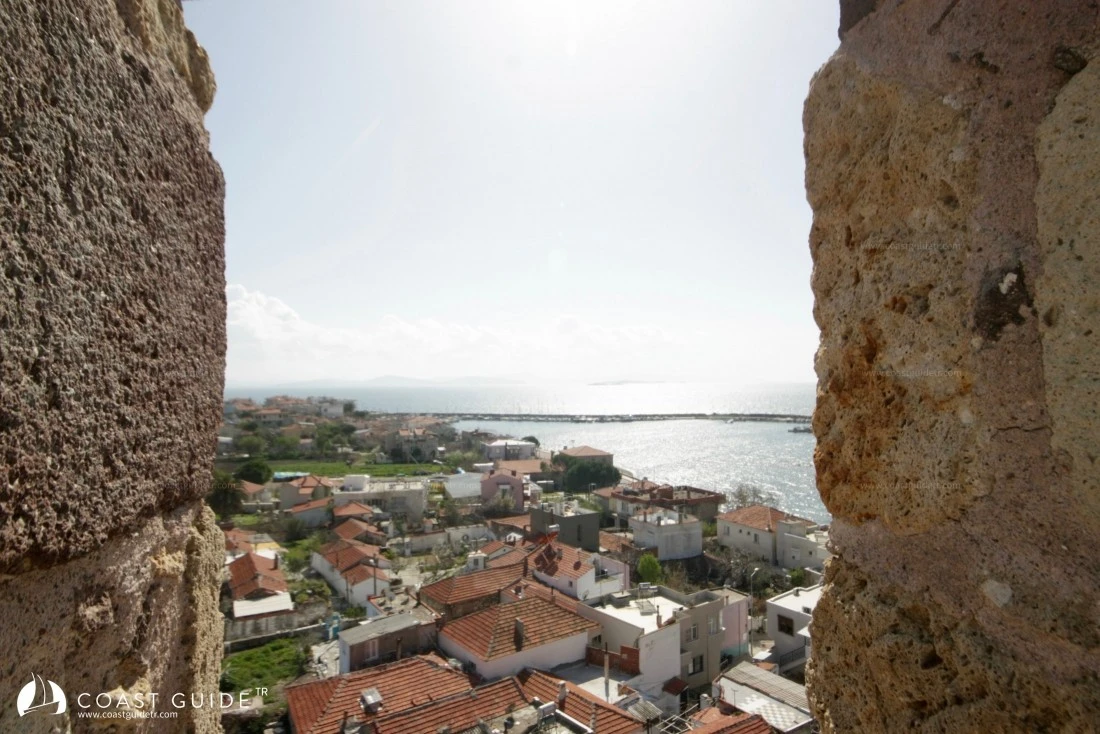
The rectangular-shaped Castle was built by the Genoese in the 13th century. It was renovated during the Ottoman period in the 15th century.
The castle was constructed by terracing the andesite mass to make it suitable for the structure and was reinforced with lateral buttresses.
It has a magnificent appearance with its five towers and embrasures.
Found during excavations; a naked male statue from the Archaic period is exhibited in the Bergama Museum.
Over time, cooperatives established on the hillsides through construction have crowded Çandarlı during the summer months.
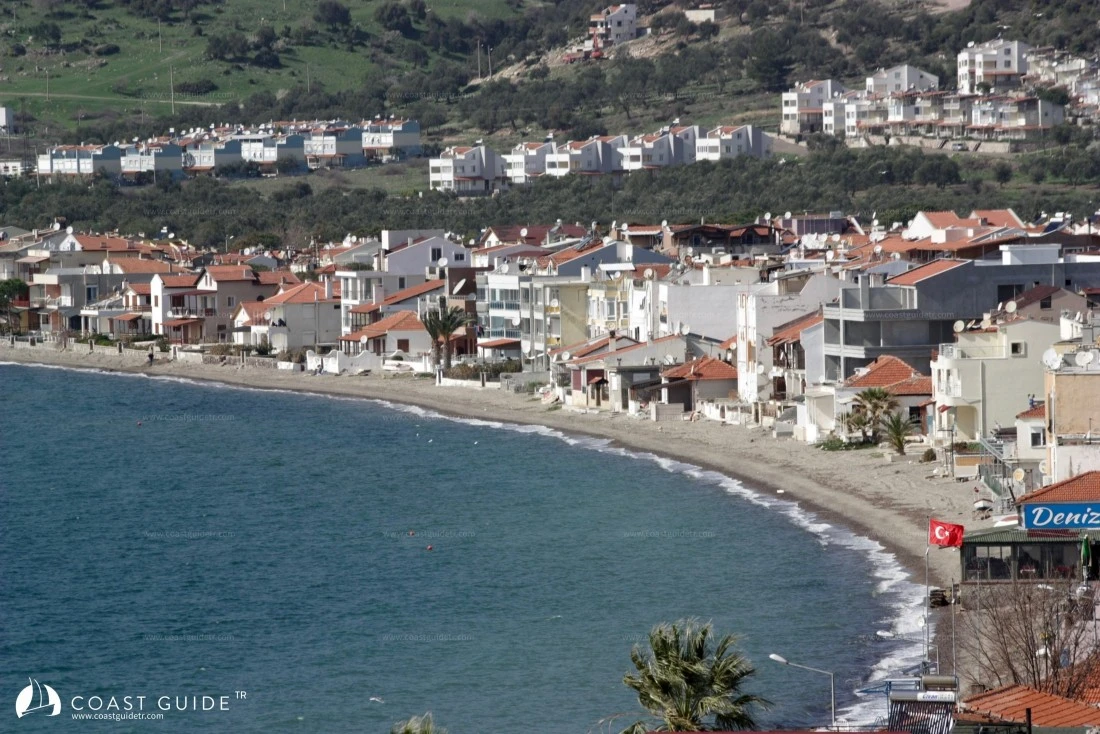
My late father also joined a cooperative here in the eighties. We became acquainted with Çandarlı even during its construction phase.
My favorite part was the market, that natural, authentic village market.
That beautiful market right inside the town center moved to a larger area when the town became crowded, but its traces are still there and I still enjoy shopping there.
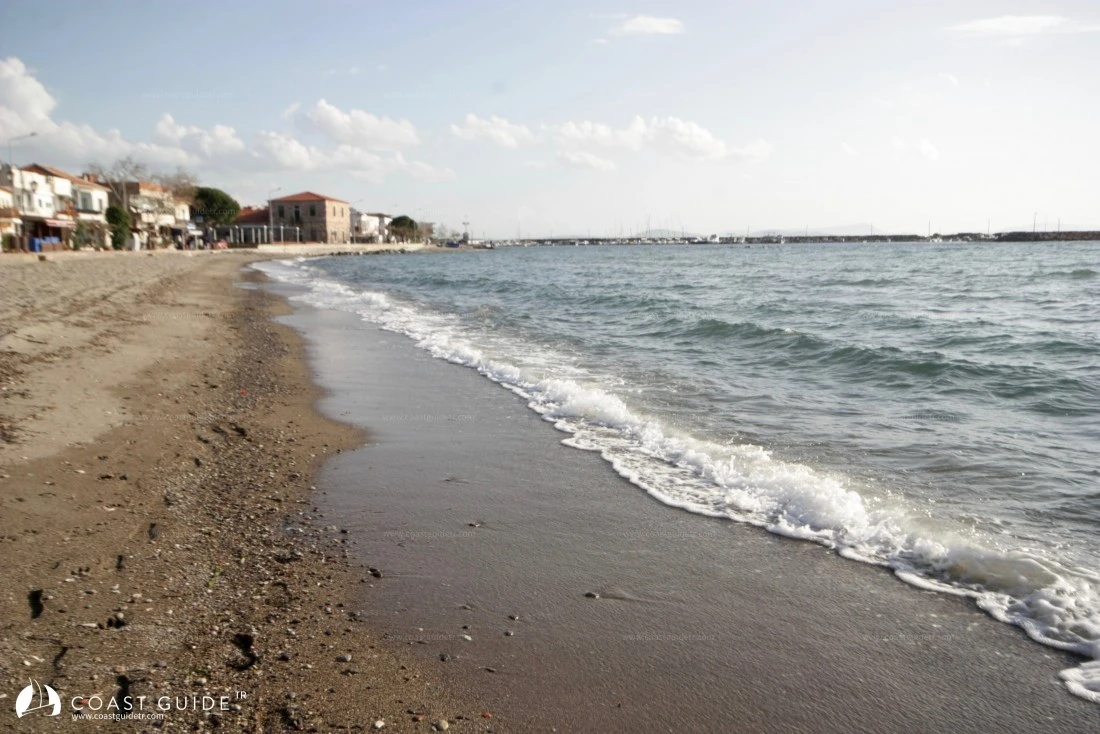
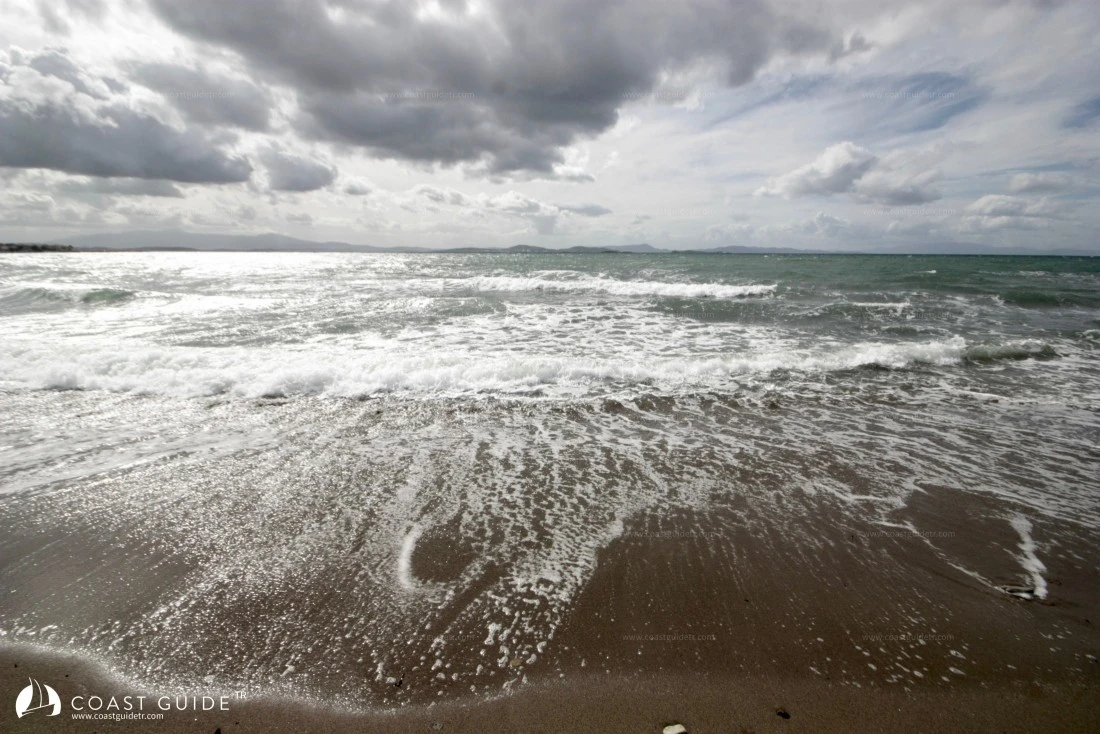
The full-length beach in front of the castle on the western shore is also naturally pristine, rarely seen in today's Turkey.p>
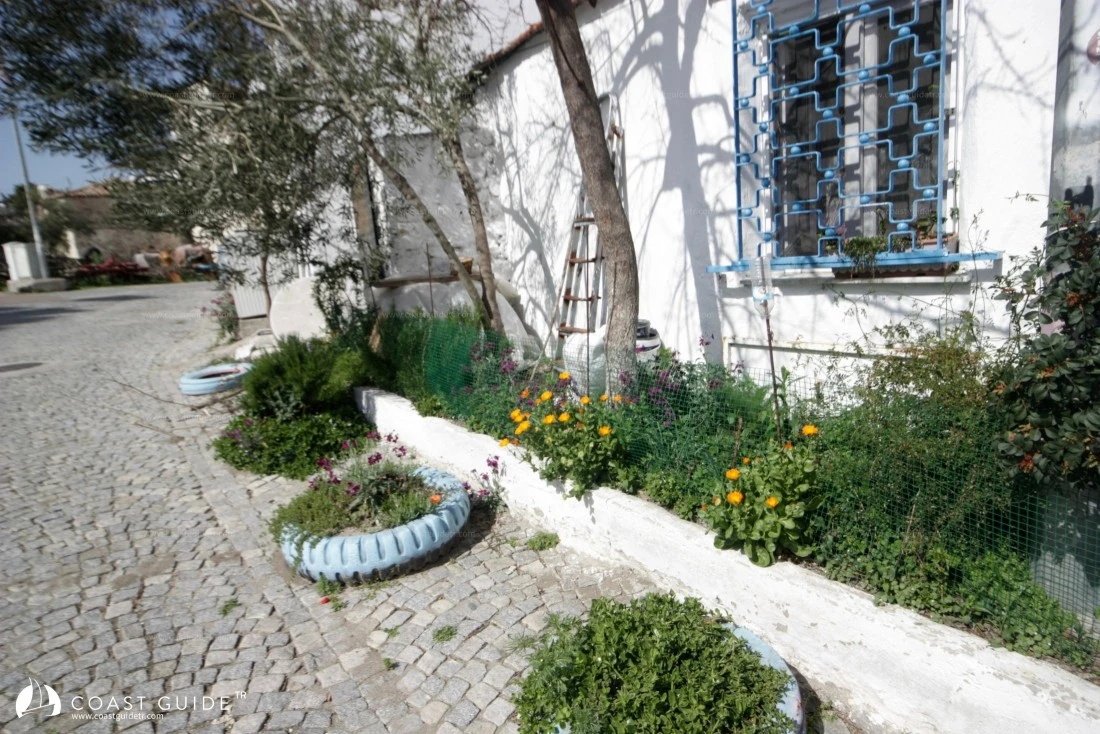
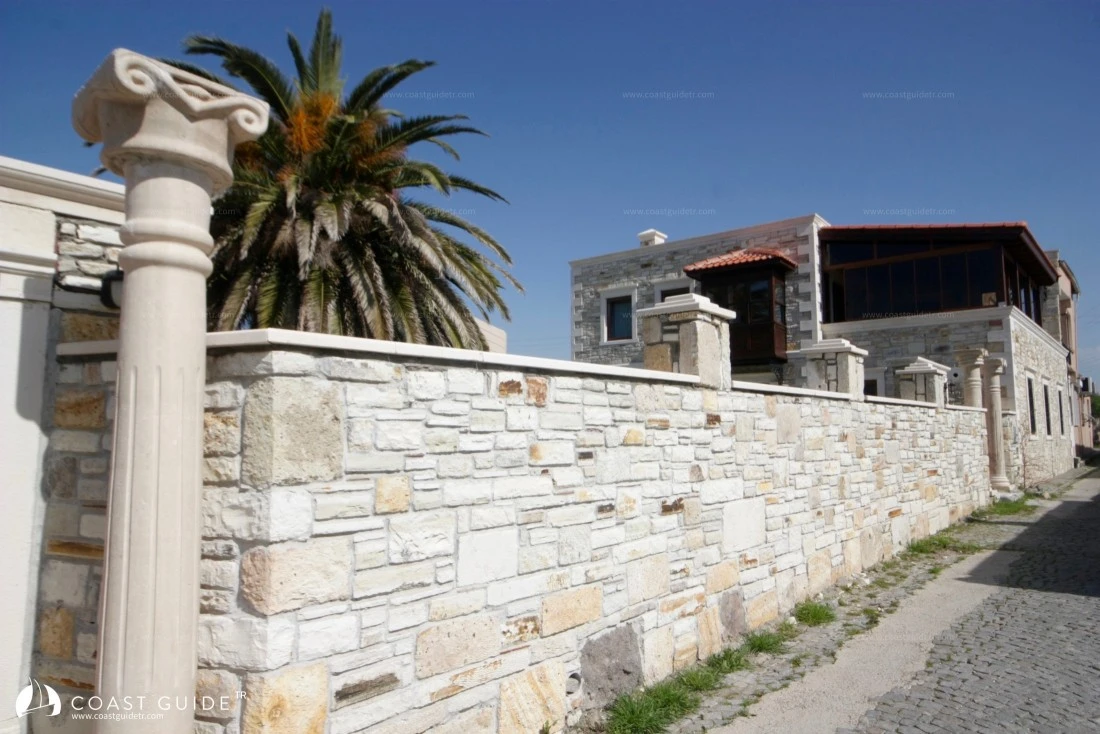
The streets with charming little old houses open up to this beach. Historical remains still emerge from the gardens of the houses.
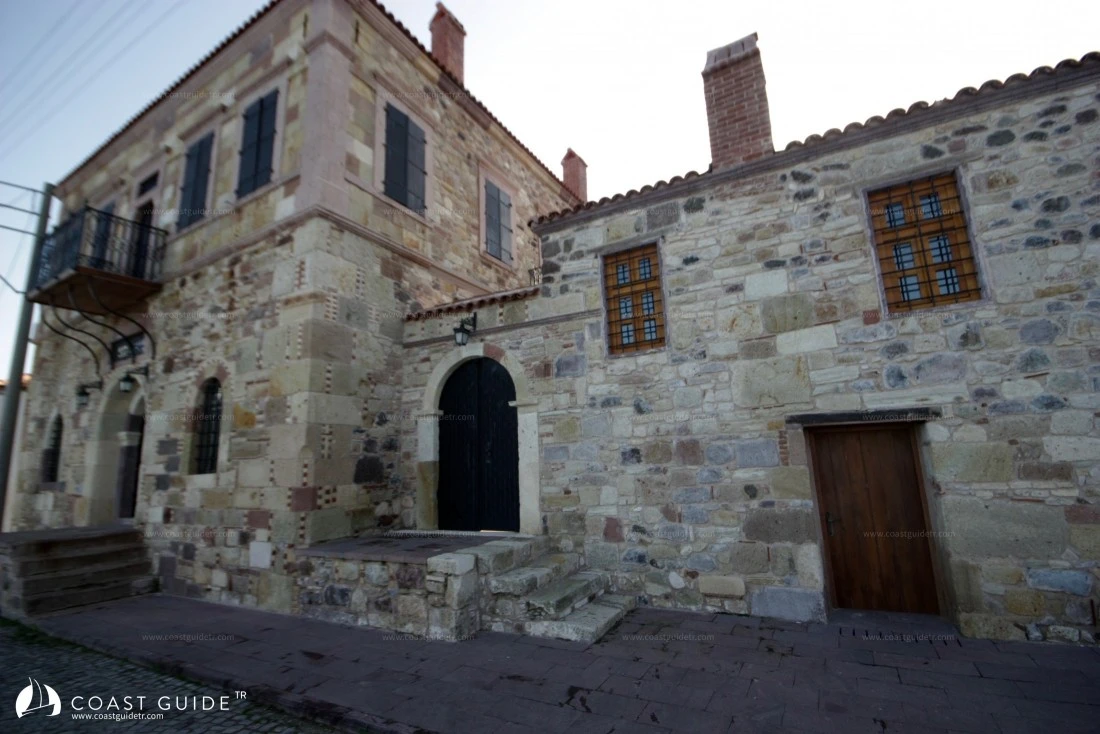
Its well-maintained historic castle stands majestically in the very center of the town, commanding views everywhere.
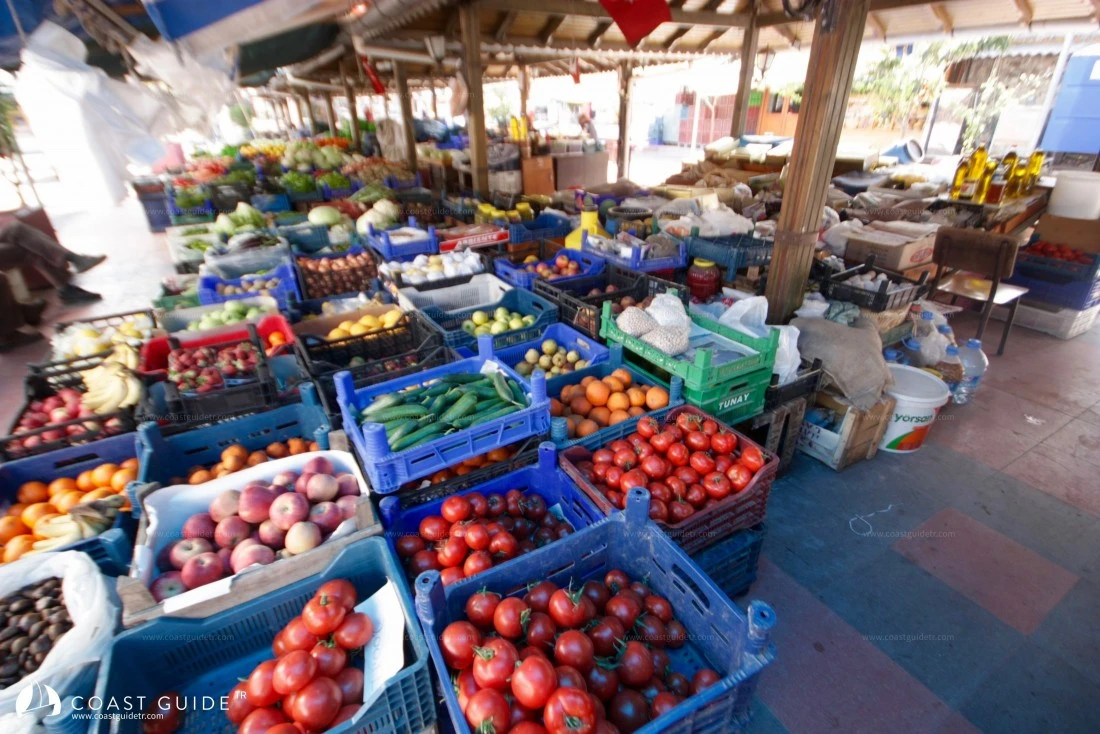
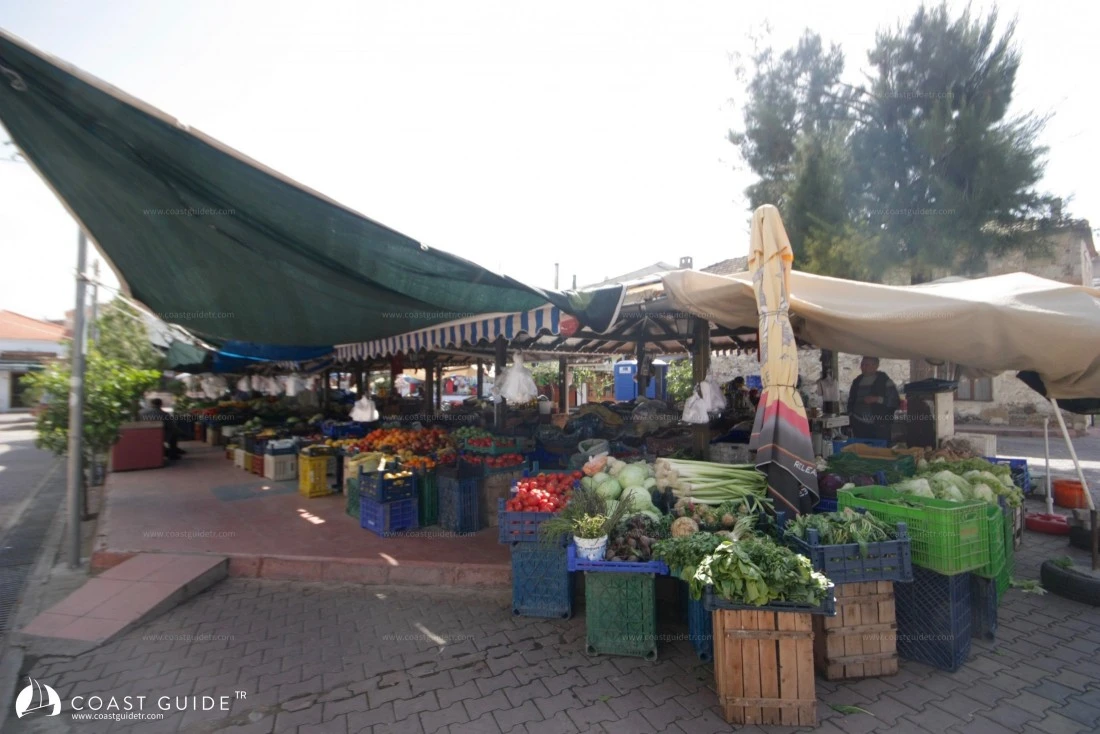
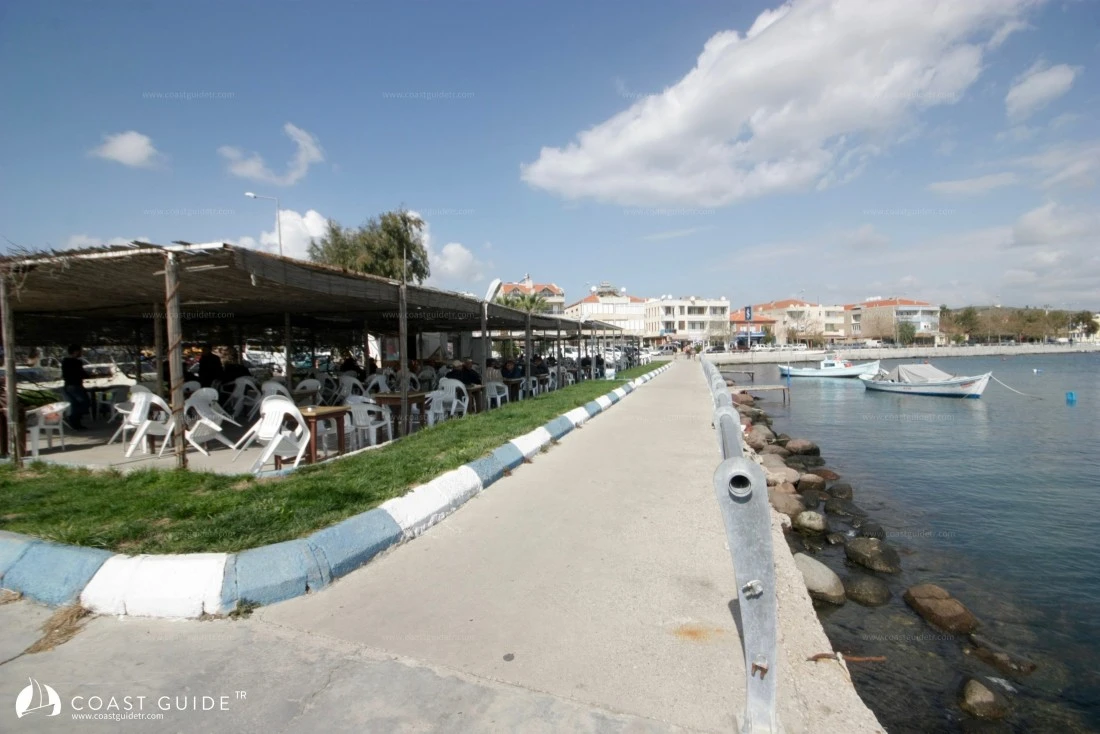
The town's market is set up on Fridays. We would also come to the market, and after shopping, we'd sit on the quay, relax and have something to drink.
My father and I were always drawn to a boat moored in the cove. A well-maintained wooden boat, 7-8 meters in length, painted blue and white, would always be there.
We would dream about buying something similar. One day we saw its owner. He had worked in shipyards in the Netherlands, retired, settled here and acquired this charming boat.
One Friday, he came ashore from his boat. We immediately approached him, trying to satisfy our curiosity.
We struck up a conversation, but no matter what we asked, we couldn't get an answer - we were practically being scolded. We were bewildered. Our intention was to learn how to acquire something like this, how to maintain it, is it easy or difficult?
We weren't going to learn it by force anyway. Later, to satisfy this curiosity and buy a small boat, we even did research along the Aegean coast.
But unfortunately, we lost our father in Çandarlı before we could buy one. After burying my father there, I took steps to buy the boat he had wished for. Finally, the late Altuğ Duransoy, who was then the Çeşme Altın Yunus Marina Manager, found us a boat.
It was a bit bigger than we had thought, but we had achieved our goal. We named the 9-meter single-cabin Tirhandil "Kemal Bey" and came to Çandarlı.
We moored at the quay where the Dutchman's boat was located. Would you believe it, as soon as we tied up, the first person to come alongside was the Dutchman. His house was right across. He started asking questions. Where we came from, who we bought it from, how much we paid, which way we were going.
Well, the pestle turns and the handle turns, but ours didn't turn. I neither said anything that revealed his behavior, nor did I remind him of that day. He didn't even remember anyway. Just a smile inside.
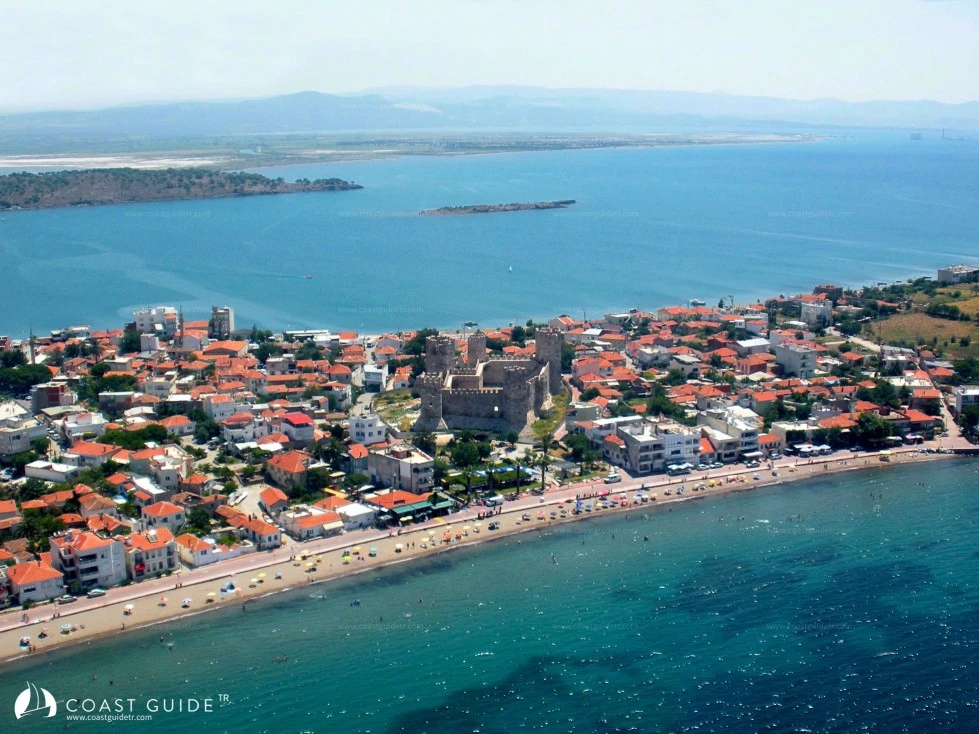
The Çandarlı peninsula has two sides facing the sea. Depending on the wind, it's possible to shelter on both sides.
My fingers are going to the keyboard, I'm about to describe this beautiful town myself. Better yet, let's ask those who were born and raised here, those who settled here. I'll get in between anyway.
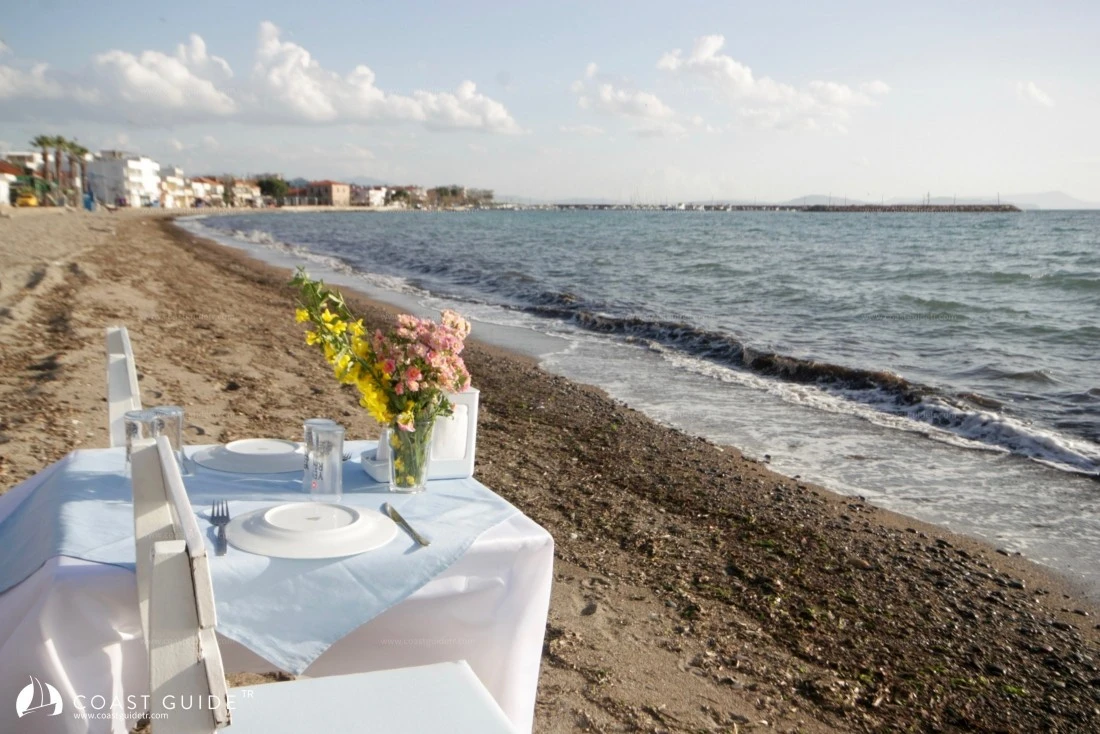
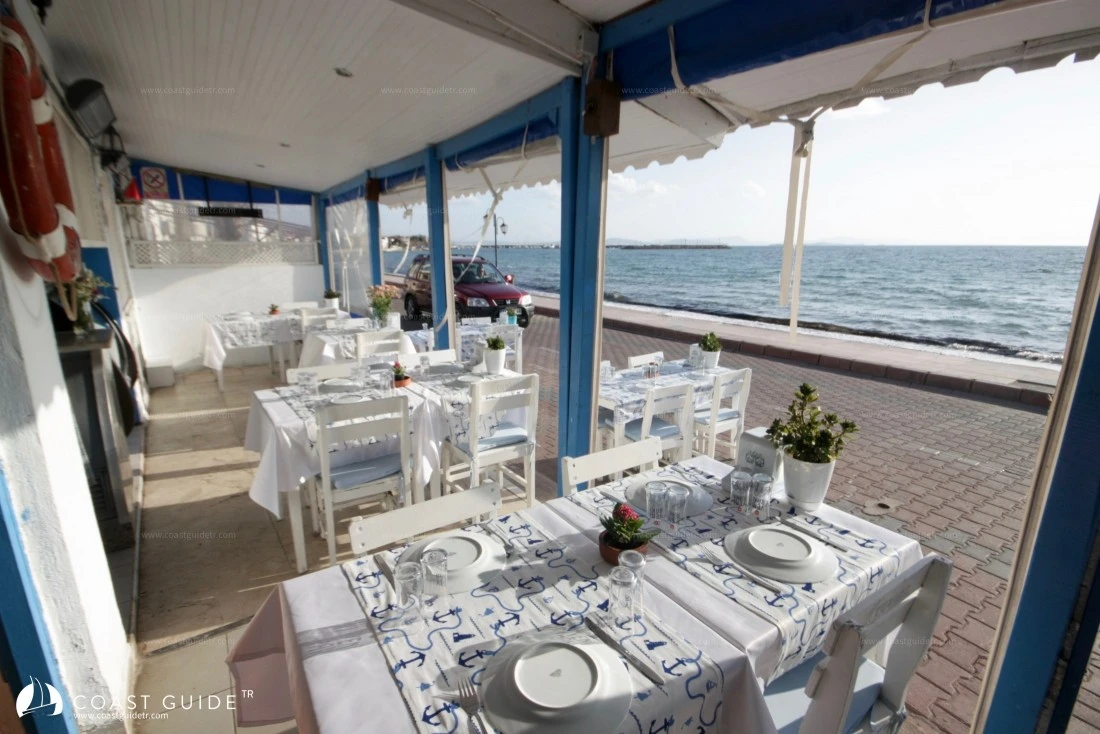
First, we go to a restaurant that is open all year round in front of the beach area before the castle. The business owner feeds the seagulls every day at 4:00 PM. We observe from a distance. From 3:40 PM onwards, seagulls multiply around the area. They swim in groups in front of the beach or fly above us. At exactly 4:00 PM, Mr. Engin appeared on the beach with the feed. Those sounds, those sights - it's a happiness difficult to describe. Engin Uslu, in his own words, is one of Çandarlı's most native residents from father to grandfather. They have a small, charming restaurant. Their children run it. The colors, the presentation make you say "stop here for a bit". We also wanted to stop and get to know them.
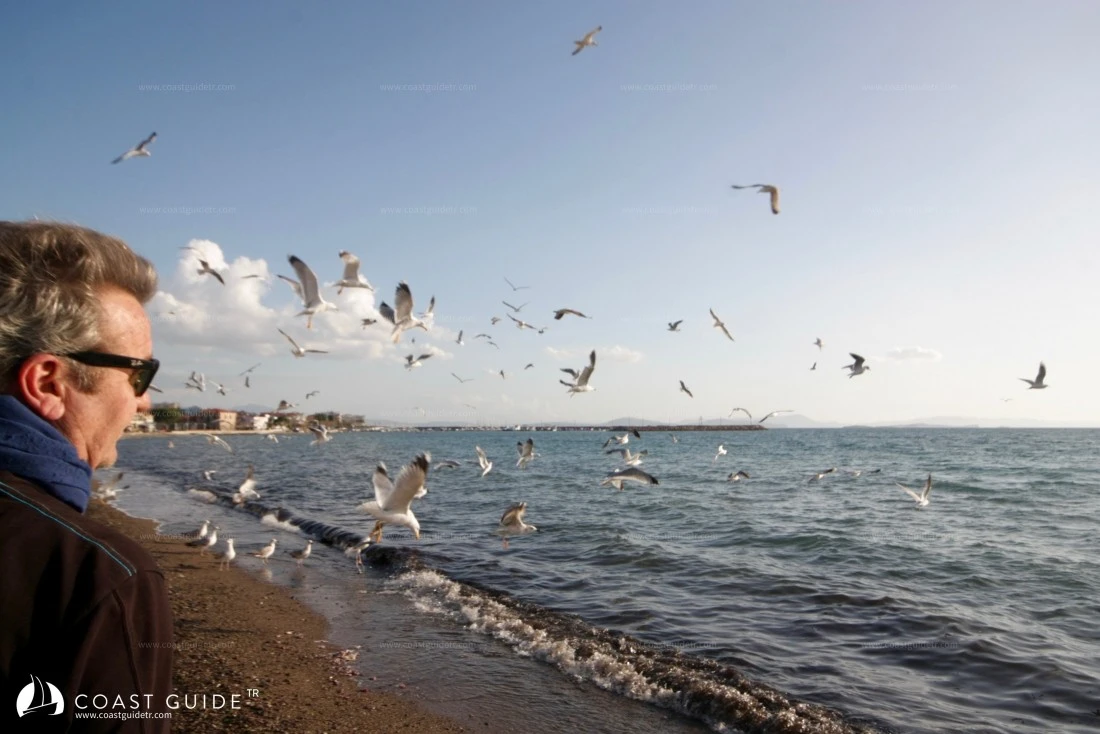
ENGİN USLU
"I'm born and raised from father to grandfather, the most native of Çandarlı." "The city of immortality" is how I describe it. There's everything to live for. I'm in love with my hometown. With its air, its sea, its friendships - it's our insatiable life center.
It gets very crowded in summer now. I love this place very much at all times outside the summer months.
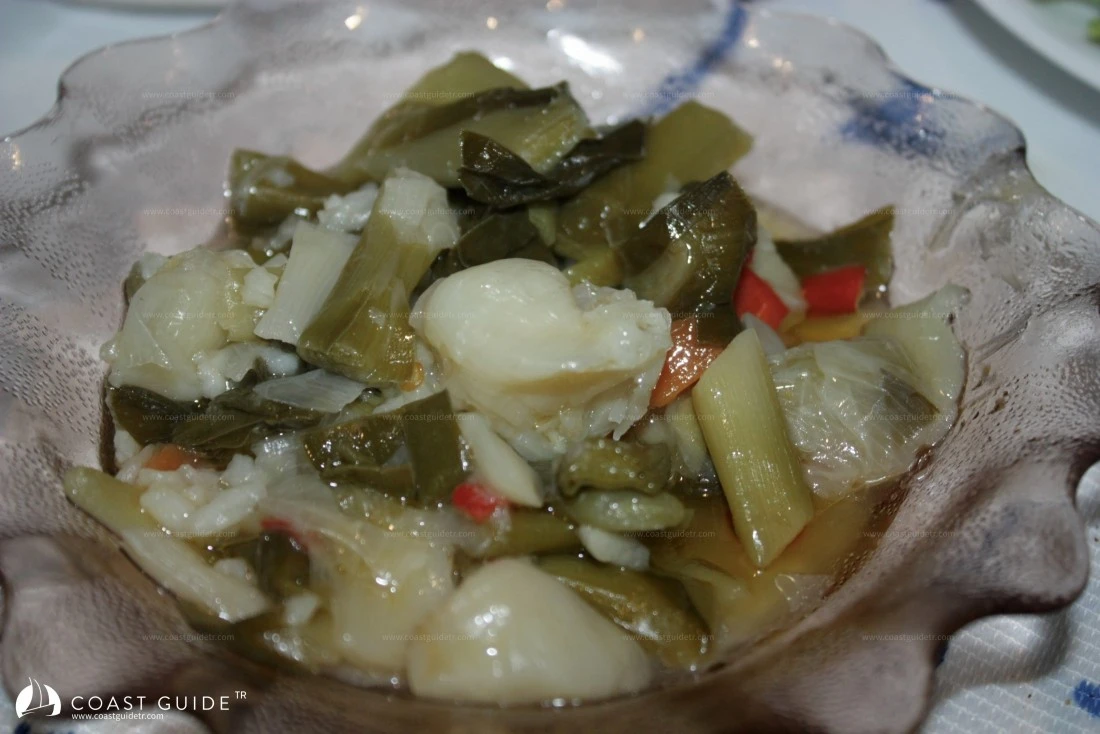
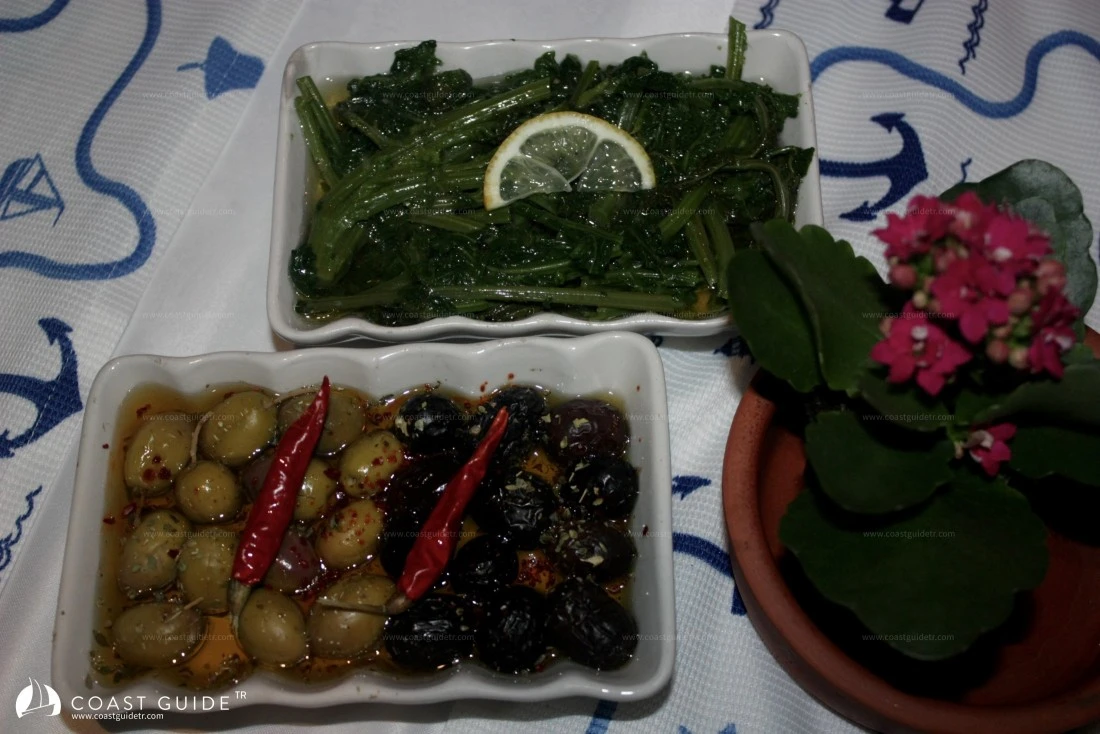
We have a family business by the sea. We're open 12 months a year, intertwined with the sea. We take pride in serving the unique flavors of the Aegean in this beautiful atmosphere. Those who visit the nearby Aegean islands of Lesvos and Chios say they can't find the taste they experience here. My eldest son works the grill, my daughter-in-law who is a teacher and my wife who is a lawyer handle the cold appetizers, and my middle son works as a waiter and does the dishwashing. Our meals contain our happiness and love.
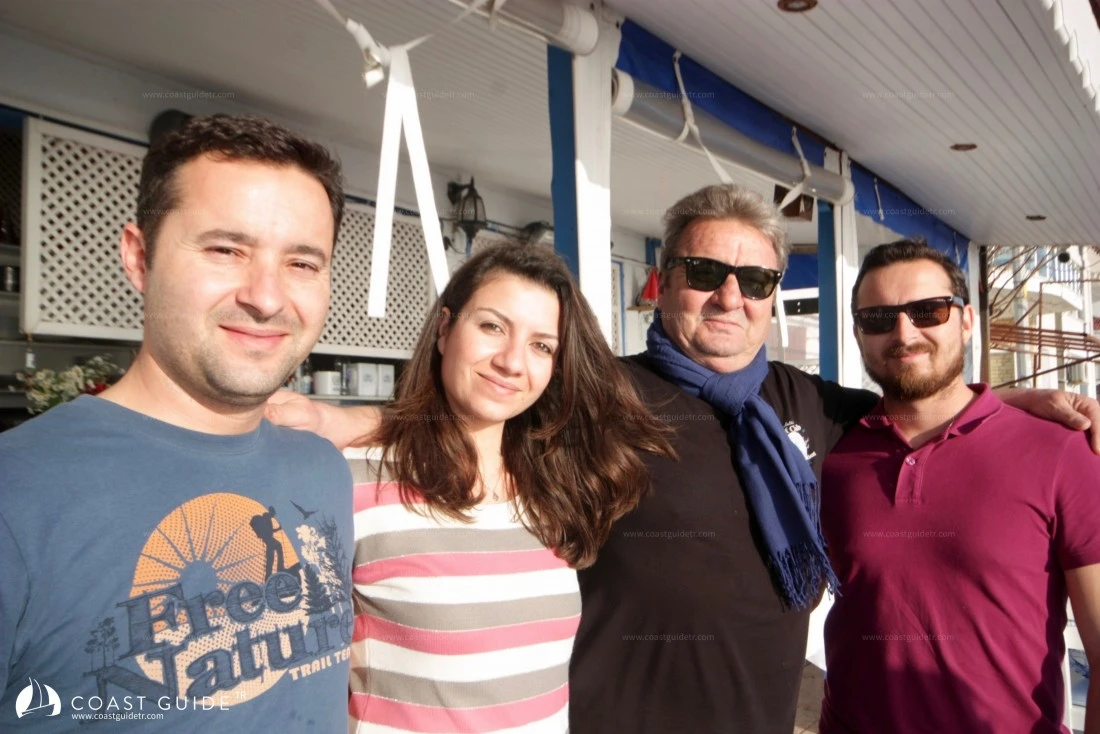
The business belongs to my children. My wife and I help them from time to time. We usually go to the magnificent surrounding coves. We love Çandarlı very much, where we were born, raised, and live."
After leaving Engin Uslu, I'm heading to the tip of the peninsula to meet my childhood friend.
Müjdat has been my friend since I started parachuting at age 15. Our aviation life has continued as amateurs to this day. Even though not very frequently, our relationship has never broken. He still jumps from planes, a true sky and nature enthusiast.
He's an architect and has done construction work in his professional life. He found Çandarlı, which he discovered through a construction project, different from other places.
He's also someone from whom we can best learn about development. Because this issue is very important for Çandarlı. In the past, there were practices here that could be called "Cooperative Cemeteries." It was a land of started and unfinished construction projects. Enthusiasts would pay, contractors would evaporate.
p>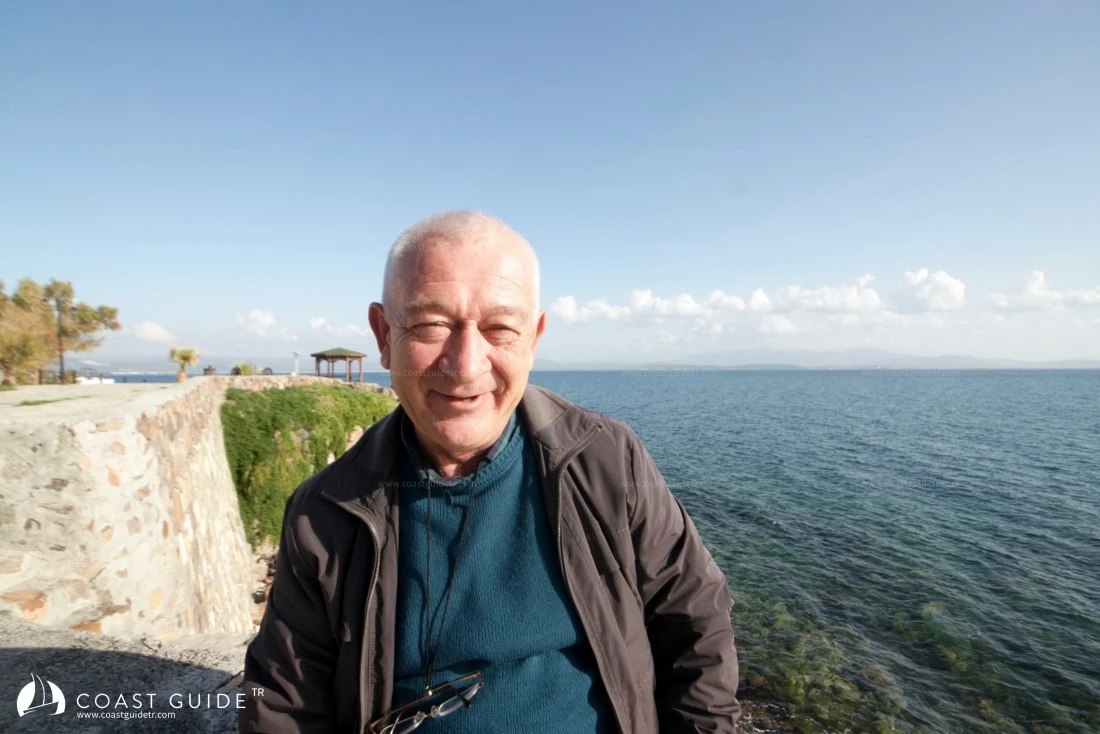
MÜJDAT SÜZEN
"18 years ago, a friend of mine suggested I should build in Çandarlı. At that time, I was doing cooperative business in Selçuk district of İzmir. What was requested from me here were luxury residences. Until that day, we had hesitated because the quality of housing in the region was low. But when we built it, we saw that we had become an example. This process connected me to Çandarlı.
Apart from its construction, I love Çandarlı very much. Wasted lands and different architectural styles are Çandarlı's soft spot. The only consolation is that construction cannot be carried out in areas declared as protected sites.
It's very good that these areas remain as green spaces. History springs from everywhere. Even under the roads built hastily or carelessly, there are floor mosaics and remains.
Here, I fell in love with nature and people.
I can call it a town of people who are not ambitious, living in modesty and at peace with themselves. You cannot see anyone quarreling or arguing.
Our country has a population that embraces our Republic's values. Official holidays like October 29th are celebrated more heartfelt and with more enthusiasm in Çandarlı. Even torch processions are held.
I also worked abroad for 17 years. I couldn't find the peaceful atmosphere here anywhere else. My brother and his family also settled in Çandarlı from Amasya. We are all living the happiness together."
We will continue our conversation where we left off with Müjdat, with a physician living in Çandarlı, right on the cape where the sea meets the land. He's a doctor at Dikili Emergency 112. He commutes to work by bicycle every day. A nature lover, a man of philosophy.
We asked him why he settled in Çandarlı.
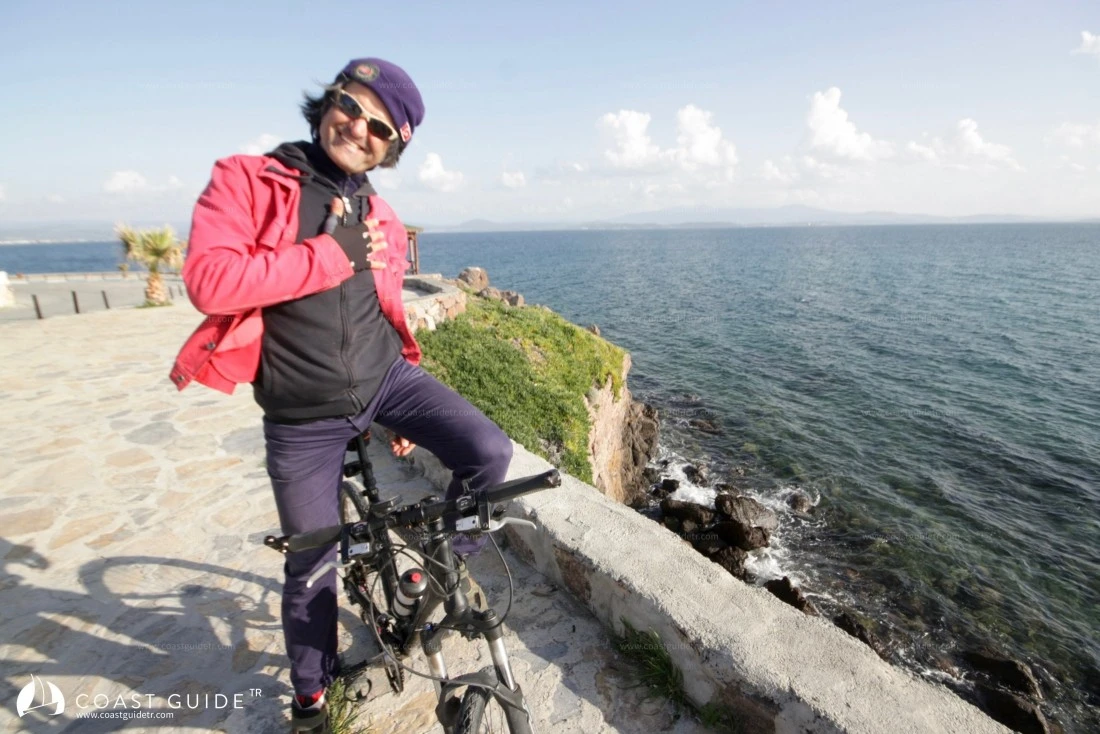
MESUT KERİM TEMİZTÜRK
"I was born in Rize Pazar. After medical school, I worked in Mucur and Ankara. My love of the sea, the desire to see open waters and the vast expanses brought me here 15 years ago. I'm living exactly where I was looking for. The sea is always before me. Open sea, not enclosed. We are the latest inhabitants of this historic region. The seeds of wisdom have been sown in this region. There is an abundance of knowledge. Outside of my work, I'm interested in the archaeology of the region I live in. I go to my work in Dikili by bicycle in all conditions. I don't like automobiles. I love natural living, quite far from technology. I'm in the right place for that."
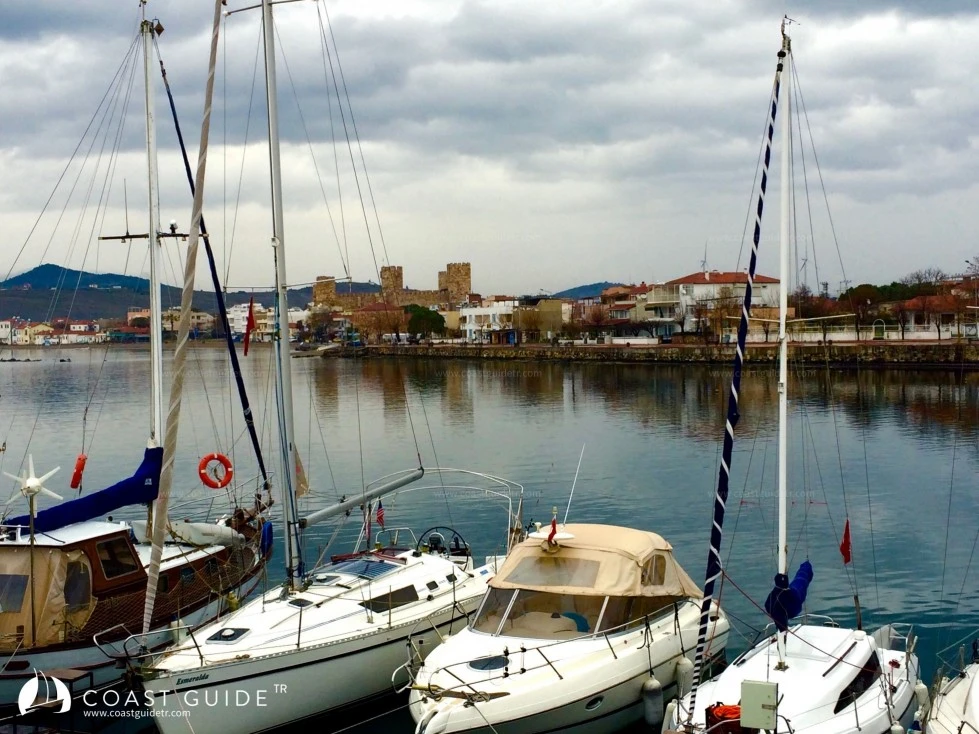
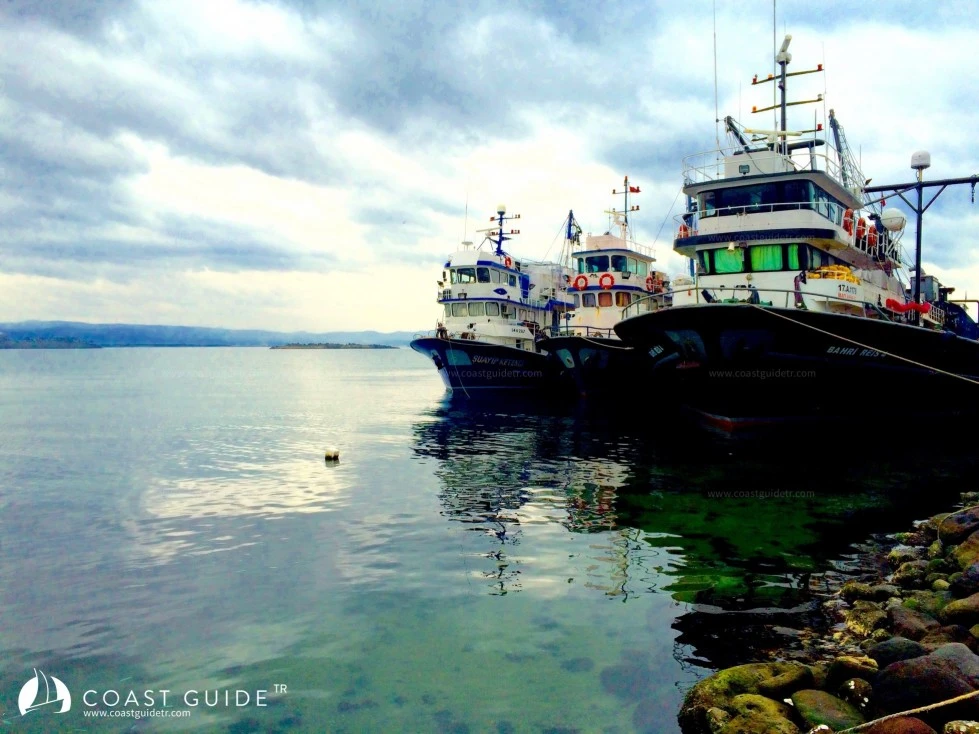
We're moving from the peninsula to the fishing harbor. We're heading to one of the new homes for us amateur sailors, with its recently built quay, pedestals with electrical and water connections, and lighting.
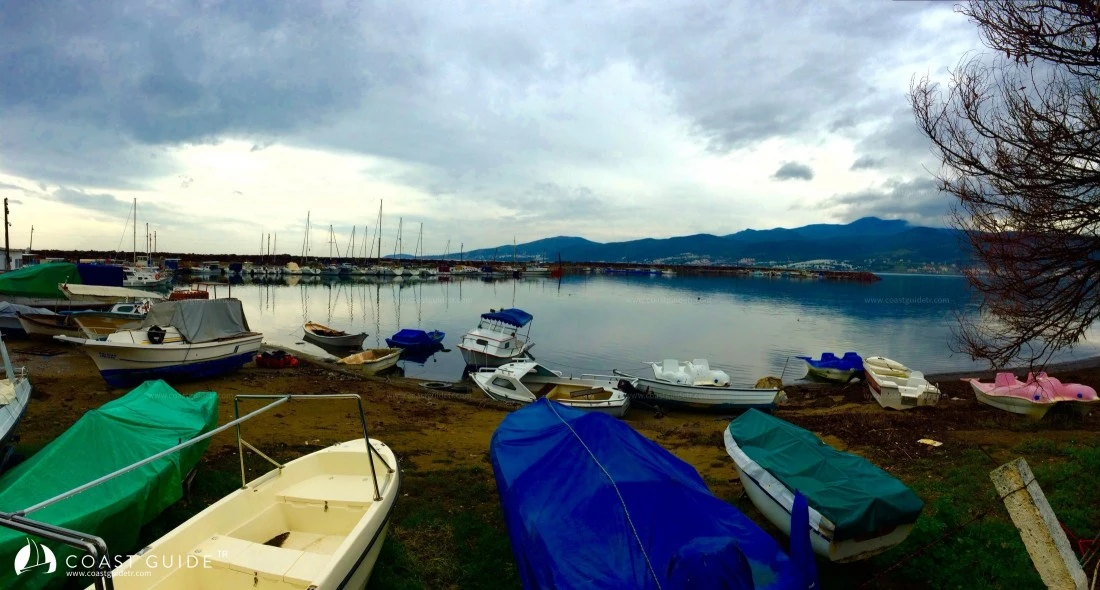
As fish die in our seas, fishing is also disappearing, and boats are diminishing. Amateur sailors' boats are being berthed in harbors where fishing boats are declining. It's the same here. Amateurs have started to improve the harbors, both by mobilizing local administrations and with their own resources.
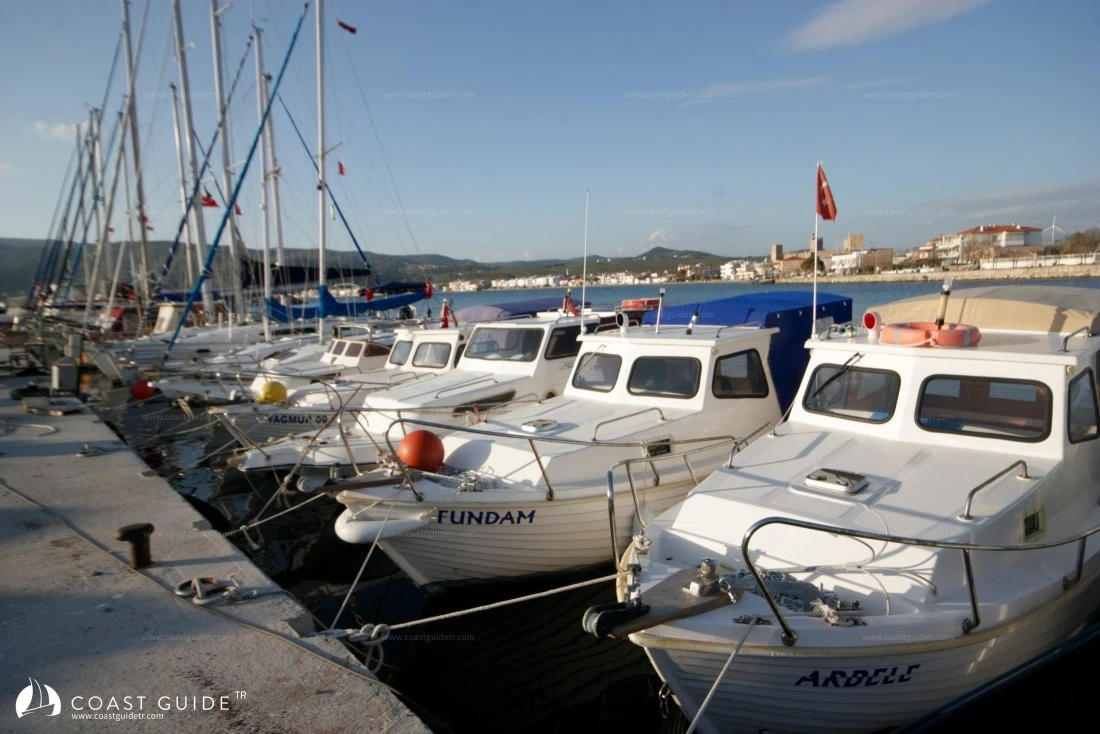
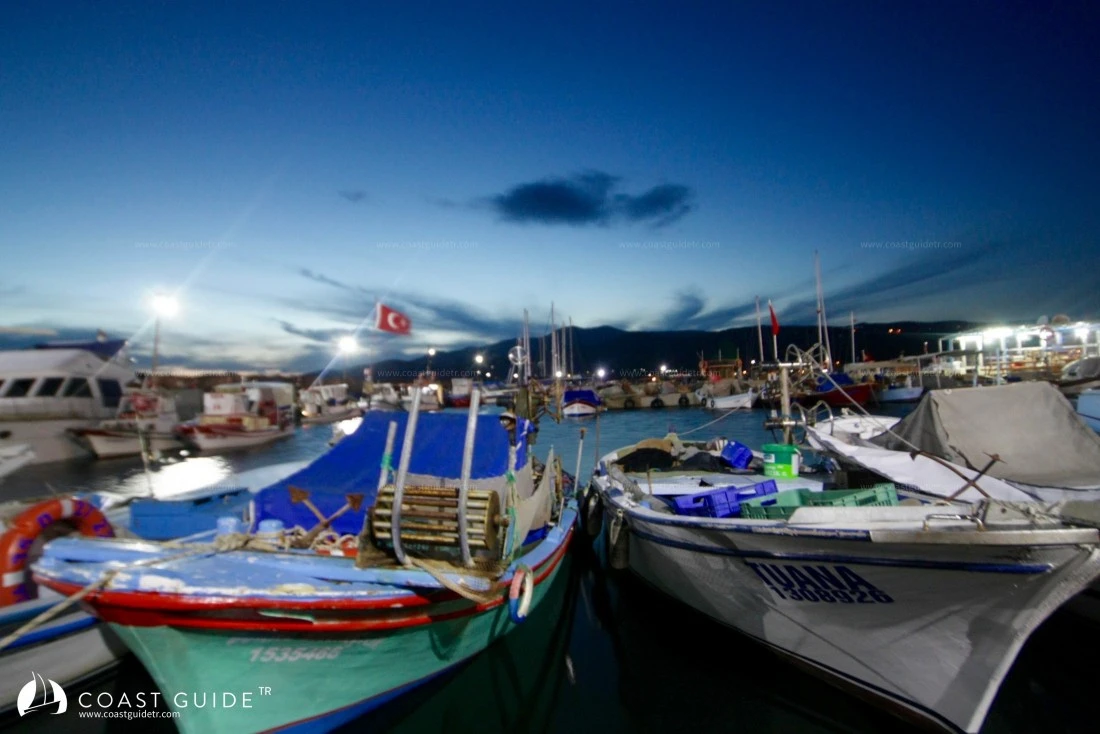
Their only wish is for these places to be living marinas. In other words, not a place where boats are left and abandoned. They want it to be lived in, around it.
When we enter the marina, we find sailors chatting on the quay, we talk.
Veteran sailor friend Caner Güçal summarizes what's being said.
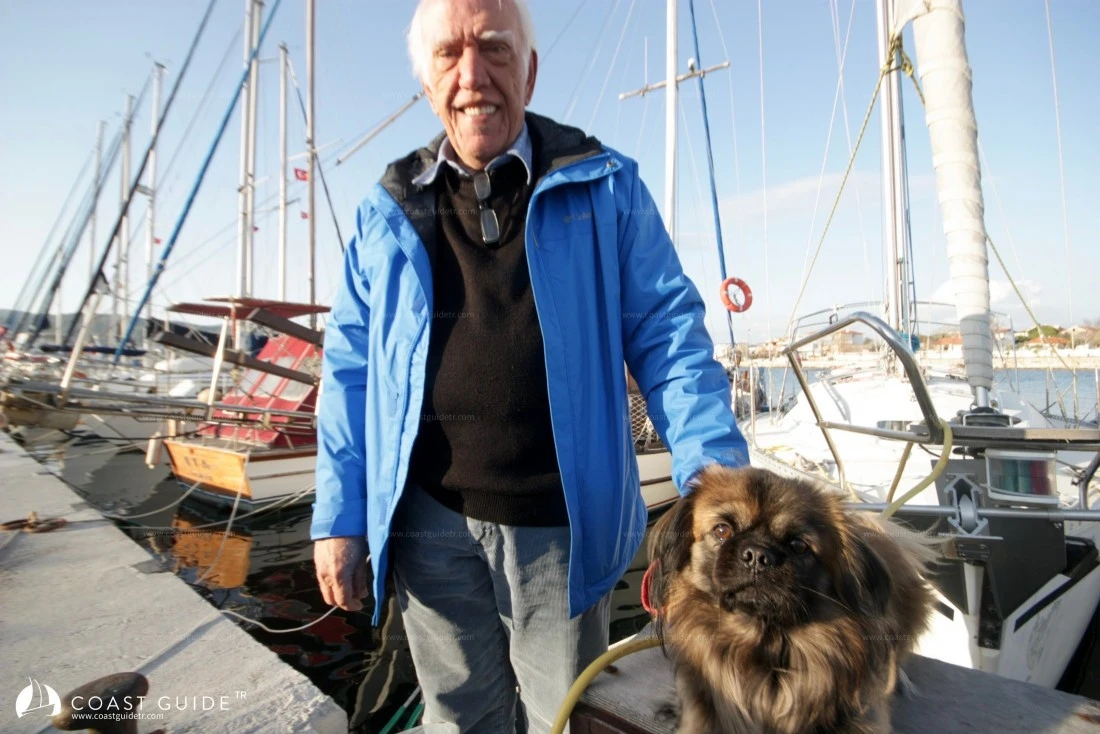
CANER GÜÇAL
"Çandarlı is my hometown. But no one from the family remains. I settled here 12 years ago. It's much more comfortable than İzmir.
The water bill comes to 20 TL, you can imagine the rest.
The air is clean, plenty of oxygen. A little sleep is enough. People feel healthy here. Most importantly; the people are excellent.
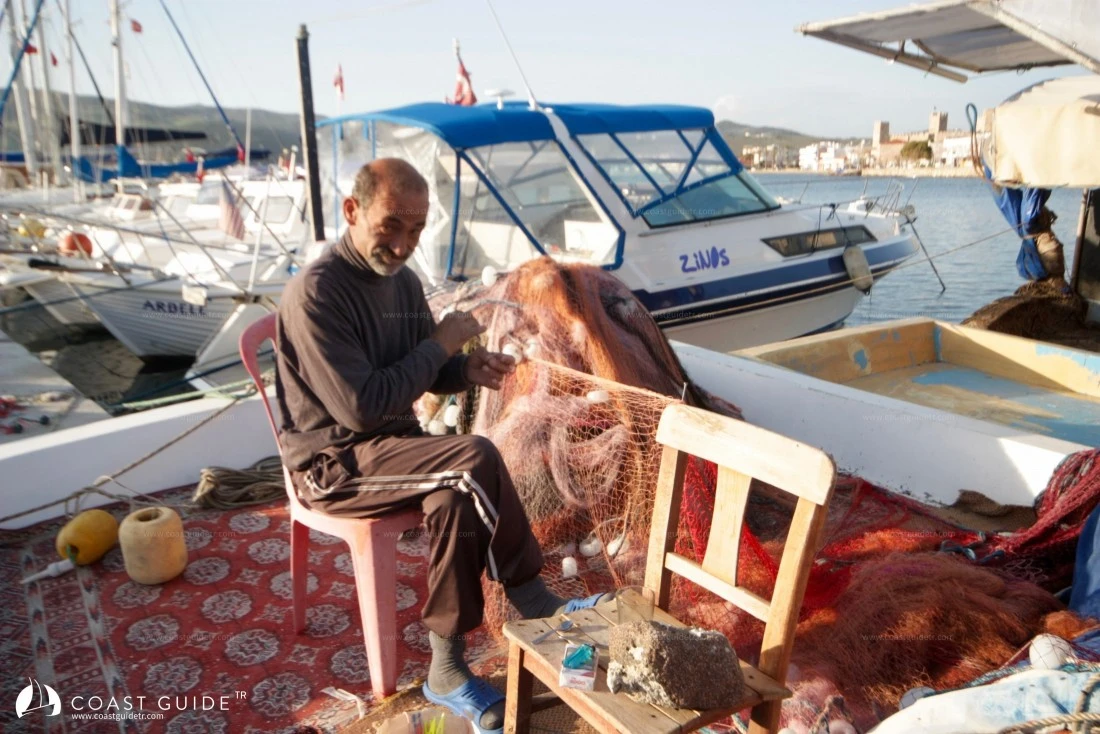
A place where we fully enjoy sailing. Our boats are in the marina.
First, a quay was built for our current marina. Then electricity and water were connected.
There are 35 amateur boats moored in our marina. Most of them are sailboats. We laid our own moorings. We live very comfortably and amicably in the marina. Fighting, quarreling, bickering, and conflict are far from here.
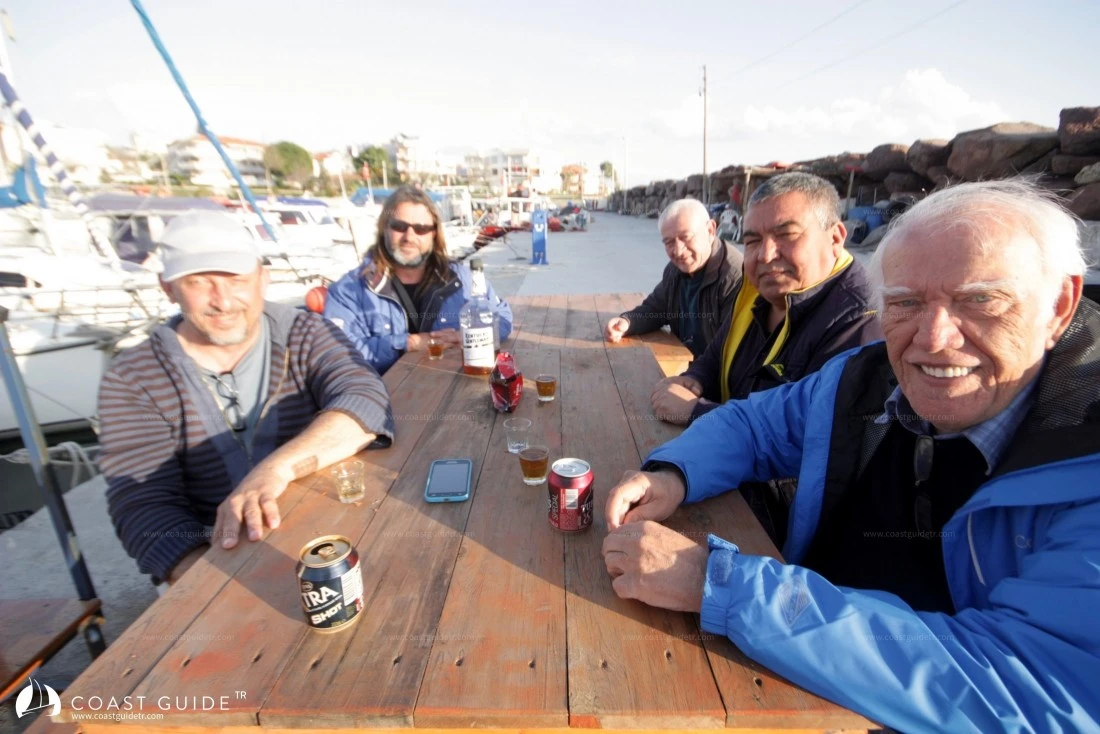
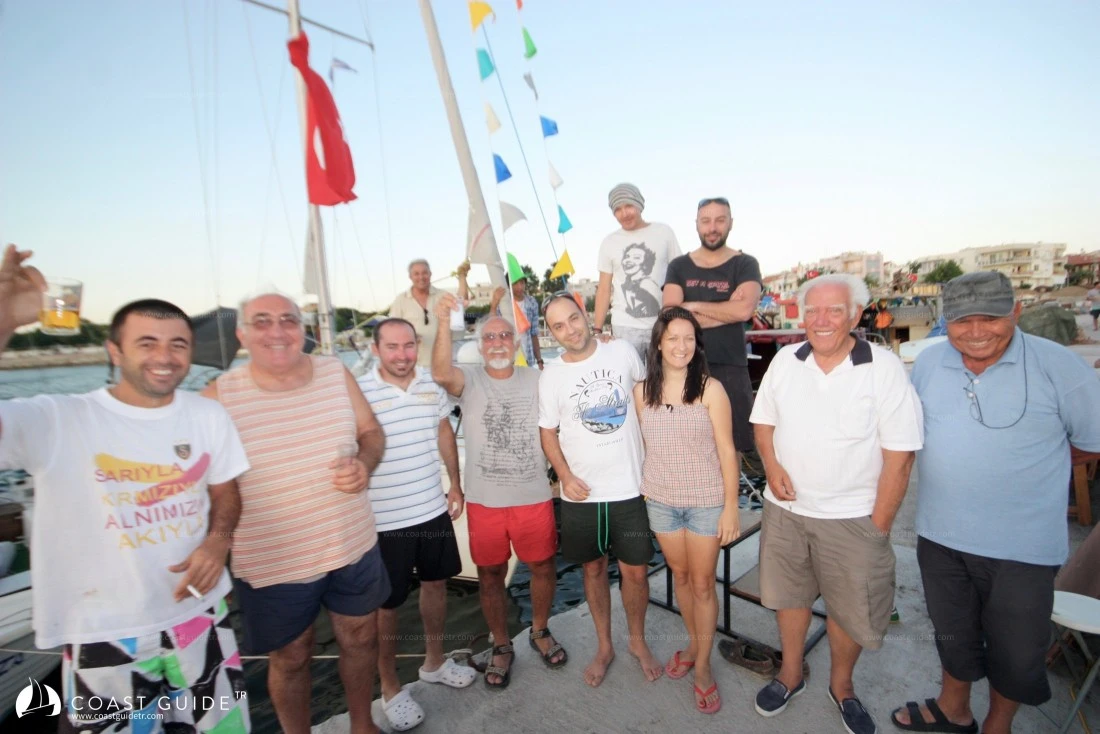
As a marine environment, it's also very adequate. The wind is excellent especially for training.
"There's only a lack of water circulation in our harbor. We've been warning about this since its establishment, we've fought for it, and unfortunately we haven't been successful. Because there's no circulation, the already shallow harbor is filling up."
There's another friend among the sailors. We first met him here years ago as a pharmacist. He still performs that duty. A born and bred Çandarlı native. Is it possible to live in the sea and not be a sailor? He's caught the bug like the rest of us. And he's taken on a mission. He serves as the president of Çandarlı Sailing Club.
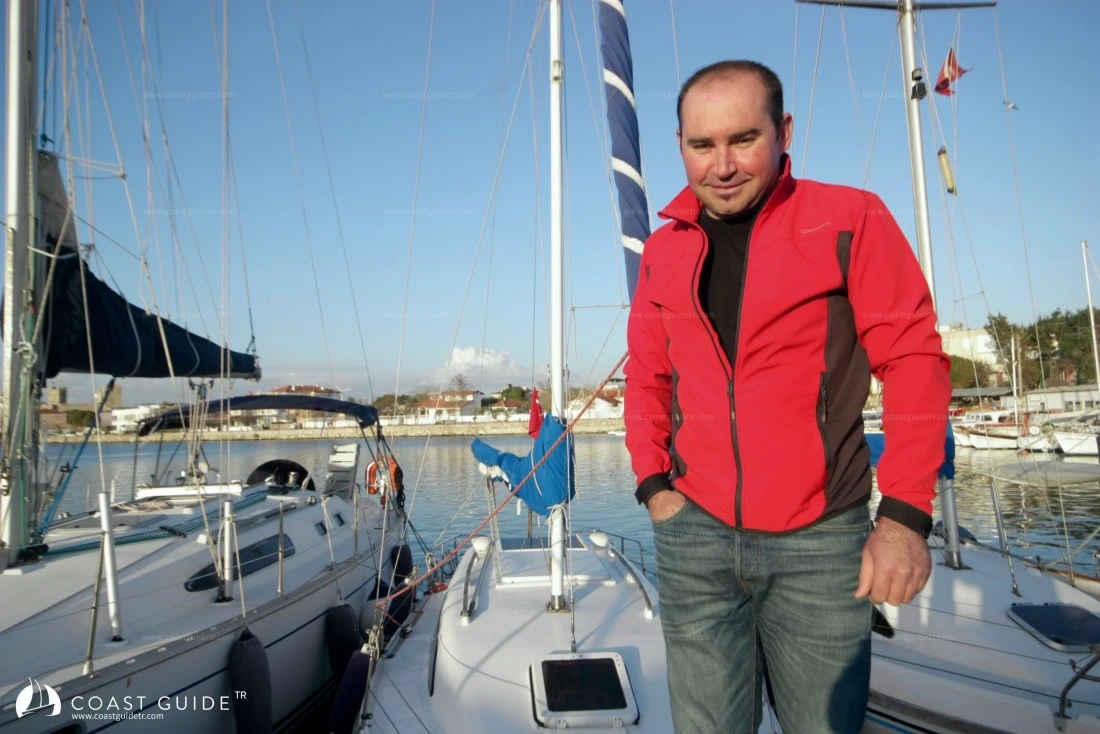
EMRAH HARUN KÖLECİ
"I'm a born and bred Çandarlı native. I started sailing in 2003 with a small boat, learning through trial and error. Most recently, I'm the owner of a Gofi 21 boat. We're berthed at the harbor and we're in a wonderful sailing community.
In the town of wind, we also established Çandarlı Sailing Club. We have 10 Optimist dinghies and one coach boat. We bought the dinghies, the municipality bought the boat.
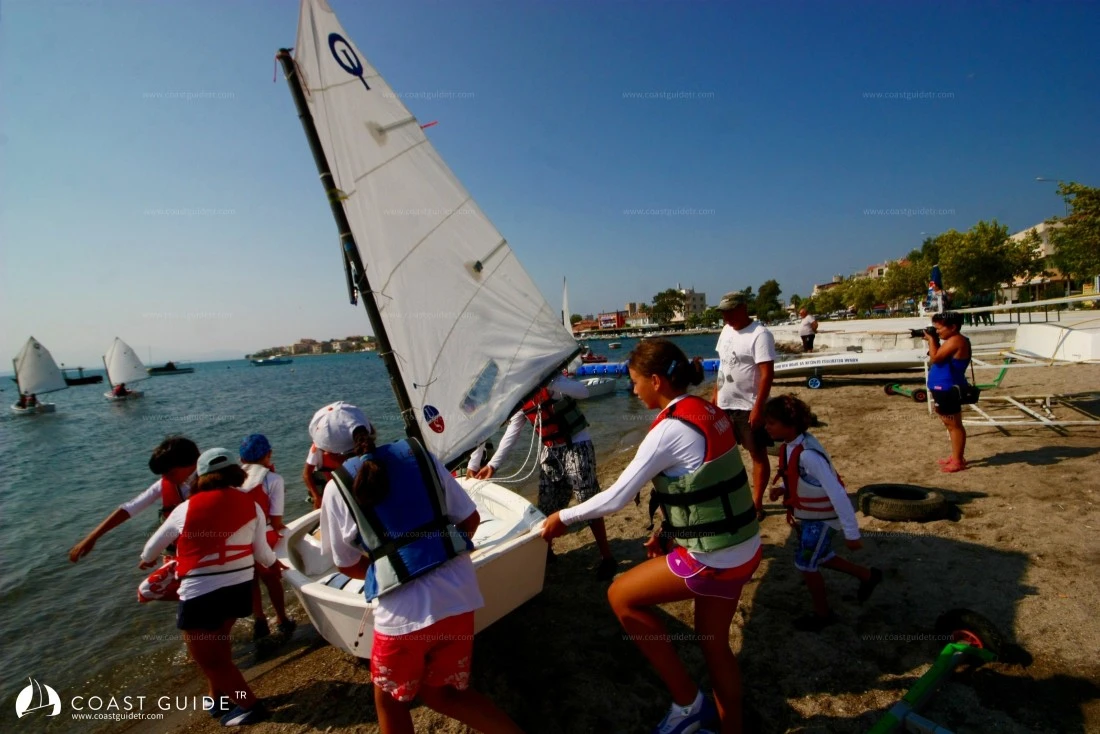
Our club's activity intensity falls during the summer months. We introduce 45 students aged 7-12 to this sport every year.
Twenty percent of our athletes are from Çandarlı, eighty percent consist of children from summer homes.
We want to extend our activities throughout the year. For this purpose, we're searching for a coach."
The Çandarlı region has been among the areas where human smuggling by sea has been intense in recent years. The activity in this regard, both by land and sea, is remarkable. Particularly, thefts of small boats and outboard motors from the shore are quite numerous. We wanted to ask someone who knows the situation. We went to the industrial zone and listened to an authorized engine workshop owner and amateur fisherman friend.
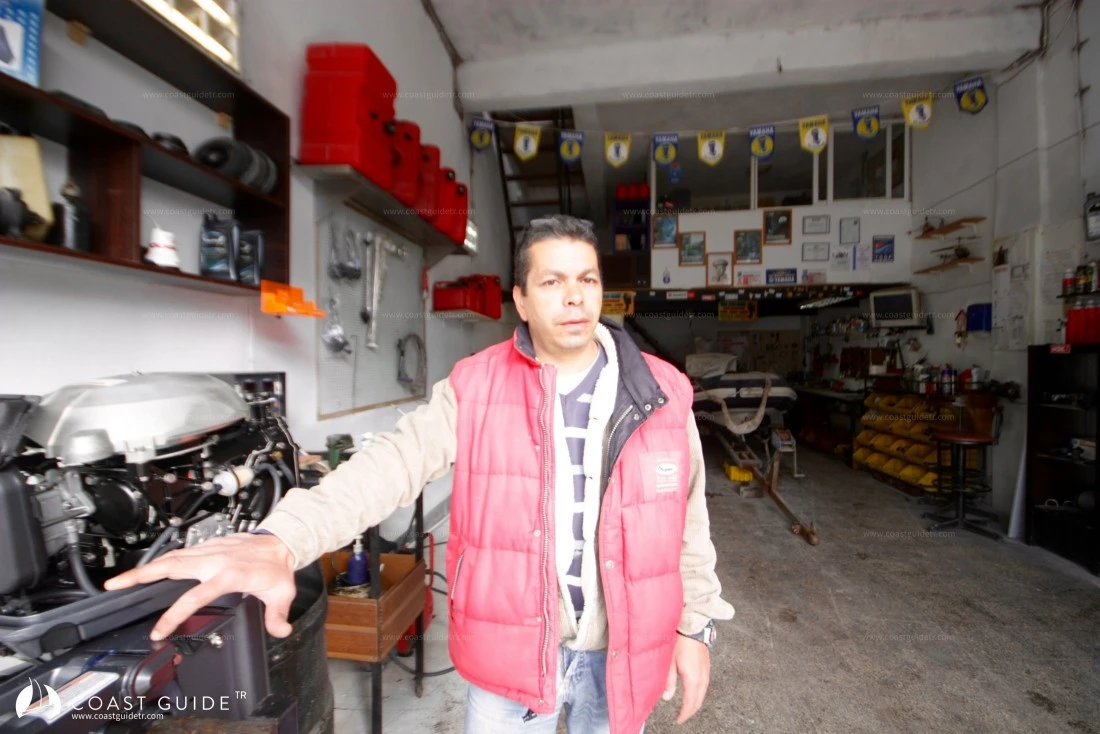
AYKUT GÖYMEN
"I had homes in Foça and Çandarlı. I came to sell the house in Çandarlı. That day I went diving. I was amazed by its sea, the fish diversity and abundance. I got to know the people and decided to stay connected to this place.
I had come 15 years ago, and 7 years ago I opened this workshop. We are the only authorized service between İzmir-Ayvalık. In the beginning, our business was very good, but difficulties started in recent years. Illegal immigration activities are very intense in our region. Outboard motors and boats are being stolen from marinas and backyards of houses from the shore. Unfortunately, this cannot be prevented. Unfortunately, boat enthusiasts don't want to buy new ones to replace the stolen motors, fearing they will be stolen again. Already, due to this smuggling business, engine prices have skyrocketed. No one can afford them anymore. It seems difficult for these diminishing marine vessels and engines to multiply again. Our businesses have reached such a poor state that they are about to close. Additionally, on one side of Çandarlı, the Bakırçay, which carries industrial waste into the sea, flows, and on the other side, municipal wastewater pollutes the sea because insufficient chemicals are used. Fishing has penetrated to the shores, nets are being cast.
Uncontrolled fishing with 11 lighted boats from the beginning to the end of the bay, depleting the fish population.
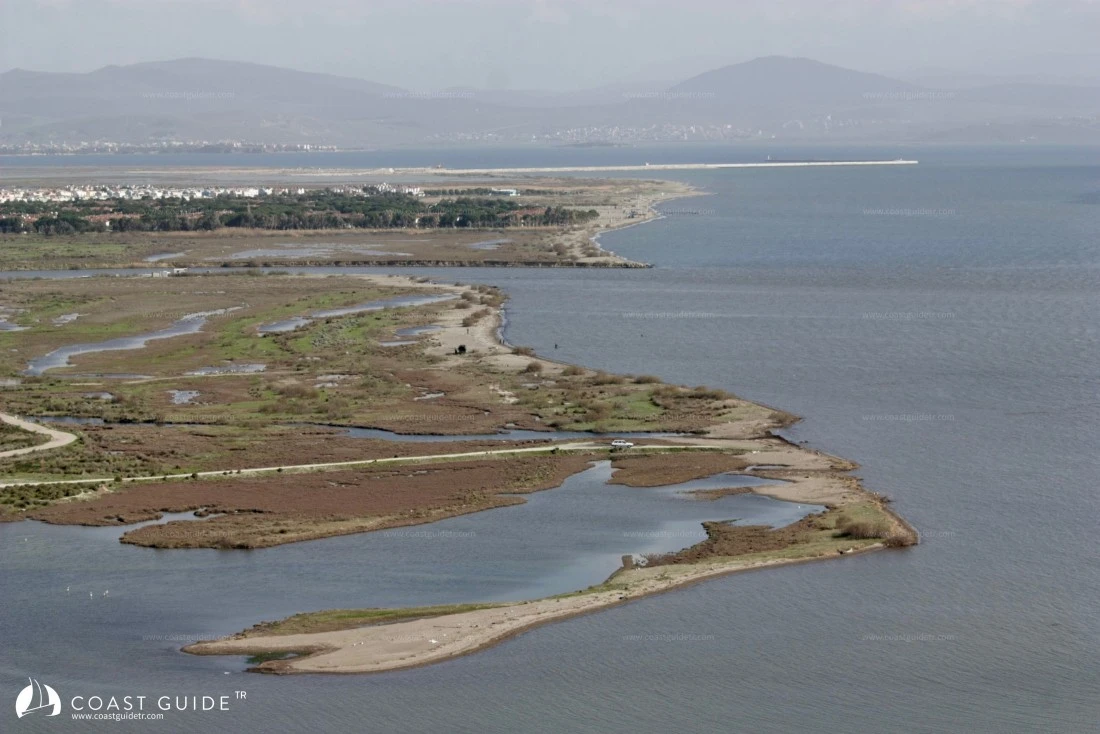
I still dive, but neither the old cleanliness of the sea nor the abundance of fish remain. We used to see 10 sea bass together. Now if you dive for a week, you might barely come across one.
What remains of Çandarlı is its people."
Yes, with its flaws and virtues, its history, its past, and its present, we wanted to share Çandarlı with you.
With your permission, I dedicate this article to my mother and father who rest in the soil of Çandarlı.
Stay Healthy