GÜNDOĞAN (Note: This is a proper name - likely referring to either a Turkish coastal town/village or a person's surname - and should remain unchanged in translation)
GÜNDOĞAN
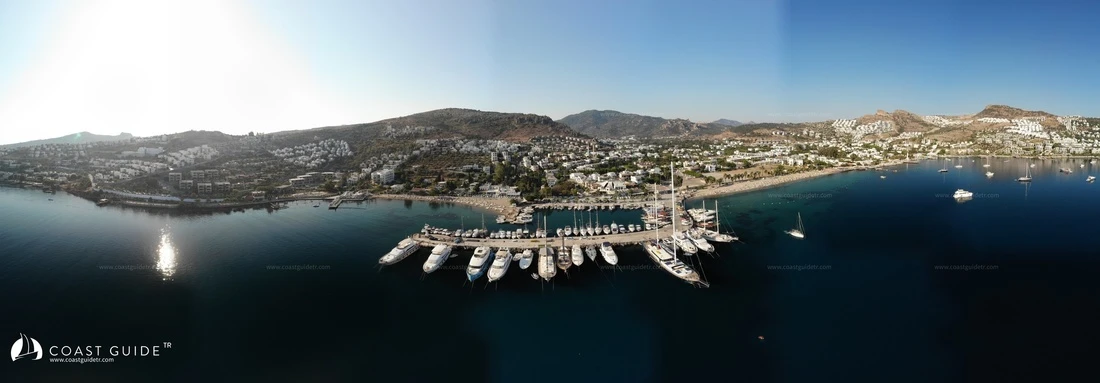
Although I went to Bodrum many times in my youth, I couldn’t visit its coves until I got a boat, neither by land nor by sea. In the early nineties, I crossed from Didim to Türkbükü with my first boat.
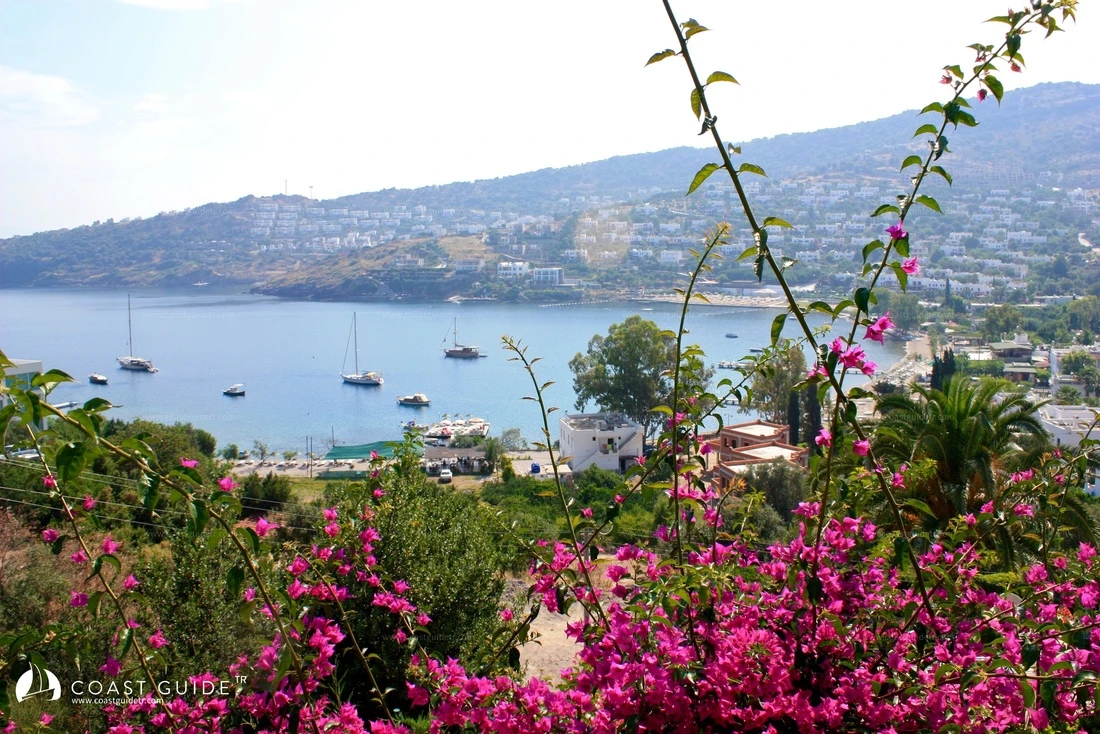
I had strongly felt the rising seas off Gündoğan this time when entering Gündoğan on the return from Türkbükü.
Especially the areas between Küçük Tavşan Island and the mainland had battered our boat and us novice sailor family to an unforgettable degree.
Once inside, there was no trace of the conditions we had encountered at the entrance of the bay.
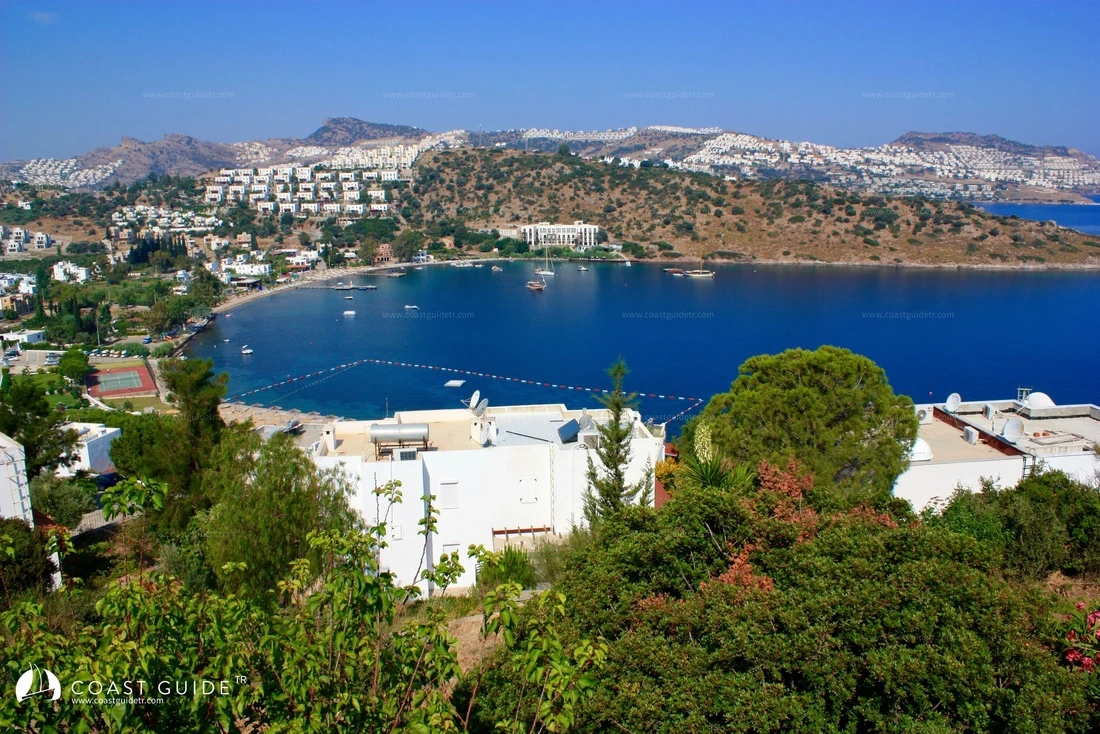
We anchored in the Small Bay on the east side of the large bay and enjoyed the tranquility and silence.
During the days we stayed, we made new friends and witnessed their happy lives here.
As time went by, I have visited this beloved bay many times up to this day, all by sea.
Most recently, I went last year to anchor in front of the beach to capture video footage for our website.
It was impossible to even keep track of the controlled and uncontrolled development that has taken place from our first visit until today.
On one hand, music sounds drowning each other out, and high-volume call to prayer sounds coming from mosques were mixing together.
After patiently enduring 24 hours of water sports enthusiasts lifting and bouncing our boat throughout the day, I weighed anchor and departed from this bay with sorrow.
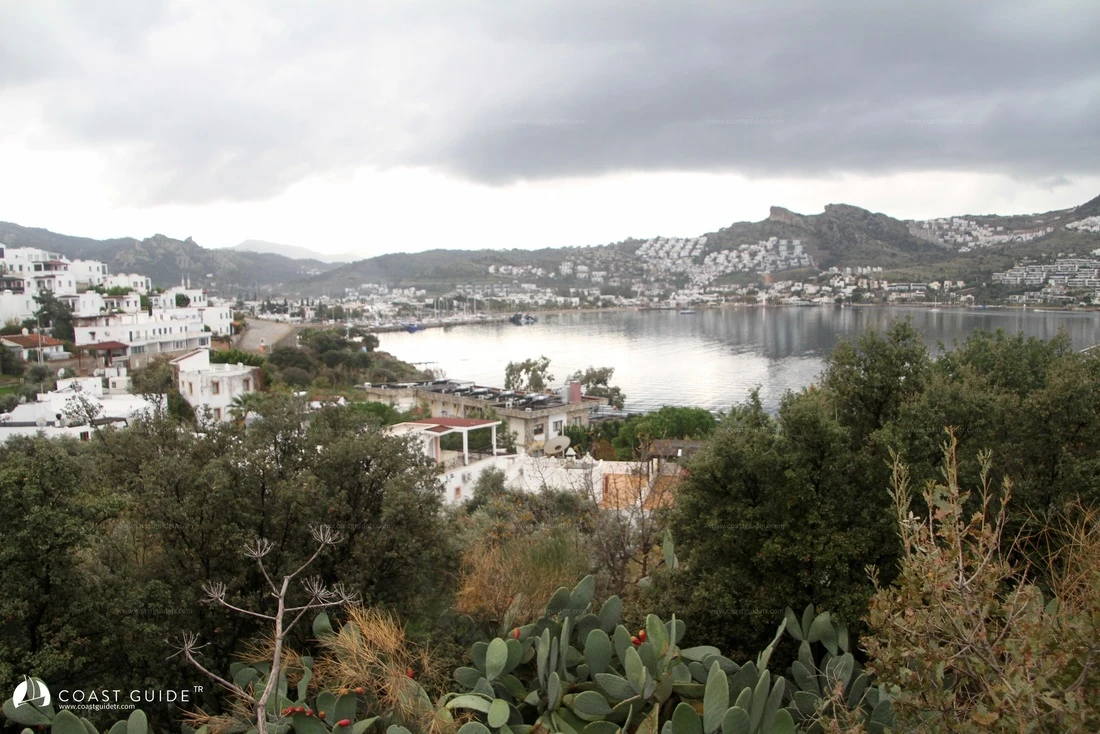
This time I'm going to Gündoğan by land from Bodrum. While publishing beautiful natural wonder locations in our articles, one might ask where did Gündoğan come from.
A place that has literally ceased to be a bay, turned into a pile of concrete, the paradise corner of its time.
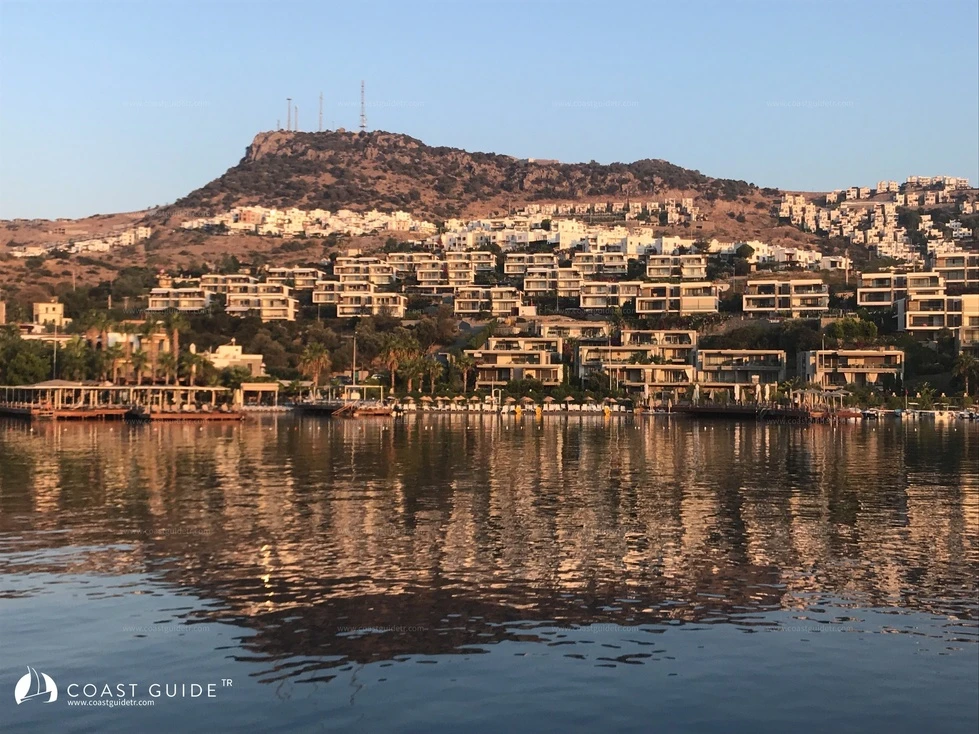
I wanted to witness how we have destroyed it with our own hands.
With this, I wish to set an example among the places we are wearing out in this way, before it's too late.
I must admit that the Gündoğan sea has not kept pace with this deterioration along its shores and is still clean.
This is probably due to the bay's exposure to open seas and the effect of water circulation.
First, I'm going to the harbor, the gathering point for mariners. To meet one by one with all the friends I've made appointments with.
It rained and will rain, the sun is playing hide and seek, making efforts to show its face.
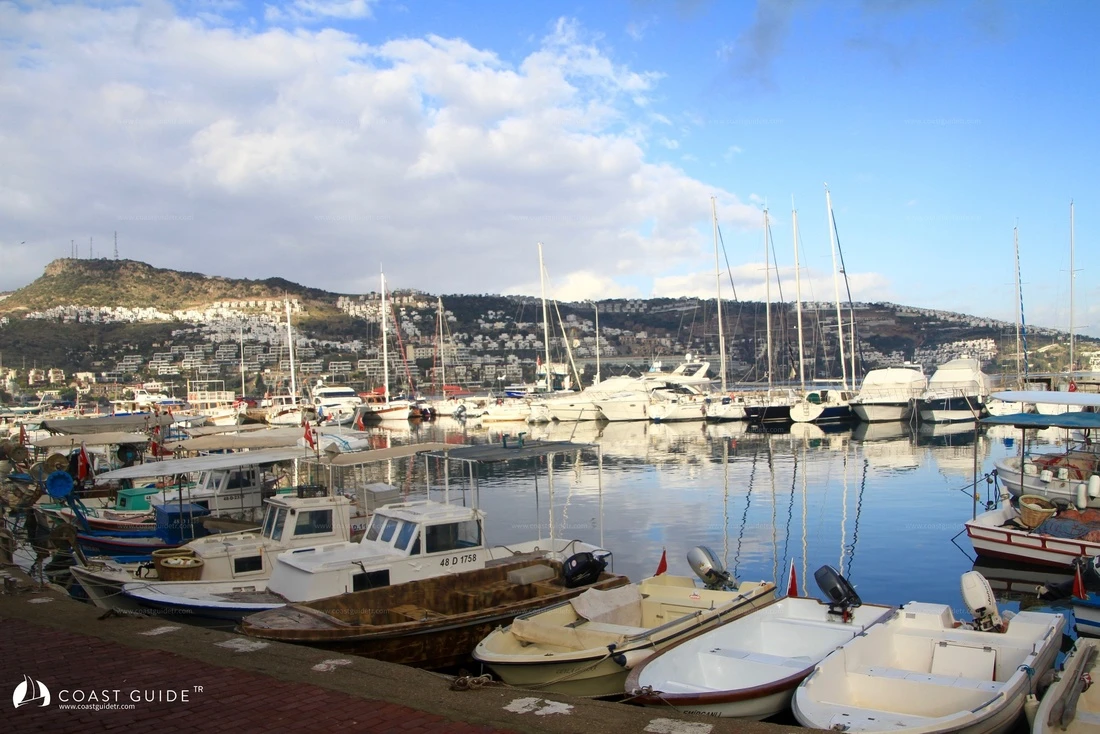
First, I'm meeting with local captain Mustafa Erdoğan. He is known in the Bodrum region as Forsa Kaptan.
His childhood passed during the pristine, quiet days of this place.
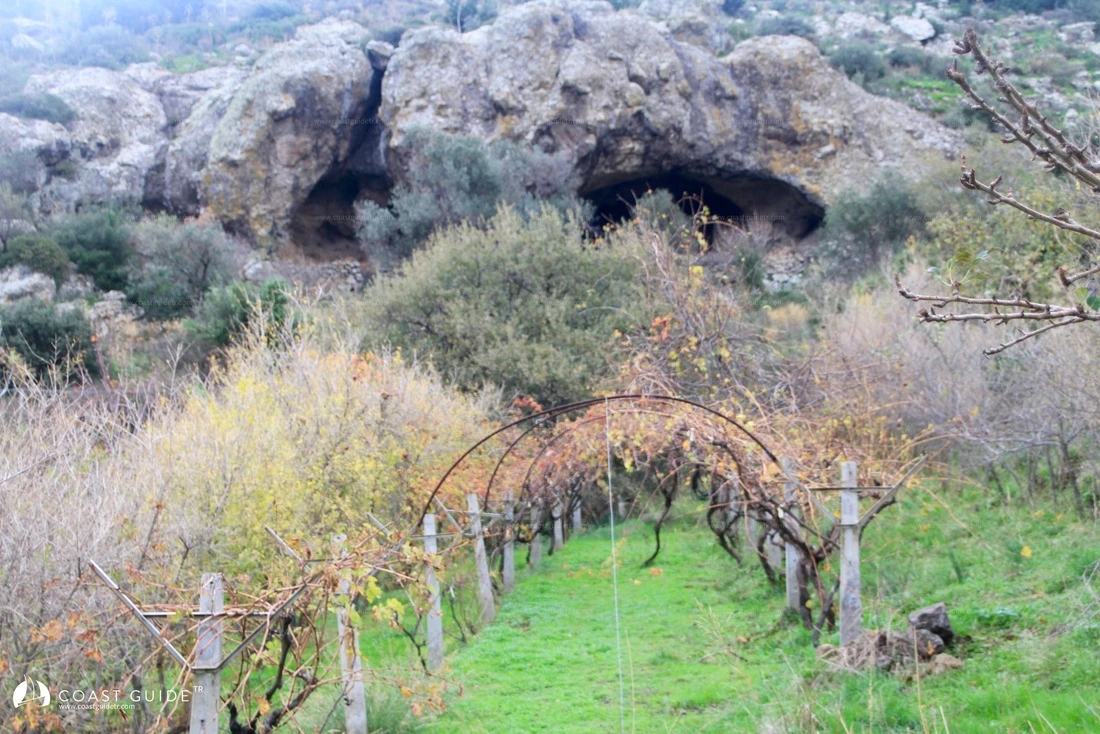
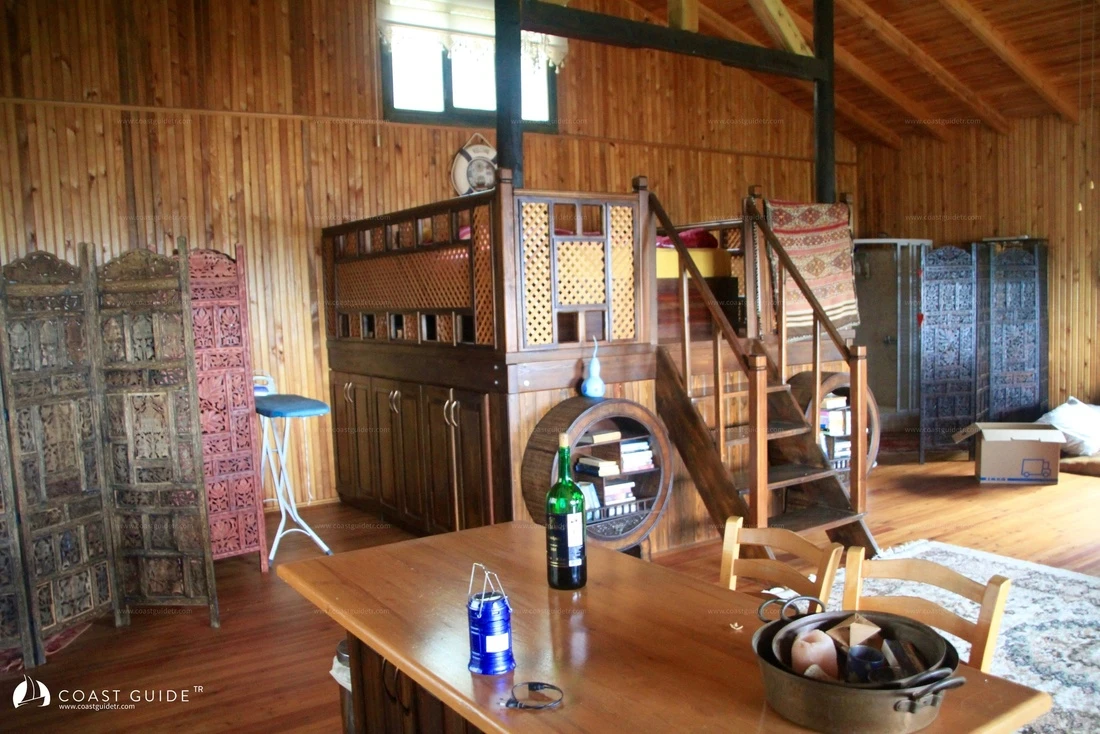
He recounts in his memories carrying wheat up to the windmills on the hilltop by donkey and bringing flour back in the evening.
He currently lives in a huge wooden house on family land inherited at the very top of Gündoğan.
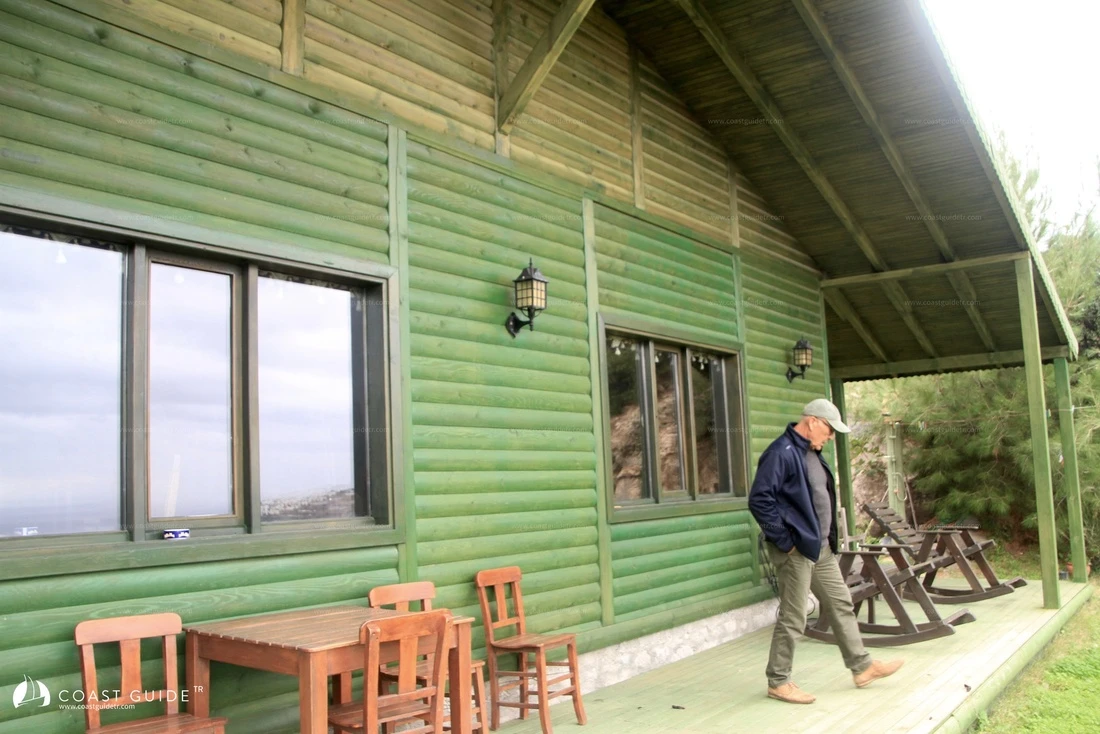
Overlooking Gündoğan, with his fruit and vegetable garden, animals, and the cave within his land.
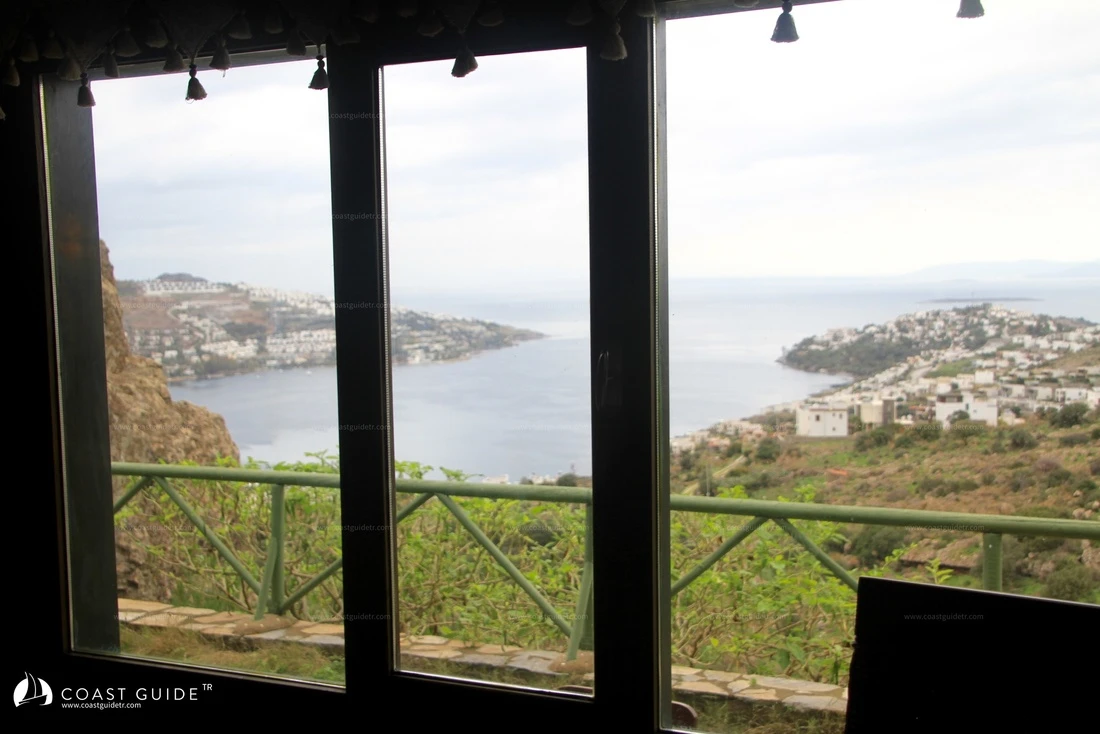
He served at the sailors' association in Bodrum, participates in yacht races, a complete sea enthusiast and seaman.
He worked extensively on the organization of Gündoğan harbor.
Best I don't tell more, let me ask Captain Forsa about this place where he was born.
Where has he come from, to where?
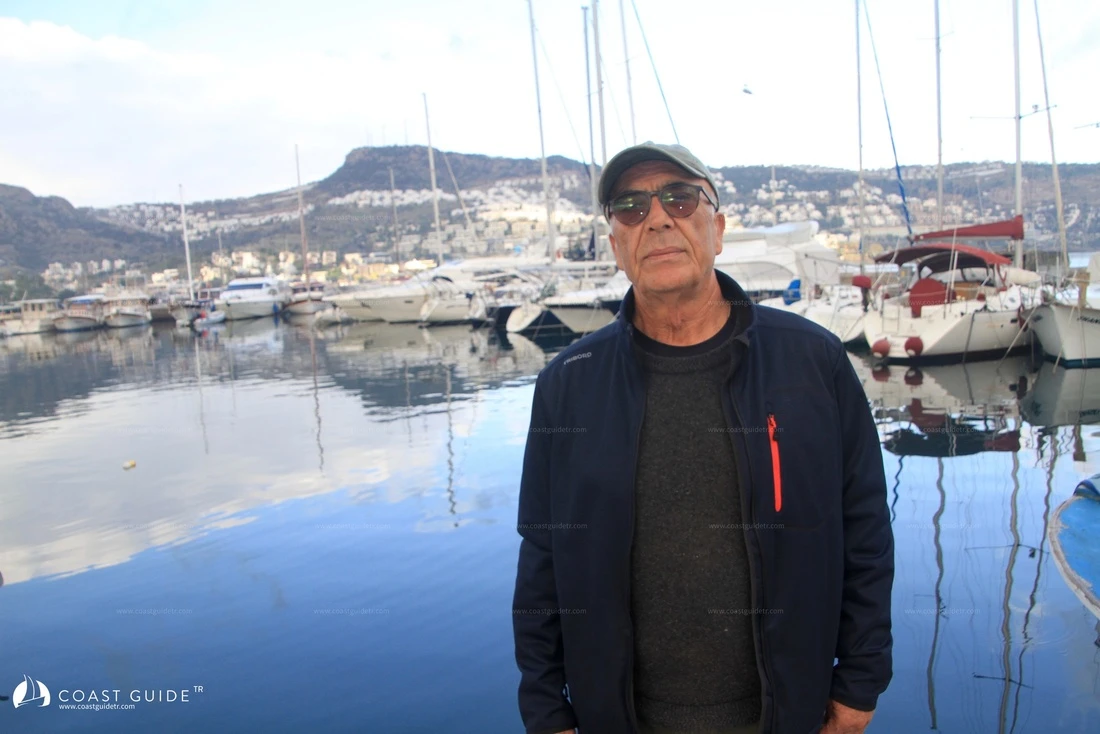
MUSTAFA ERDOĞAN
“In the past, there was no electricity, water, roads, nothing here. A primitive life prevailed.
As for agriculture, there were mandarin orange groves.
Gündoğan sponge divers were the region's most well-known seamen, and our fishermen caught a lot of fish.
However, since those fish couldn't find buyers here or in Bodrum, they would go fishing to Didim with small boats.
From there they would cross over to Kuşadası and sell these fish to merchants. Because tourism hadn't started in Bodrum yet, there was no market for fish.
Seamen would obtain their earnings through voyages of a week or ten days and return to Gündoğan.
Our seas were teeming with fish.
But now, due to unconscious fishing, the fish population has dropped to almost one percent compared to that time.
We have laws, but because they are not enforced, our seas have ended up in this state.
Despite this, Gündoğan is one of the last places in the Bodrum region where people make their living from fishing.
Our harbor is very old. In those years, the harbor was in another sheltered location, but unfortunately, due to construction costs, it was built in its current location, right in the middle of the beach.
Due to the absence of breakwaters and other construction machinery, it was built in the easiest location.
After working for years in the management of the Bodrum Sailors Association, I came here and together with my friends, using all my experience, we turned the harbor into
the model harbor of the region.
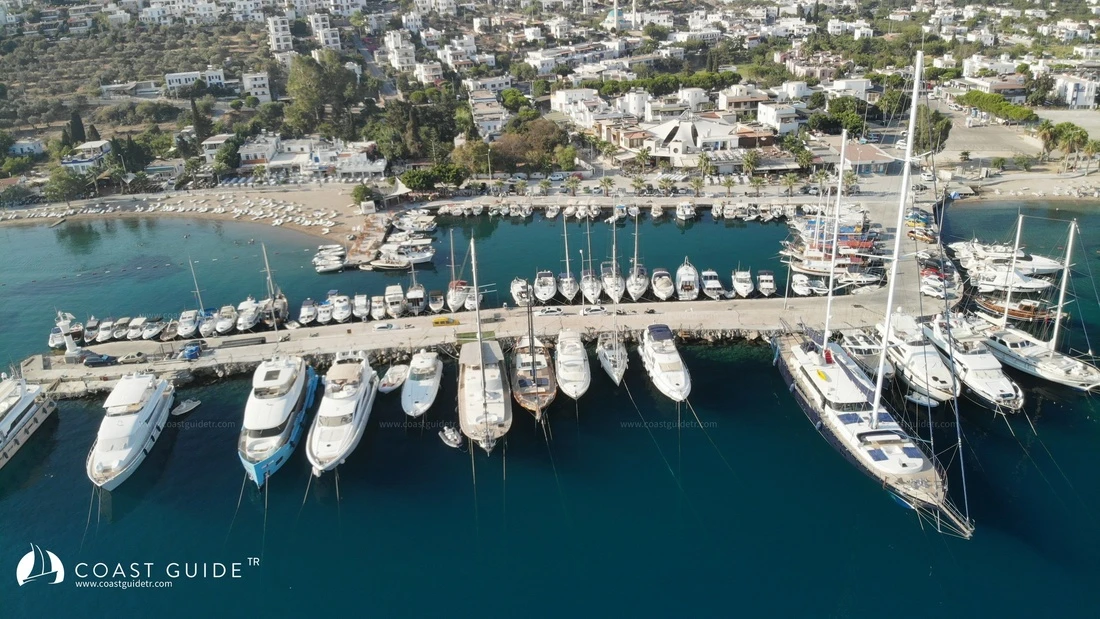
There are currently over fifty boats inside.
To keep the harbor alive, we provide the support that cannot be obtained from fishermen by allowing private boats to berth, and we can cover the expenses.
The fisherman no longer has the means to pay this money.
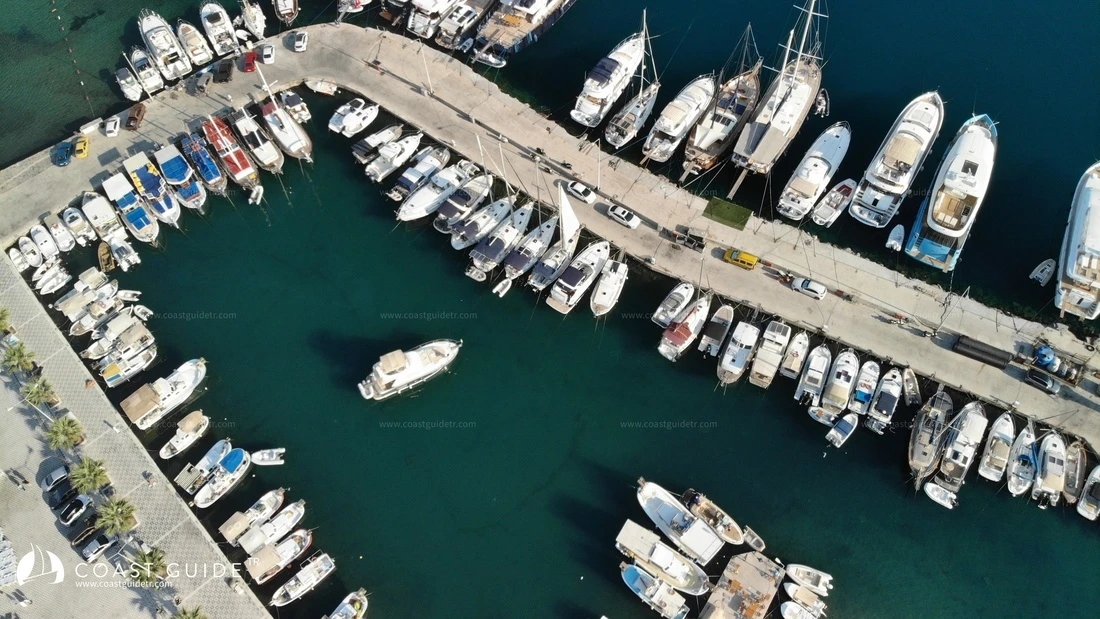
Staying in the harbor during severe weather can be dangerous.
It is not that sheltered.
Many sailing boats used to come to our bay, but not anymore.
Now the bay is left to motor yachts.
Or rather, an anchorage for those waiting for their owners.
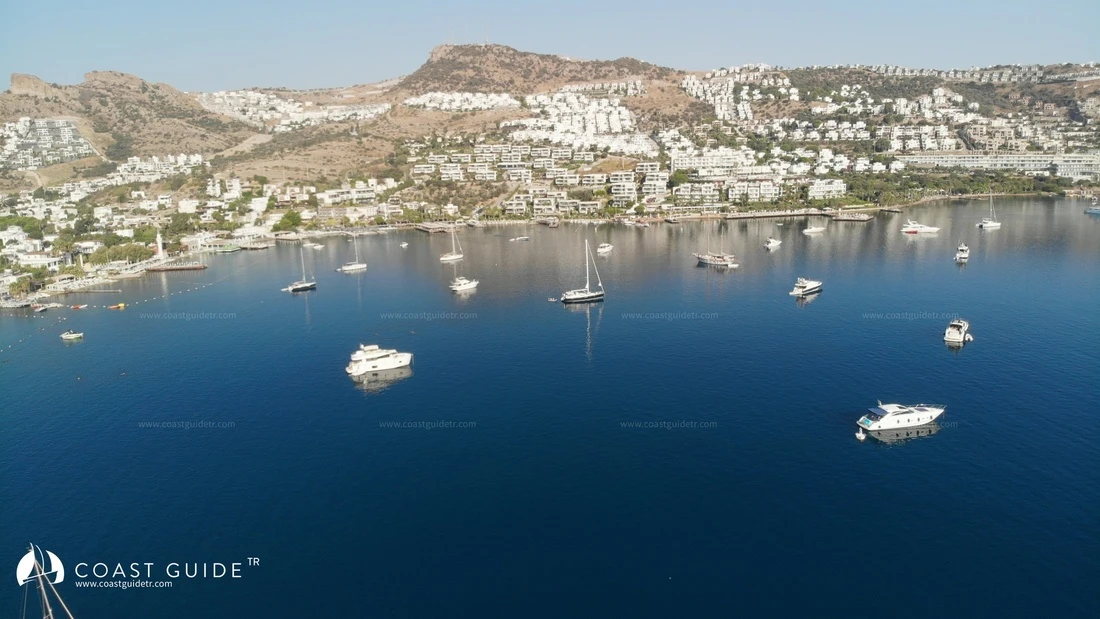
Over time, this place ceased to be a village and became a neighborhood of Bodrum.
I returned to Gündoğan in the 2000s and opened a horse farm.
In those years, we would take tourists around on horseback on these empty roads, it was that empty.
Now there's no place to park your car.
I now have a walnut farm but I can't break away from the sea.
I'm out at sea at every opportunity.”
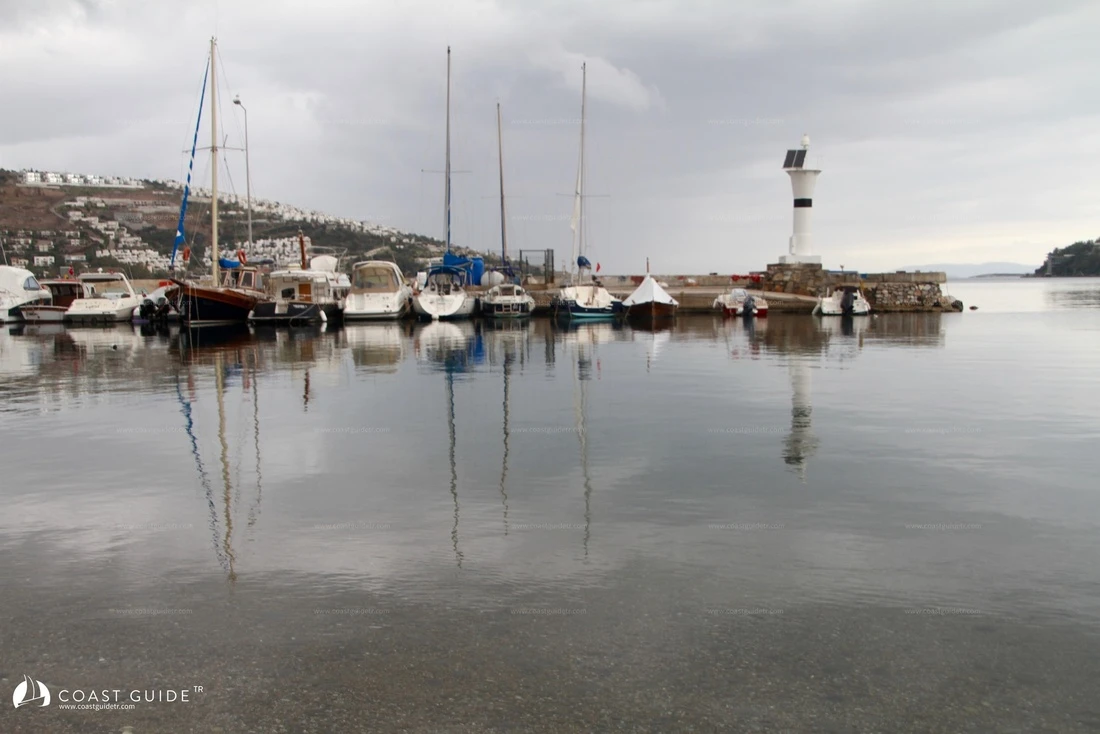
After completing my interview with Captain Forsa at the marina and his residence on the hill overlooking Gündoğan, this time I will be a guest at the home of a
family that settled here later.
The name Gündoğan was given to this town in 1961.
Previously, this area was known as FARİLYA, which means Sunrise in Greek.
A settlement dating back to the 4th century BC existed here.
The settlement was not at the current seaside, but at Farilya Village located on the hills of the bay.
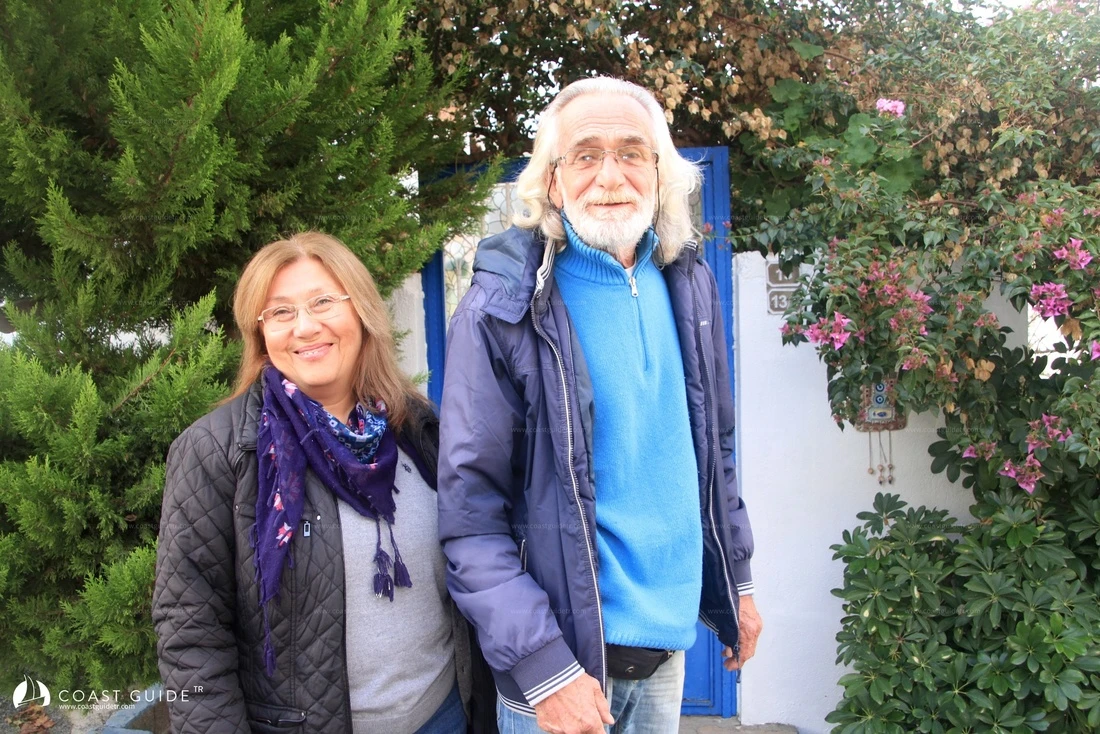
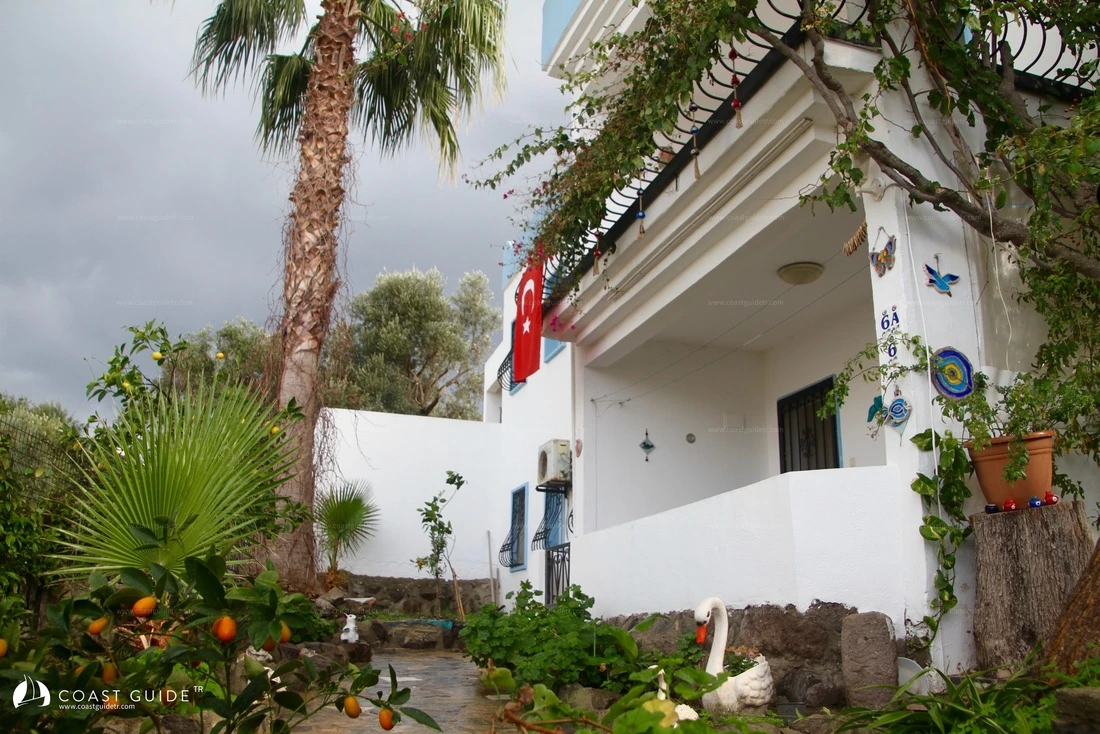
Now in this village, I am a guest at a charming house with a small terrace, in a lovely garden.
The Hürkan family has built this place practically with their own hands since 2002.
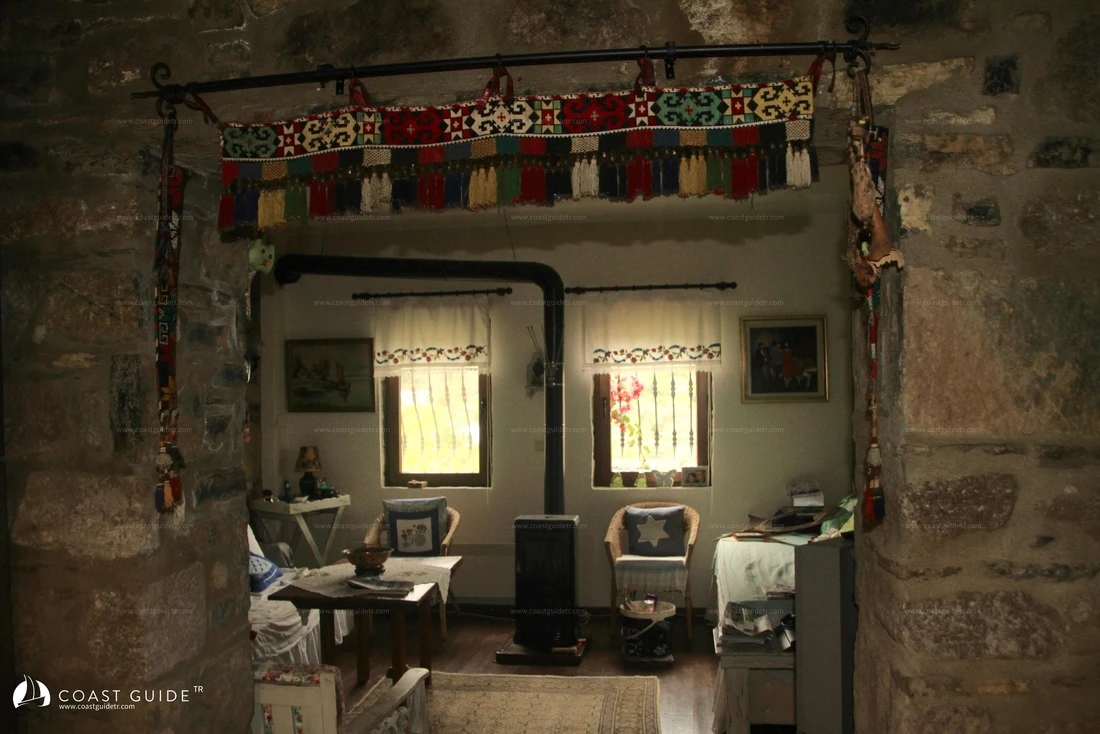
I witness the flowers in the garden, mosaic accessories and ornaments, stonework and the harmonious craftsmanship of wood in their residence.
First, Mr. Mete, who worked as a technical draftsman at Şişe Cam factories, settled here and improved their home.
Ms. Zuhal continued her position as senior executive assistant at Şişe Cam factories until she married off her daughters.
Then she settled here permanently. They are very busy.
We can barely find time to chat due to their busy schedule.
In fact, for those living in big cities, life here is always thought-provoking in terms of how time passes, but I also saw in the Hürkan
family that it's not so in practice.
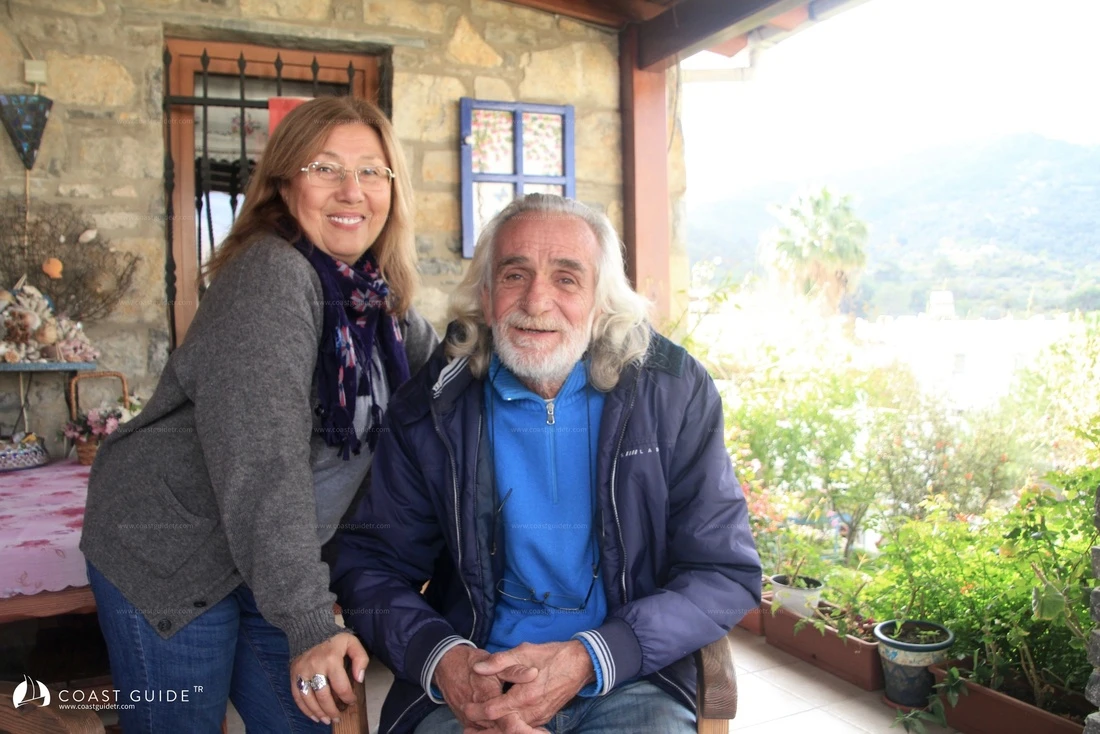
ZUHAL-METE HÜRKAN
“Years ago, we had our honeymoon in Bodrum. That day, we dreamed of settling in Bodrum in the future.
Over time, during our holidays, we went to many places around Bodrum, but we hadn’t seen this place.
Towards the end of our working life, we saw Gündoğan and the location where our current home is.
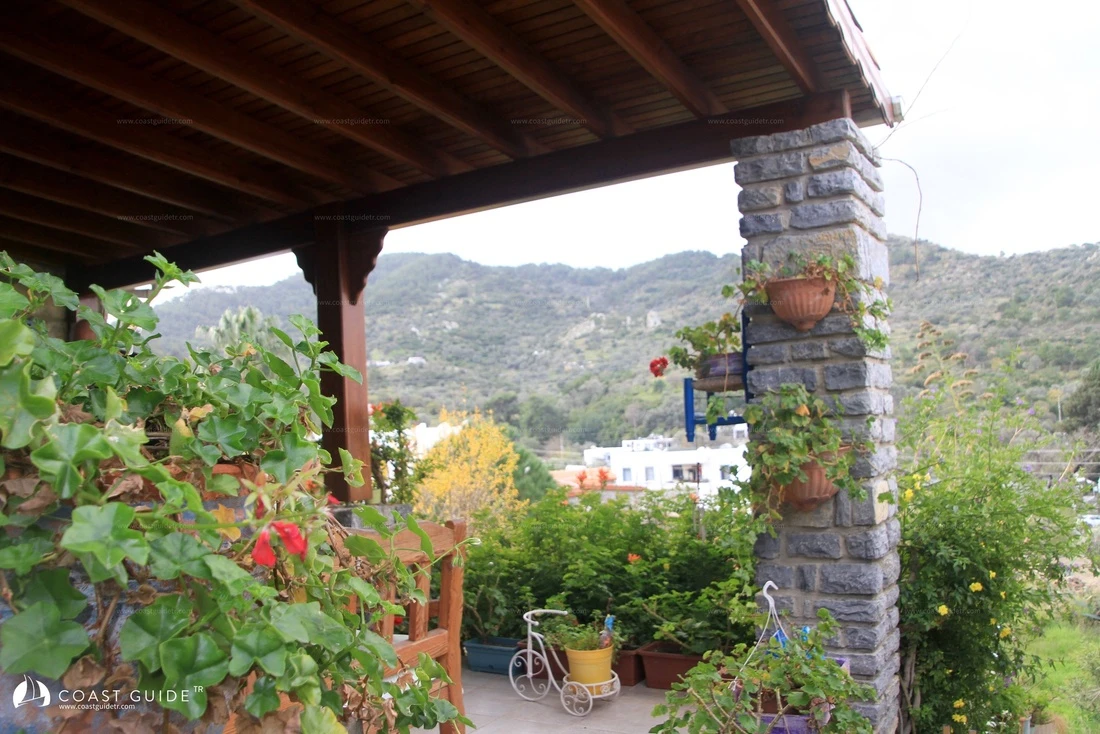
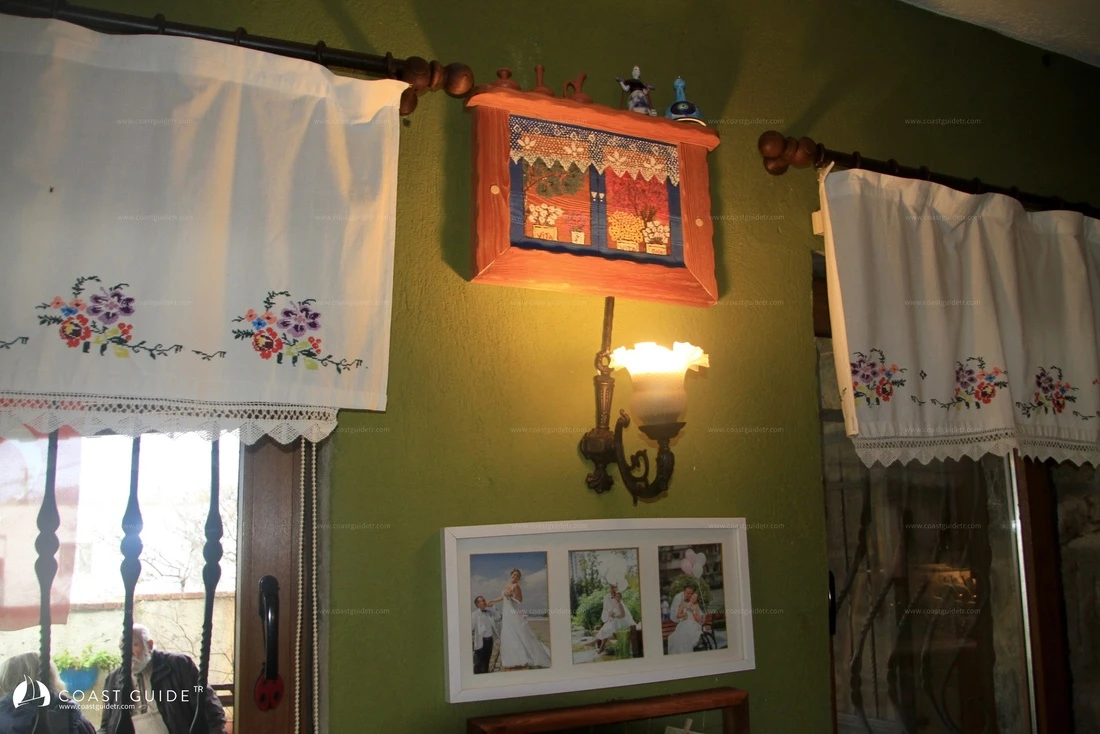
“Find us a barn, we’ll convert it into a house” we had said to our friends. They found this place.
While everyone wants to see the sea, we wanted to look at the mountains and trees.
We’ve been living in Farilya Village since 2002.
The house was an old 35-square-meter stone village house.
We added an 18-square-meter living room and made it livable.
We applied stonework.
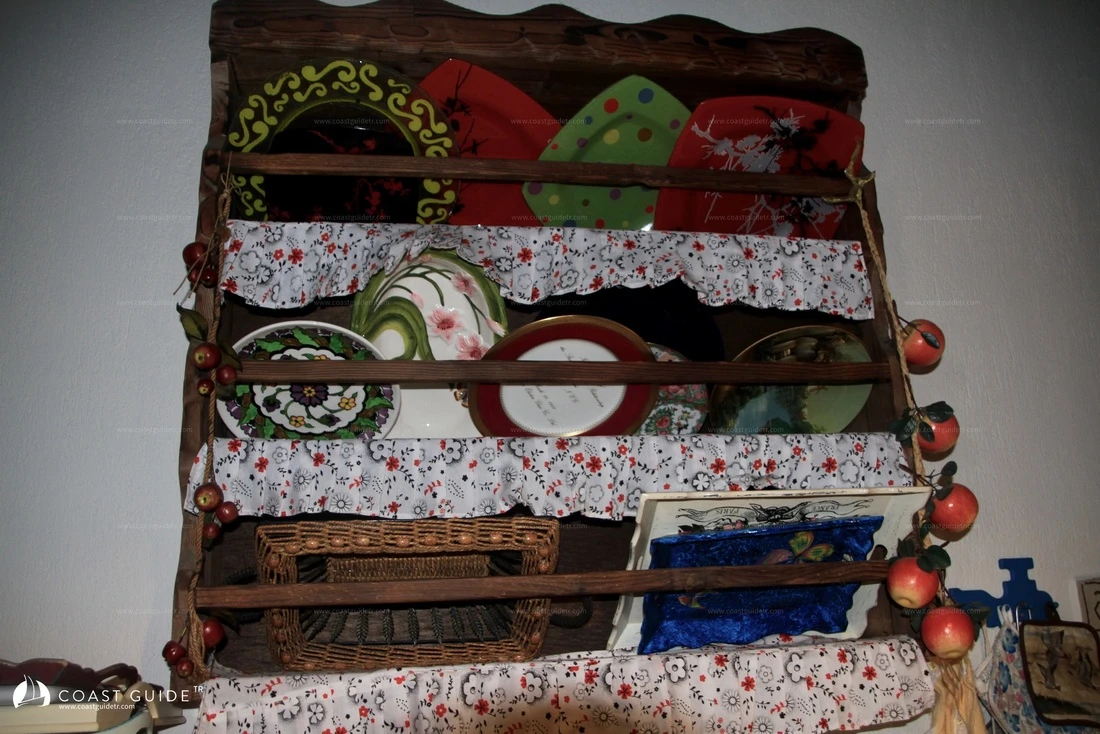
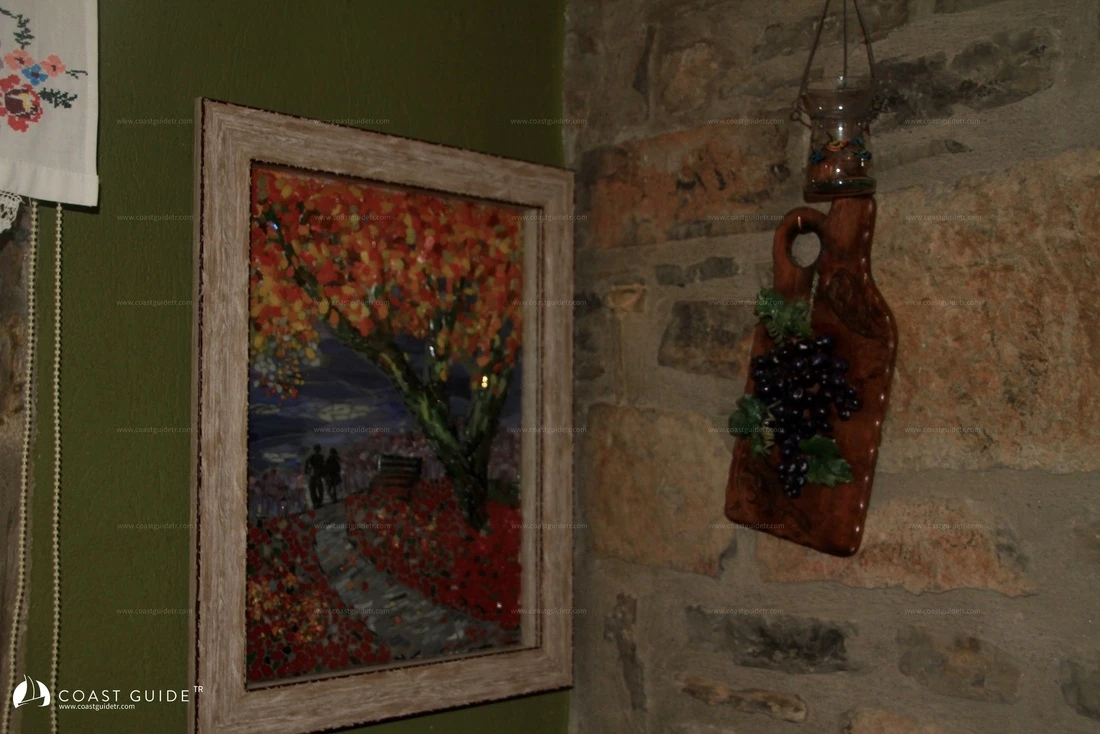
It’s very comfortable to live in, warm in winter, cool in summer. We’ve gotten very used to it here. If they took us to Istanbul now, we wouldn’t be able to find our way to the old house anymore.
In Gündoğan, the settlement used to be in the upper part. There were sesame fields below.
On the shore, only men would sit in a coffeehouse. They would tend to their animals here and swim in the sea in their shirts and trousers.
Women would never go down to the seashore.
When we first came here in 2002, there was no activity at all, it was a quiet and peaceful place. In fact, in winter, only dogs used to roam around.
The locals' desire here and in similar places to resemble big cities has unfortunately deteriorated this place over time as well.
We enjoy living in Gündoğan.
Even lighting and cleaning the stove is a pleasure.
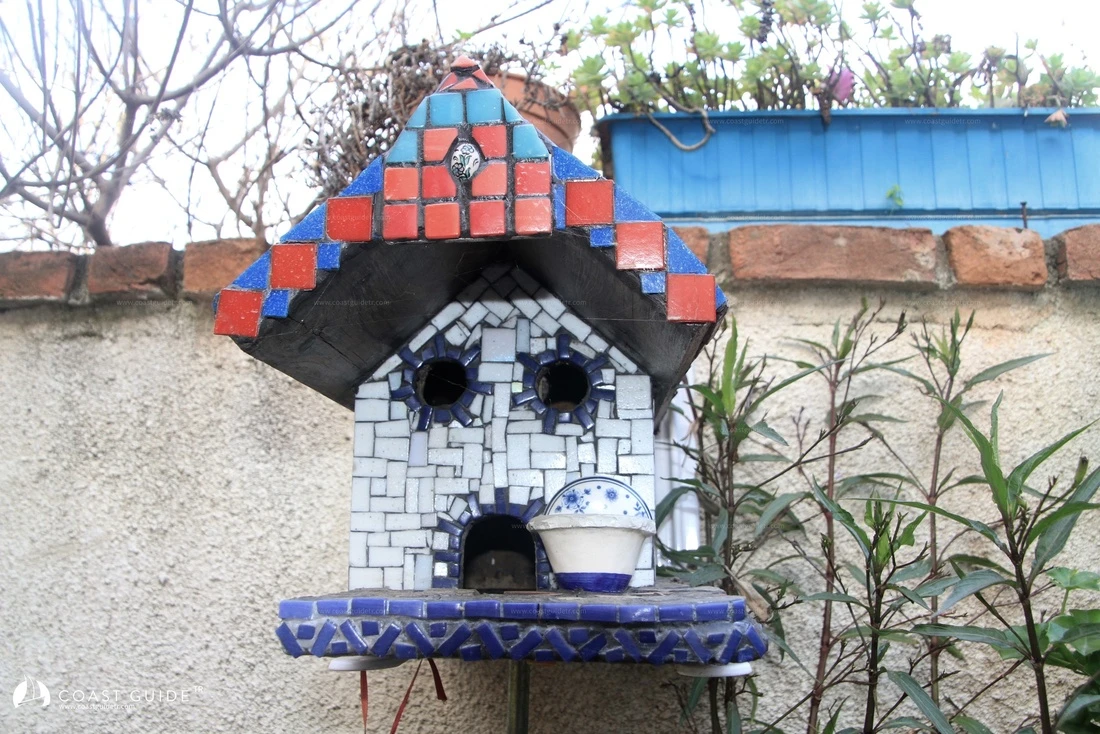
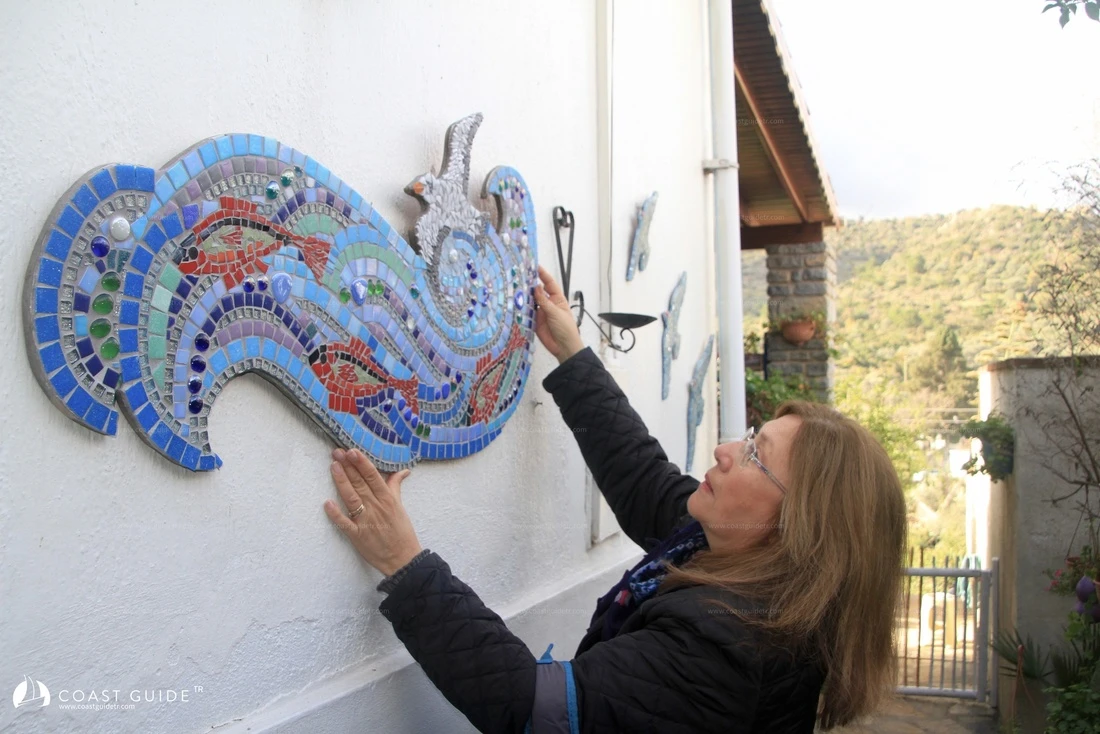
We do sports here, attend courses, Balıkçılar Kahvesi is our meeting place, we go on trips with friends and visit neighborhood markets.
During winter months, after 4:30 PM it starts getting dark, we light the stove. (Mr. Mete doesn't want to pass time with TV series, but Mrs. Zuhal watches a series every day)
apparently)
We knit scarves and beanies and send them along with books to schools in the east.
We do mosaic work at home, make our furniture from old telegraph poles.
We live happily without realizing how the days and time pass by.”
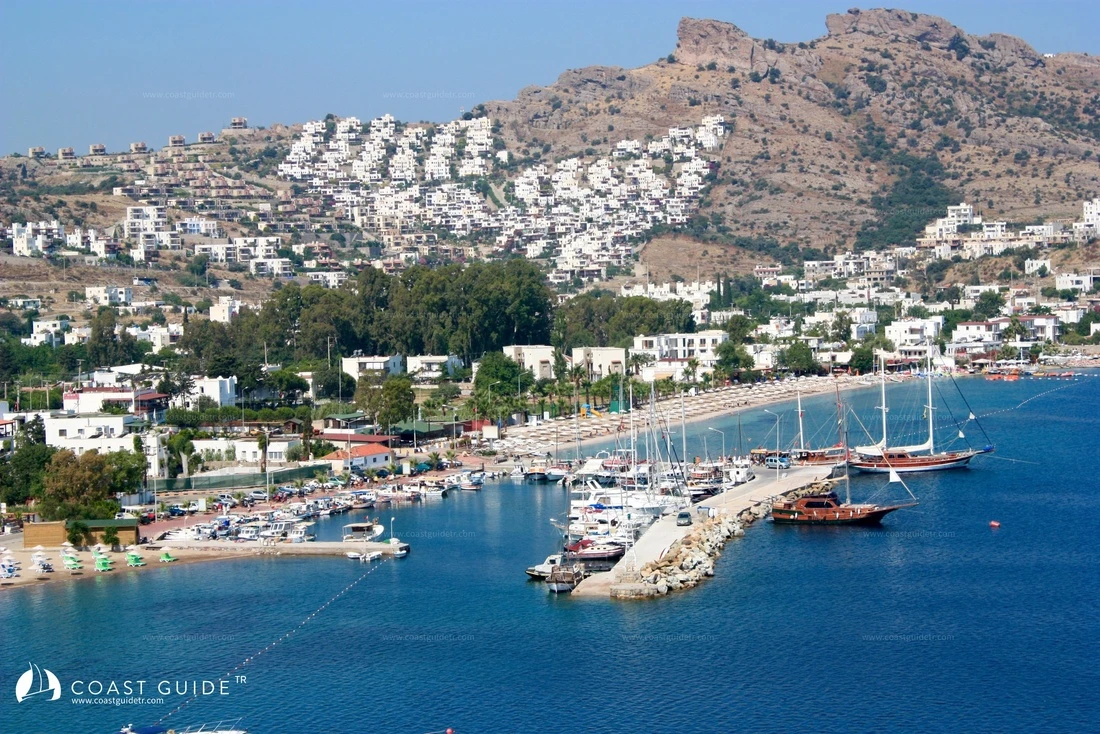
Now Ethem Güzelgün is waiting for me on the beach. For the Bodrum Region, for the environment, for nature, working tirelessly, unceasingly, without giving up, and finding happiness in this
struggle, let's see what Ethem Güzelgün has to say.
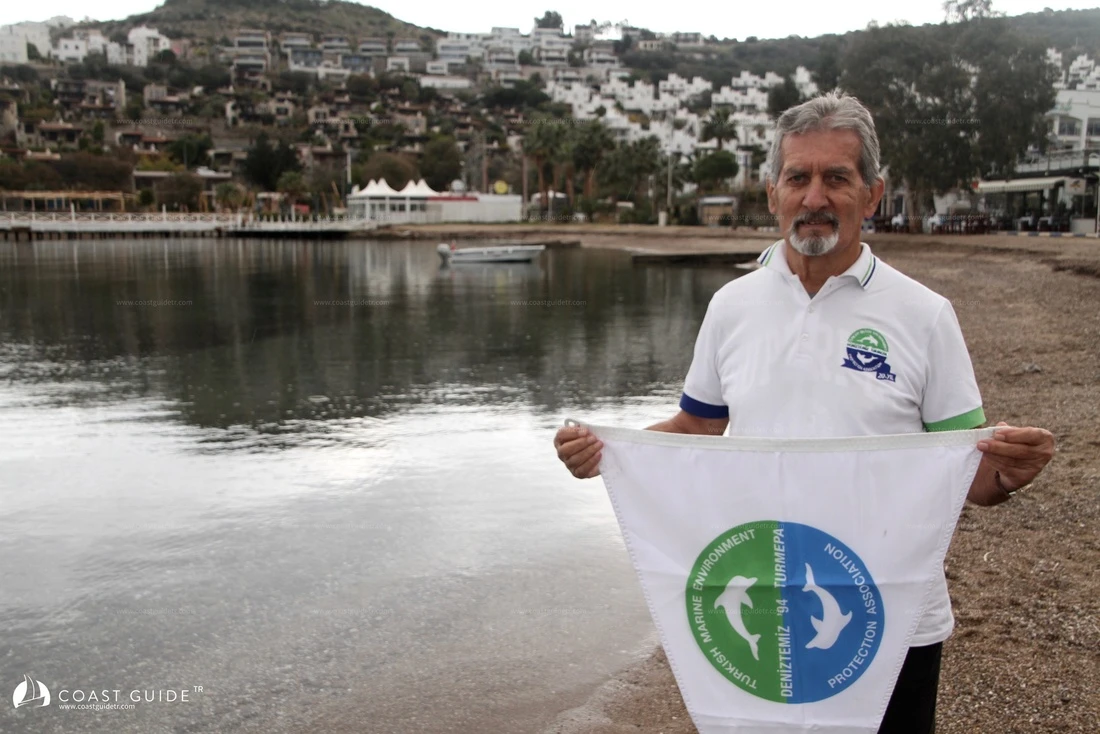
ETHEM GÜZELGÜN
“I retired with the rank of Colonel while managing the Protocol Public Relations Branch in the Turkish Air Force. I settled here 10 years ago. As the General Secretary of Turmepa Bodrum Branch, I am involved in environmental activities.
As an association, we have educational activities in schools in Gündoğan in 3 main dimensions.
We conduct practical applications of this on the shores.
Here at the municipal beach, we have been doing cleanup work since May in cooperation with an organization called Peynir Çiçeği.
While it was expected that this pollution would decrease as awareness increased over the years, unfortunately it is multiplying.
Some hotels and boats are dumping their waste into the sea.
In fact, our seas are exposed to eighty percent land-based pollution.
All waste is being dumped into the seas all over the world.
The seas cannot breathe.
Bodrum's biggest problem is the pollution of the seas due to the inefficient treatment systems.
Gündoğan beaches are cleaner compared to the past.
The contribution of environmental non-governmental organizations here is significant.”
In the café next to the beach, the elderly of Gündoğan are seated, and I invite myself to their tables while they drink their tea facing the sea. Fishermen, sponge divers...
They have devoted their years to the sea.
What they have experienced, what they have seen. “Is it possible to fit a whole lifetime into pages?” they say.
We have a collective conversation.
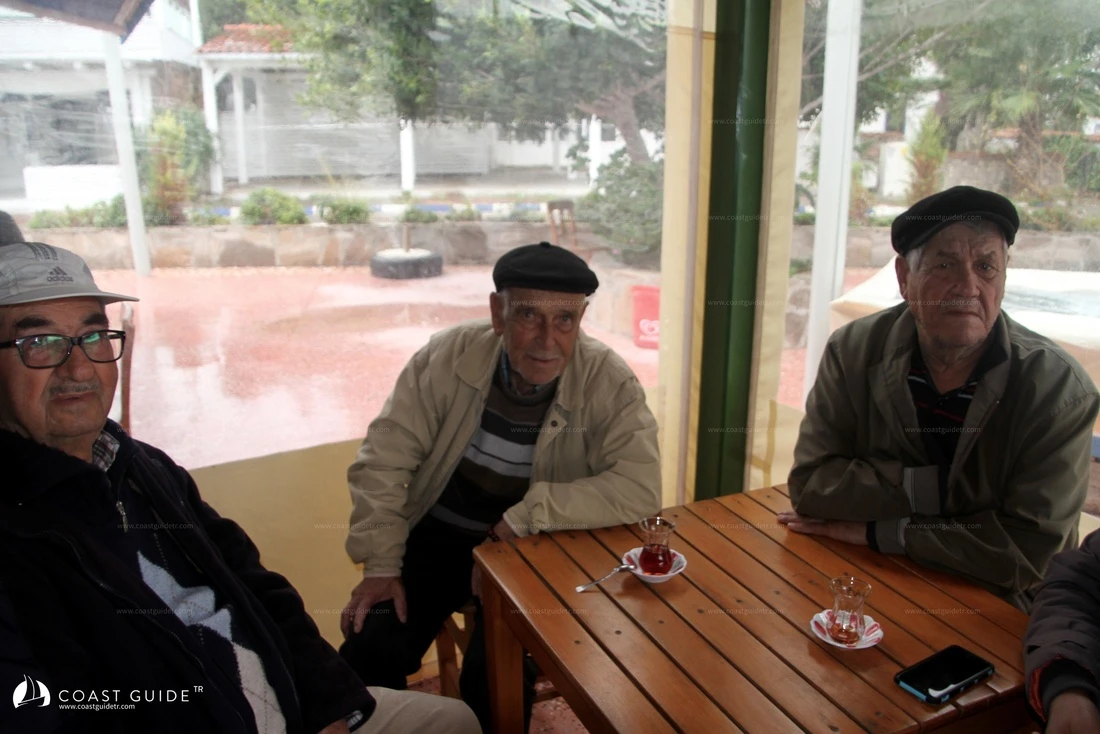
OSMAN OKYAY-DÜNDAR ŞAHİN-BAHATTİN MAYA
“We used to do animal husbandry, sponge diving, fishing.
Our boats were small. We would go fishing to Didim.
At the same time, we would plant barley, wheat, rye on our lands where the housing complexes are now.
In the old days there was scarcity but money was valuable.
Americans would buy 1 lira for 3 dollars back then.
Now again, we wish we could return to those old days.
Everything was clean, there's nothing but pollution now.
Love-respect, old-young have disappeared.
In the 1970s, we started selling our plots slowly. Finally, we rapidly ended up in this state.
There are no sponges or fish left in the sea.
Agricultural pesticides flowing into the sea caused this in our bay. They found the fish with 250 billion worth of radars and uprooted them in the seas.
We used to go to Greek waters for sponges.
There, too, fish wouldn't come out like it is now with us.
Greeks would come here by sailboat, catch fish and leave, our fish was that abundant.
The Coast Guard tried to prevent this.
There was one Coast Guard boat unfortunately in the entire Aegean.
What could it do alone?
You wouldn't believe it but they would catch them with wood and take them to the station in Milas.
What days those were, returning is now just a dream.”
As we finish the interview, a fisherman calls out to us from his boat while cleaning his nets.
He shows the one or two fish he caught.
Troubled!
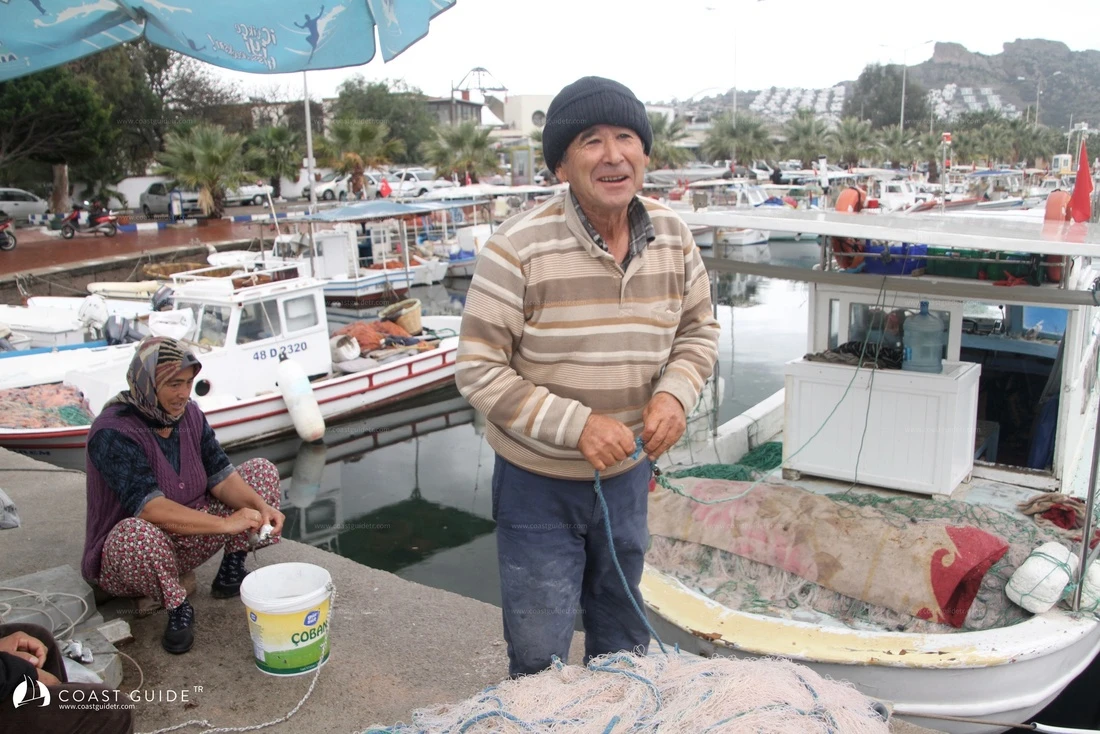
İBRAHİM ATAMAN
“Istanbulites came here, they're ruining Bodrum with filth.
They built buildings on every mountain and rock.
As we know, one building should be built per dönüm (1000 m²).
They've stuck buildings everywhere like goat droppings.
Look at Gündoğan.
Now neither they nor we can live happily here anymore. Good luck with that.”
Finally, I'm going to my old sailing friends' house in Küçük Koy area.
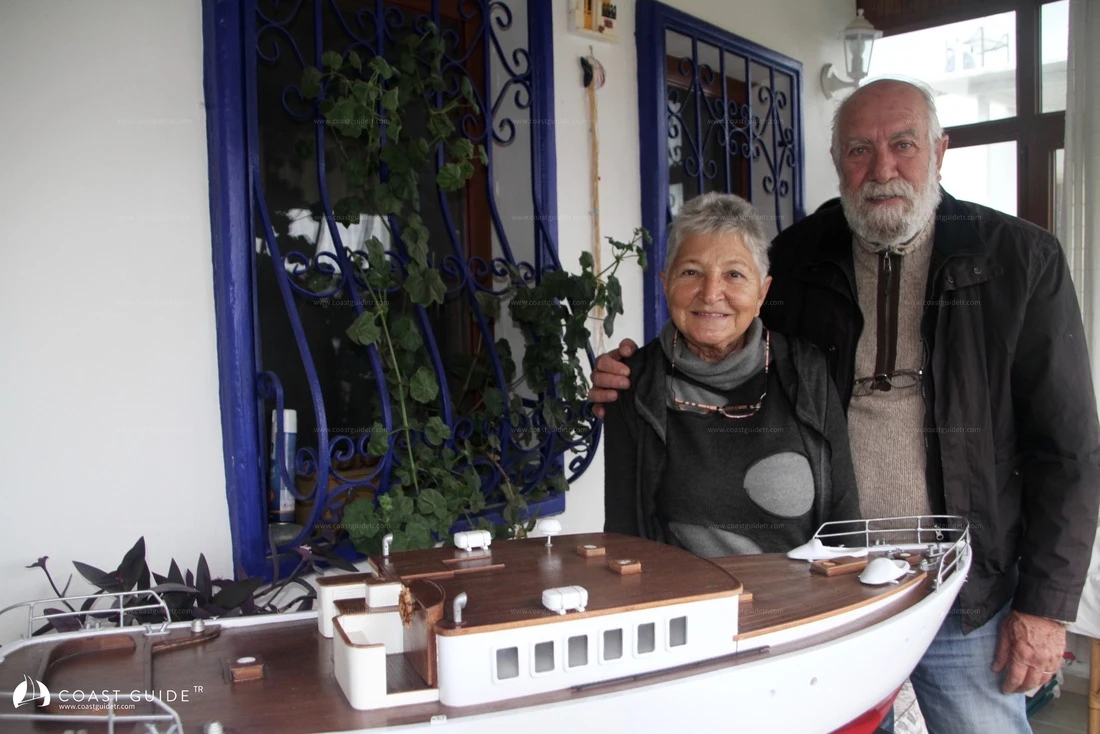
We had met Nurdan and Hazım when we used to anchor at Küçük Koy.
Hazım used to build ship models.
In fact, he was putting the final touches on his boat that he was building in their garden.
In later years, we had seen his launched boat at the marina before heading to Küçük Tavşan Island where the Apostle Church is located.
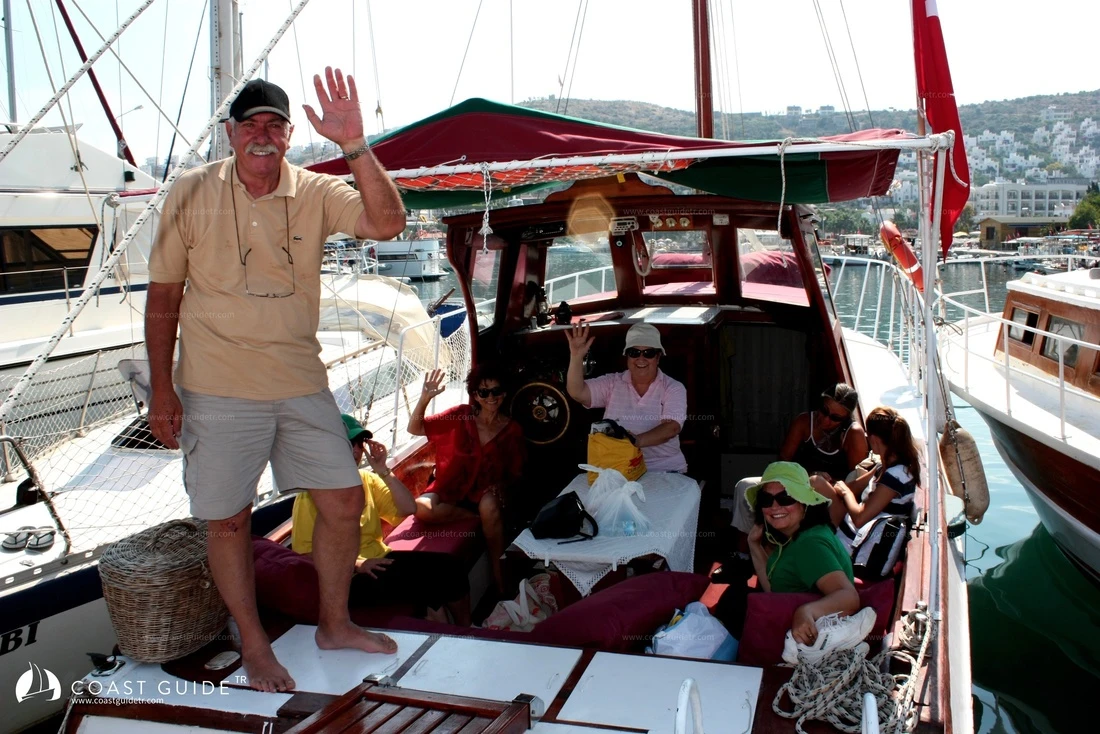
Fener and Küçük Tavşan Islands near Gündoğan bay are popular stops for daily sea excursions.
Hiking trails, caves, crystal clear sea.
I hadn't seen the Barut family's house for years.
The house that was in the middle of an empty lot is now squeezed between buildings. Our friends, how did they settle, why did they settle, what do they do, most importantly, does happiness still continue?
NURDAN-HAZIM BARUT
“We came from Istanbul 25 years ago. We rented in Gölköy for a year to decide where we would actually settle.
We loved the sea, wind, and air, so we bought this land in Gündoğan. We built the house ourselves and settled in.
Back then, only 6 families lived here in winter.
Those were good days, period.
We used to get everything from Bodrum.
The market was only there.
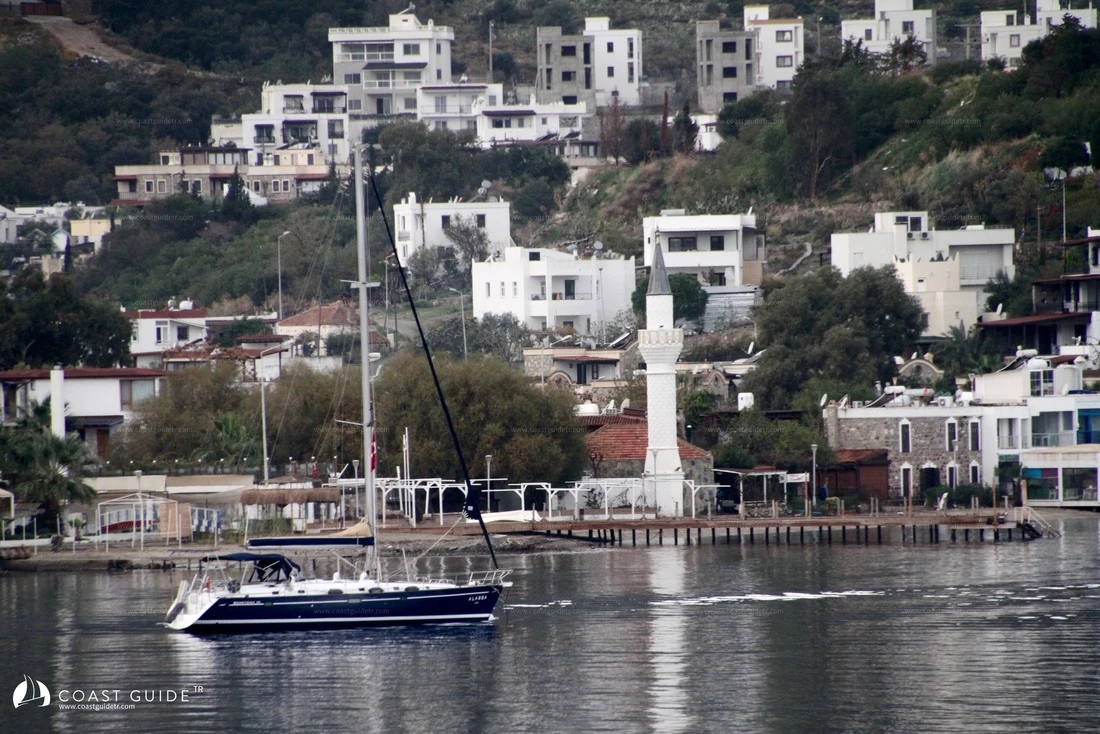
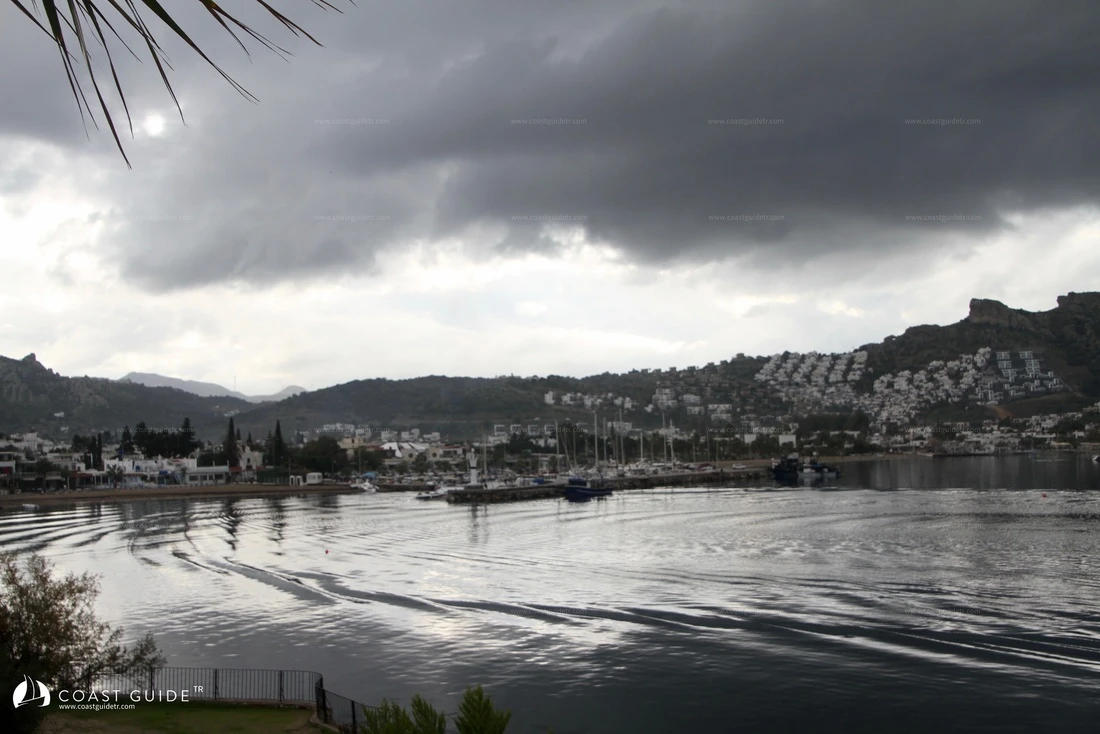
We were fascinated by its sea and cove. It's still considered clean.
After a while, we also built our own boat in the garden of the house. We launched it to sea.
In recent years, we got rid of it and started saying the slogan 'your best friend's boat is the best boat'.
Actually, we love wooden boats very much, but maintenance is difficult.
We sold it and bought a caravan.
In July and August, we escape from here.
Gündoğan becomes crowded and very expensive in those months.
We go everywhere with our caravan.
Here is calm, quiet, and very beautiful in winter.
When we settled, we never thought this development would be like this. It suddenly grew rapidly.
The locals were happy when their lands were sold.
Now they're unhappy.
We produce ship models and Mediterranean door models.
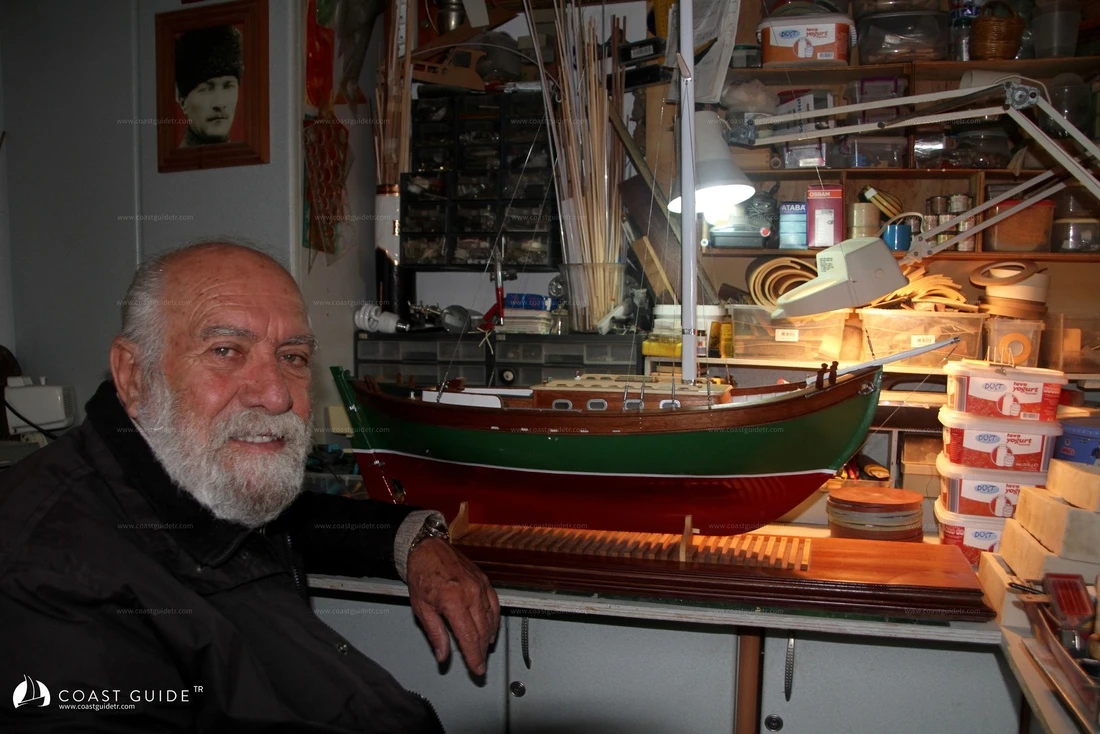
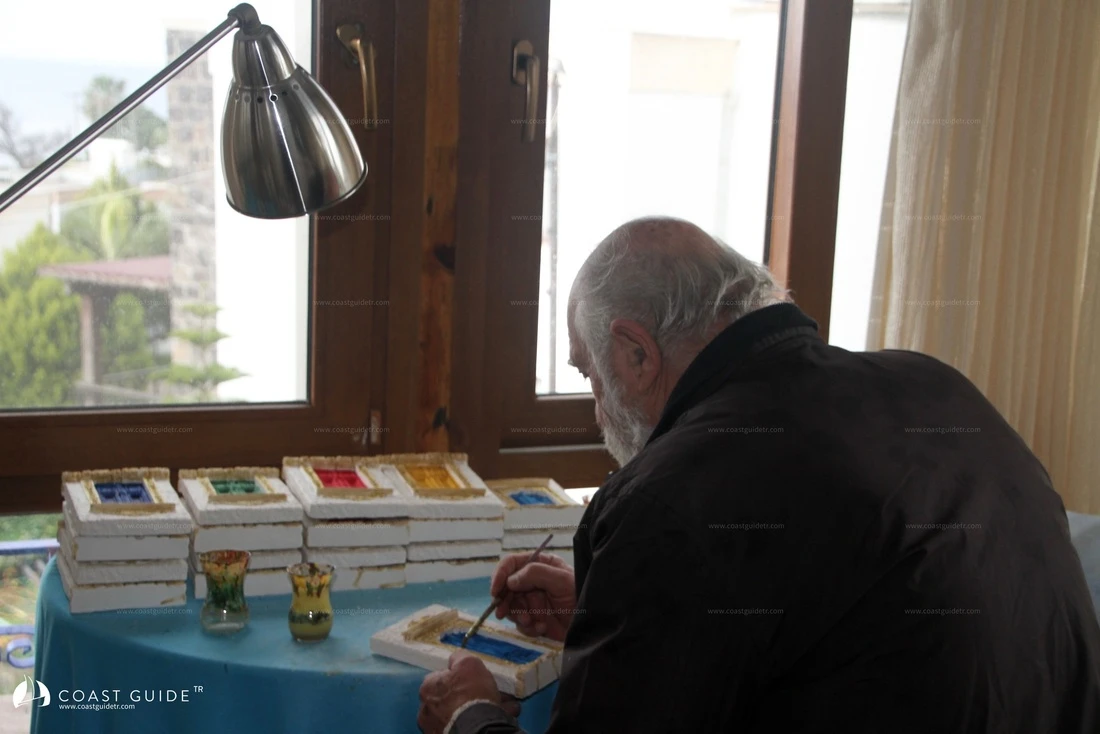
We don't realize how time passes while producing, and we're also making pocket money.
If this construction, this insensitivity didn't exist, it would be very beautiful.
In places where days don't pass without sunlight, people no longer greet each other.
Nobody knows anyone anymore.
We've been married for 50 years. We lived 25 years in Istanbul with pleasure. We lived the other 25 here, but if we had to decide today, we probably wouldn't settle in Bodrum.”
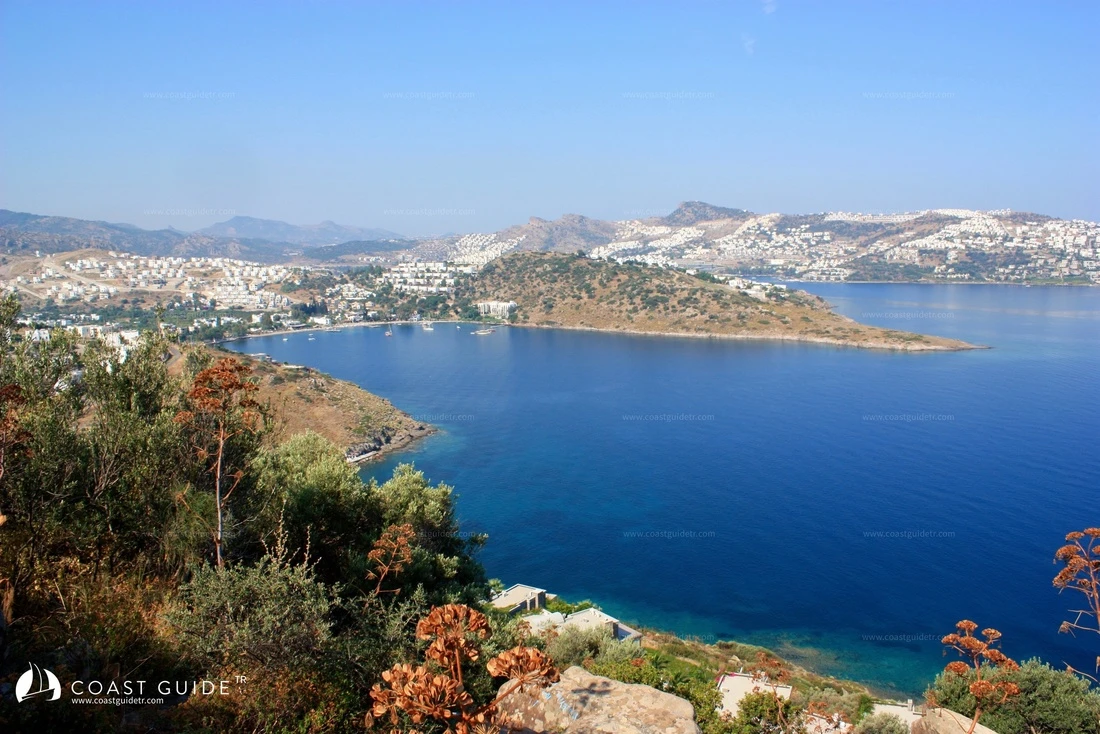
Bitter but true unfortunately, the hands that destroyed Erdek, Ayvalık, Kuşadası over time, finally left their mark on Bodrum as well.
And in such popular places, I frequently witness the crowds, high prices, and unbearable conditions of July and August during my shoots.
